

Q&A with Nantahala-Pisgah Plan Stakeholders
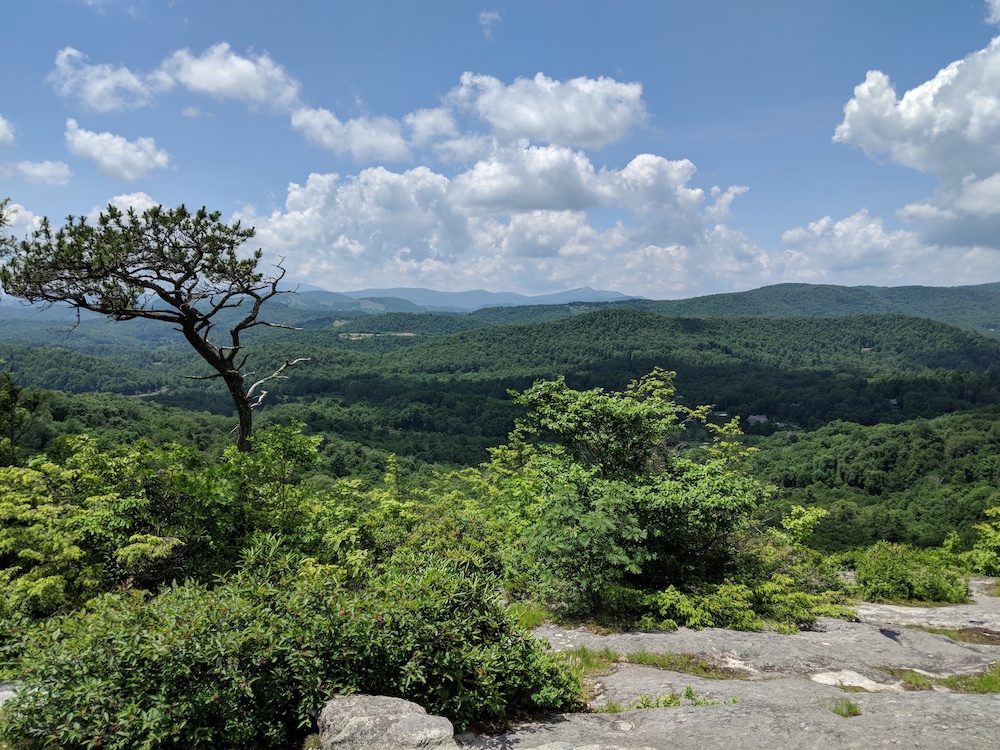
The Pisgah National Forest as seen from Flat Rock near the Blue Ridge Parkway. Photo by Kevin Ridder
The plan for Nantahala and Pisgah was last released in 1987 and amended in 1994. In 2012, the Obama Administration released an updated forest planning rule allowing the public to participate in the process like never before. The current planning process for Pisgah and Nantahala National Forest is one of the first to occur under this new rule. Since 2014, the Forest Service has held 42 public meetings and has received thousands of comments from individuals and also groups like the Nantahala-Pisgah Forest Partnership, a collaboration of conservationists, recreational users, timber industry representatives and more.
Related: Groups Aim to Reshape Nantahala-Pisgah Plan
While members of the partnership have different specific requests for the new plan, they all share a singular vision: “a thriving, resilient forest within its natural range of variation, able to support healthy ecosystems, wildlife populations, local economies and traditional uses.”
Once the Forest Service releases the draft forest plan and draft environmental impact statement this fall, there will be a 90-day public comment period and a series of public meetings. The final plan is expected to be ready by late 2019, according to Michelle Aldridge with the Forest Service’s North Carolina division.
The Appalachian Voice interviewed Aldridge, members of the Nantahala-Pisgah Forest Partnership and other forest stakeholders to see what they expect and want from the new plan. Answers have been edited where needed for clarity and length.
 Tommy Cabe – Eastern Band of Cherokee Indians

Tommy is the Tribal forest resource specialist for the Eastern Band of Cherokee Indians. He is also a Tribal member from the Bird Town Community.
Megan Sutton – The Nature Conservancy

Megan is the Southern Blue Ridge program director for The Nature Conservancy, a nonprofit environmental conservation organization.
Jim Sitts – Columbia Forest Products

Jim is the Appalachian timber manager for Columbia Forest Products, a timber company based in North Carolina.
Josh Kelly – MountainTrue

Josh is the public lands biologist for MountainTrue, a nonprofit environmental conservation organization.
Deirdre Perot – Back Country Horsemen of North Carolina
Deirdre is the national public lands representative for the Back Country Horsemen of North Carolina, a nonprofit organization that maintains horse trails. She is also co-founder of the Nantahala-Pisgah Forest Partnership.
Paul Stahlschmidt – Northwest North Carolina Mountain Bike Alliance

Paul is a board member of the Northwest North Carolina Mountain Bike Alliance, a nonprofit organization that promotes mountain biking.
John Wilson – Wilderness Advocate

John is a wilderness advocate from Avery County, N.C. His family has been in the tourism business in the North Carolina mountains for over a century.
Michelle Aldridge – U.S. Forest Service

Michelle is a forest planning staff officer for the North Carolina division of the U.S. Forest Service and is working on the Nantahala-Pisgah forest plan revision.
Related Articles
Latest News
More Stories

Halloween Approaches, and Night School Is in Session
The House of Art in Bluefield, West Virginia, looks like a haunted tower, making it the perfect location for its sixth annual haunt event: Night School. The Night School will be open every Friday and Saturday night through Oct. 31.
‘The Most Perfect Act of Love’
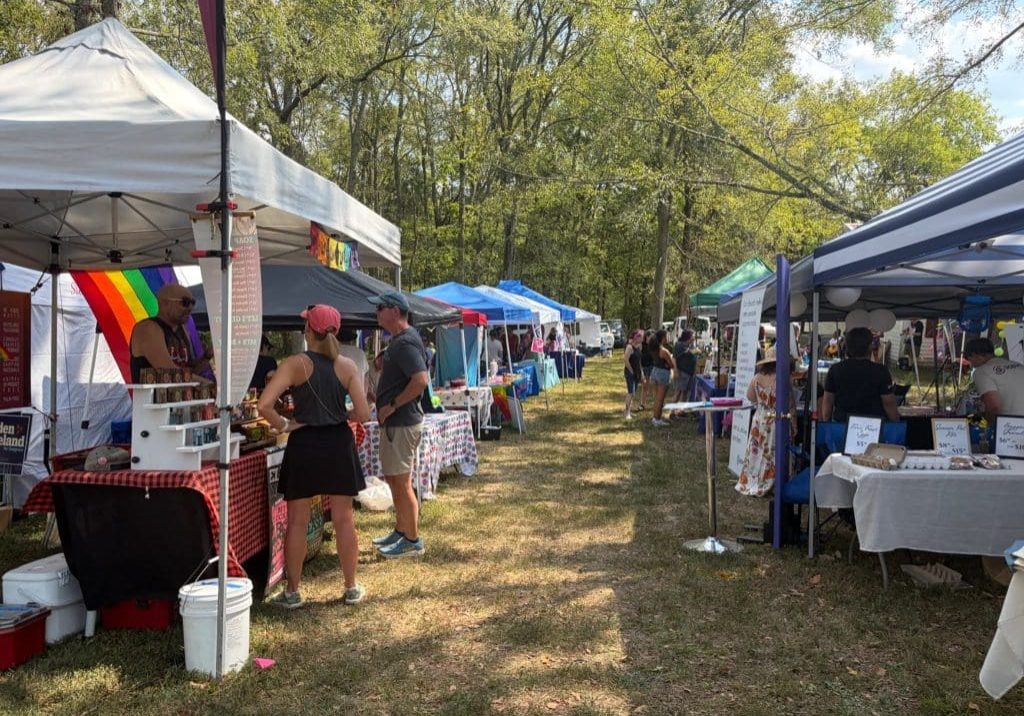
After losing its rural pride celebration, hundreds of people attended the second annual Affirming Sumner Pride celebration on a 24-acre farm dubbed “Fruity Farm” in Bethpage, Sumner County, Tennessee.

Signs of Life
In the Nantahala National Forest, a team of biologists spotted Indiana bats, an endangered species that hasn’t been seen in North Carolina for the last 11 years.
‘First Line of Defense’
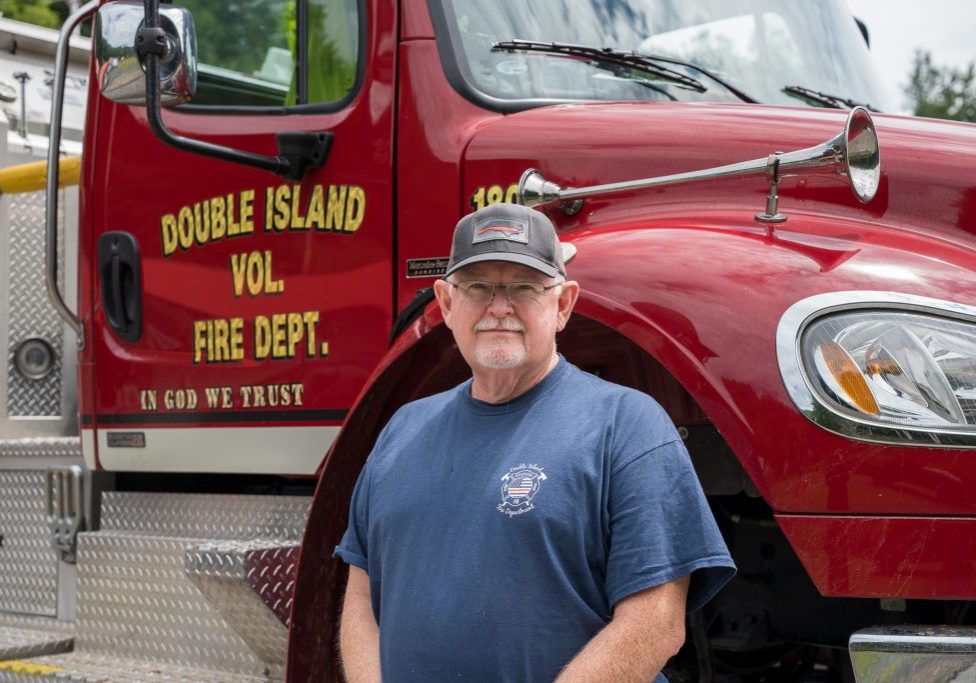
During Hurricane Helene and its aftermath, rural fire departments and other first responder hubs played critical roles in keeping their communities safe, even without power and cut off from outside support for days or weeks after the storm. Two years later, plenty of work remains to ensure these hubs have the resources they need to operate day to day and be ready when emergencies or natural disasters strike.
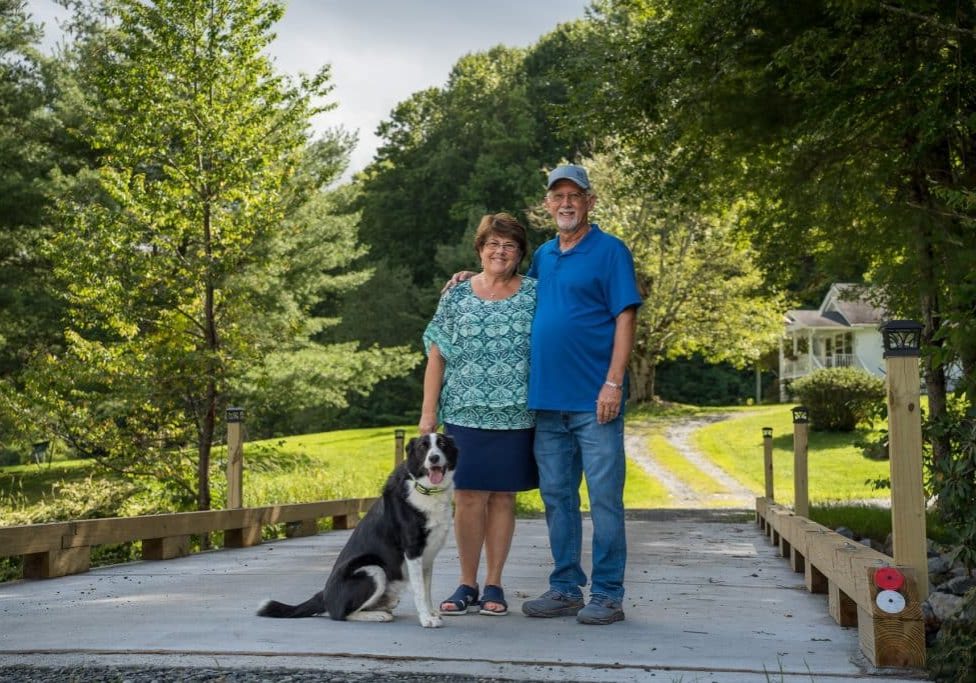
The Rocky Road — and Bridge — to Recovery
Hurricane Helene is estimated to have damaged nearly 7,000 private roads and bridges in Western North Carolina. Two years later, many restoration projects are complete, but the journey hasn’t been easy — and isn’t over for others.
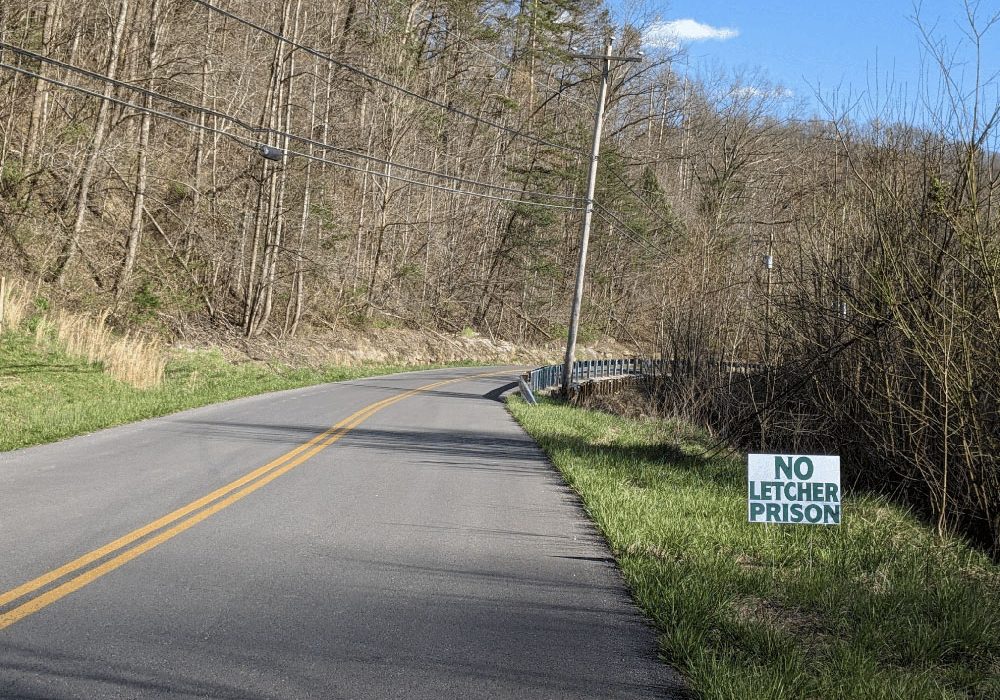
After 20 Years, Letcher County Prison Proposal Is Still Alive, Though Obstacles Remain
A $605 million proposal for a federal prison on a former strip mine site in Letcher County, Kentucky, championed by U.S. Rep. Hal Rogers, refuses to die, despite local opposition, a lack of support from the executive branch and numerous other obstacles.

Leave a comment
Your email address will not be published. Required fields are marked *
Leave a Comment