

Nantahala-Pisgah Plan Q&A: Paul Stahlschmidt
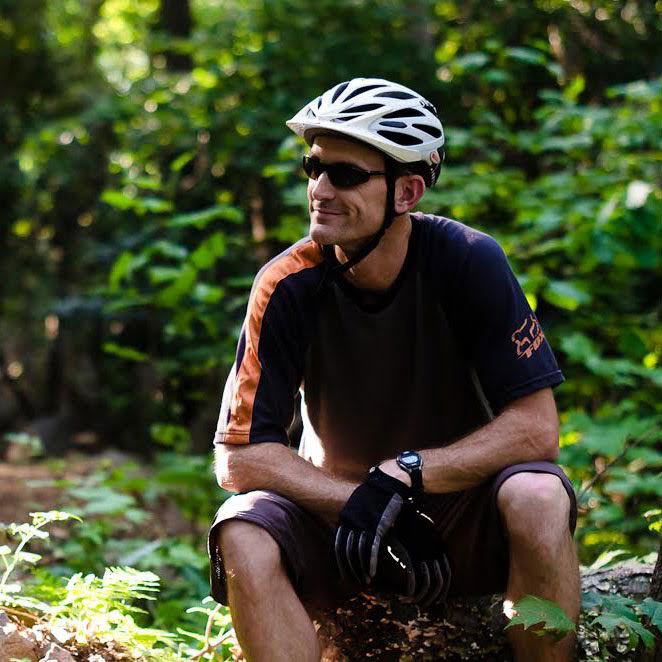
Paul Stahlschmidt. Photo by Kristian Jackson
Tell me about your relationship with the Pisgah and Nantahala National Forests. How do you use these lands?
“I’m a mountain biker, hiker, camper, trail runner, waterfall gawker, swimming hole splasher, and total nature geek.”
What makes the Nantahala and Pisgah national forests special to you?
“The forest provides something that many other public lands in WNC do not: remoteness. The vast acreage and backcountry experience that only forest lands provide means there are places that take effort (and sometimes skill) to access. I’m all about that.”
Do you have a favorite place in the Pisgah and Nantahala national forests? If so, why is it your favorite?
“There are too many to name just one, so my favorite place is the one I have not found yet.”
What elements of the forest would you like to see preserved?
“Old growth, new growth, roadless areas, historical sites, watersheds, mountain peaks, trails.”
What changes would you like to see to the plan?
“Infrastructure improvements to developed areas, including trails. More funding given to managing these areas, and more resources to deal with the large numbers who are visiting the lands. They also need to be reinforced to prepare for even more people in the future.”
Why is the forest plan revision process important?
“It is an important process because it allows for public input and participation. Partnerships get formed and understanding becomes realized at meetings and through communication between stakeholders and also the Forest Service. There are many engaged citizens and stakeholders who have participated, including me.”
What concerns do you have about the outcomes of the Pisgah and Nantahala National Forest plan?
“I feel good about the process and hopeful that the outcomes will be reflective of what people want. There has been a lot of great collaboration as part of the planning process, and many partnerships have been formed.
What advice would you give the Forest Service?
What do you want to gain from the new plan?“Firstly, I believe that mountain bikers would want to keep what they already have in terms of designated trails to ride. After that, more access. Mountain bikers are underserved in some areas, including Wilson Creek where only four trails (out of 29) allow bicycles. The Grandfather Ranger District as a whole only has 21 percent of its trails open to bikes. That is 57 miles out of 267.”
Do you feel like there should be an opportunity for new wilderness in the Pisgah and Nantahala National Forests?
“Yes, with lands that meet the criteria for wilderness, and if it is accepted by the majority of the public. In locations where other options could serve the public better, gain more support, and continue to protect the land, I support those.”
How should the interests of different outdoor recreation users, wildlife conservation, the timber industry and other industries be balanced?
“Balanced…what a great word! This plan covers ~1 million acres of national forests. There is enough space and enough resources for everyone. The law requires an inventory of lands, and this inventory represents what is out there … what is missing, what is in abundance, what needs attention, etc. After loads of public input, years of stakeholder collaboration, political support, etc, the USFS should have plenty to make decisions that represent a balance.”
Do you feel like your interests conflict with other stakeholders?
“No. Mountain bikers ARE conservationists. They go to the forest for the same reasons that hikers and hunters and equestrians, and fishermen, and others who seek nature, beauty, and solitude. There are certainly some interests that are unique to these groups, but the large majority of interests are similar. It is that, which we should all rally behind.”
Related Articles
Latest News
More Stories

Signs of Life
In the Nantahala National Forest, a team of biologists spotted Indiana bats, an endangered species that hasn’t been seen in North Carolina for the last 11 years.

‘First Line of Defense’
During Hurricane Helene and its aftermath, rural fire departments and other first responder hubs played critical roles in keeping their communities safe, even without power and cut off from outside support for days or weeks after the storm. Two years later, plenty of work remains to ensure these hubs have the resources they need to operate day to day and be ready when emergencies or natural disasters strike.

The Rocky Road — and Bridge — to Recovery
Hurricane Helene is estimated to have damaged nearly 7,000 private roads and bridges in Western North Carolina. Two years later, many restoration projects are complete, but the journey hasn’t been easy — and isn’t over for others.
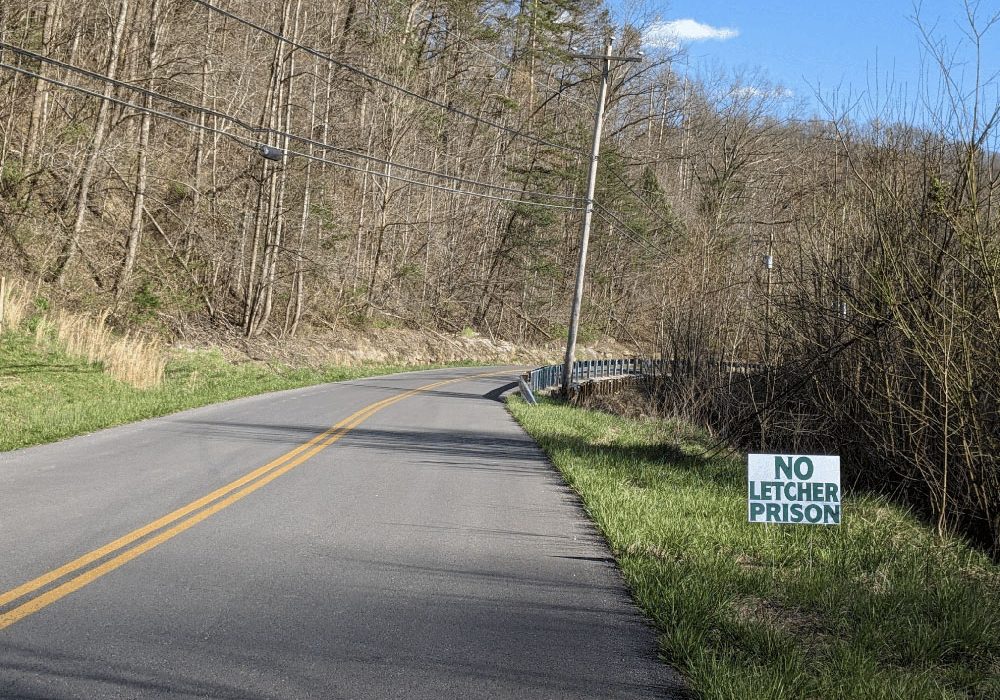
After 20 Years, Letcher County Prison Proposal Is Still Alive, Though Obstacles Remain
A $605 million proposal for a federal prison on a former strip mine site in Letcher County, Kentucky, championed by U.S. Rep. Hal Rogers, refuses to die, despite local opposition, a lack of support from the executive branch and numerous other obstacles.
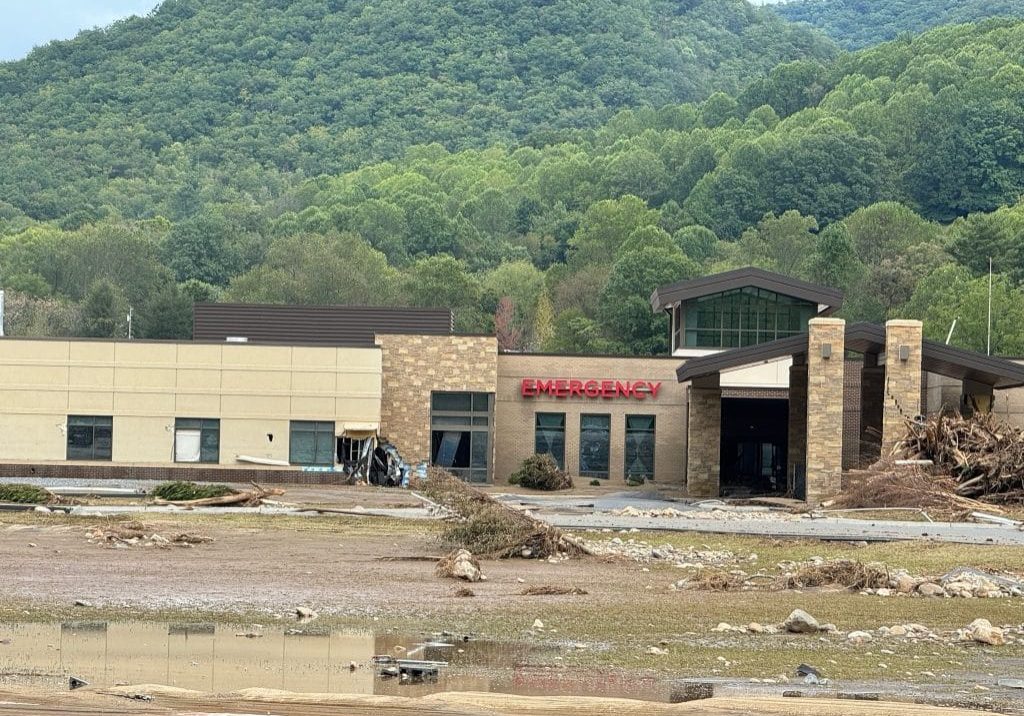
The Washout and Rebuild
For nearly two years, residents of Unicoi County, Tennessee, have had to make do without a hospital after Hurricane Helene destroyed the rural hospital. Ballad Health, which owns the hospital, broke ground on a new location — in another floodplain — in August 2026.

The Shenandoah Salamander
The Shenandoah salamander is a woodland salamander, which has adapted to life at higher elevations away from water. This sparkling rarity lives among the dry leaves, cracked logs, and stony hillocks on the highest peaks of Shenandoah National Park.

Leave a comment
Your email address will not be published. Required fields are marked *
Leave a Comment