

Hiker Overcomes Medical Condition to Complete Final Leg of AT
By Molly Moore
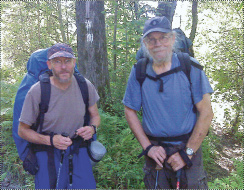
Ken Bordwell (right) and his occasional hiking companion, Joe Shelton, on the Appalachian Trail in New Hampshire. Bordwell’s advice to fellow hikers is simple. “Enjoy it!” he says. “I think everybody wants to do it a little too fast and would have more fun if they slow down a little and not expect so much of themselves. It’s hard work.” Photo by Mindy Wallace
Exploring the mountains wasn’t a part of Kenneth Bordwell’s childhood in Dayton, Ohio. His father read news clippings about Grandma Gatewood, a remarkable woman from southeast Ohio who hiked the Appalachian Trail from Georgia to Maine three times, but Bordwell didn’t step foot on the fabled path himself until his honeymoon.
During that Smoky Mountains vacation in 1965, he covered a mere 2.5 miles of the 2,200-mile trail. That was all it took to draw him back. While on a return trip several years later, he picked up a book documenting a thru-hiker’s adventure. After that, Bordwell started traversing the renowned trail in earnest, section by section.
“There’s something about the Appalachian Trail — when you get the bug you’ve got the bug,” says Bordwell, who now lives in Cincinnati. “Appalachia’s the same way. It’s lovely country, from one end to the other.”
He tackled the trail intermittently throughout the years, beginning with the southern portions. Bordwell’s favorite section is somewhere in those central and southern latitudes — he says it’s either Tennessee’s Laurel Falls, or the Mt. Rogers area of southwest Virginia. Or it could be the commonwealth’s Grayson Highlands State Park, or the Nantahala range in western North Carolina. Or maybe it’s the Smokies.
His ambitions hit a speed bump when he went to the hospital for back pain in 2008 and an X-ray of his spine incidentally uncovered a life-threatening weakness in the wall of his aorta, the body’s main artery. An estimated 1.2 million Americans have this condition, known as abdominal aortic aneurysm. If the aorta wall fails, the consequences are often fatal, particularly for men like Bordwell who are over 60.
At the time, doctors said operating would be premature and risky. Instead, they monitored his aorta every six months while Bordwell pushed onward, following the trail along the East Coast’s spine.
Three years later, his condition had developed into a bulge that was close to rupturing. He was presented with a choice: go through surgery to replace the aorta, or try a new treatment where a stent is inserted into the artery near the thigh, threaded up to the troubled area, and expanded to seal the aorta.
He went with the latter, scheduling the procedure for December so as to not interfere with peak hiking season. At that point, he was 100 miles shy of completing his goal.
Bordwell acknowledges that the ensuing days and weeks were “a little rough.” Six weeks after the stent was inserted, however, he was fit enough to resume stacking firewood.
That spring, he strapped on his backpack and returned to the landmark trail’s northern reaches. On Aug. 24, 2012, at 70 years old, Bordwell completed the Appalachian Trail.
With that goal accomplished, Bordwell is ready for a change of pace. His next adventures will also be on long-distance trails, but this time he’s taking a bicycle.
Related Articles
Latest News
More Stories

Signs of Life
In the Nantahala National Forest, a team of biologists spotted Indiana bats, an endangered species that hasn’t been seen in North Carolina for the last 11 years.

‘First Line of Defense’
During Hurricane Helene and its aftermath, rural fire departments and other first responder hubs played critical roles in keeping their communities safe, even without power and cut off from outside support for days or weeks after the storm. Two years later, plenty of work remains to ensure these hubs have the resources they need to operate day to day and be ready when emergencies or natural disasters strike.

The Rocky Road — and Bridge — to Recovery
Hurricane Helene is estimated to have damaged nearly 7,000 private roads and bridges in Western North Carolina. Two years later, many restoration projects are complete, but the journey hasn’t been easy — and isn’t over for others.
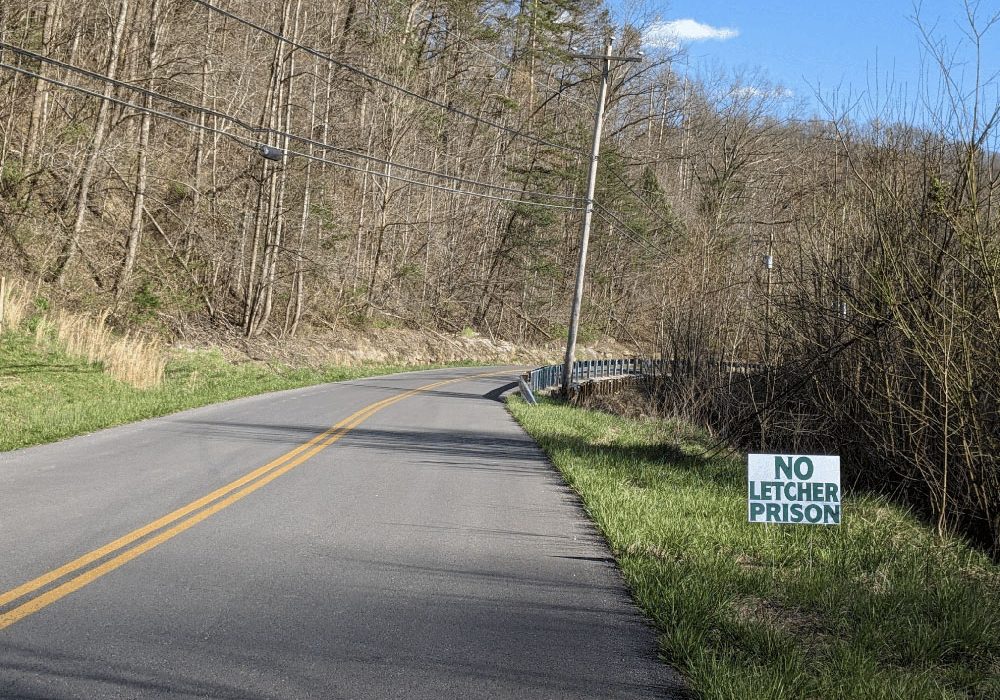
After 20 Years, Letcher County Prison Proposal Is Still Alive, Though Obstacles Remain
A $605 million proposal for a federal prison on a former strip mine site in Letcher County, Kentucky, championed by U.S. Rep. Hal Rogers, refuses to die, despite local opposition, a lack of support from the executive branch and numerous other obstacles.
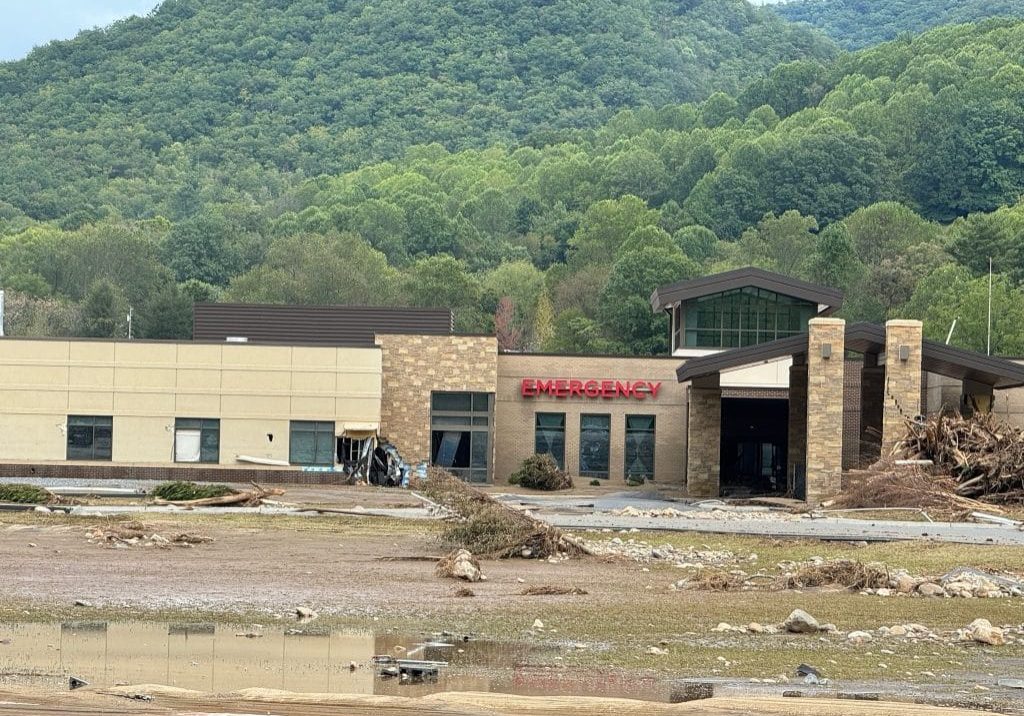
The Washout and Rebuild
For nearly two years, residents of Unicoi County, Tennessee, have had to make do without a hospital after Hurricane Helene destroyed the rural hospital. Ballad Health, which owns the hospital, broke ground on a new location — in another floodplain — in August 2026.
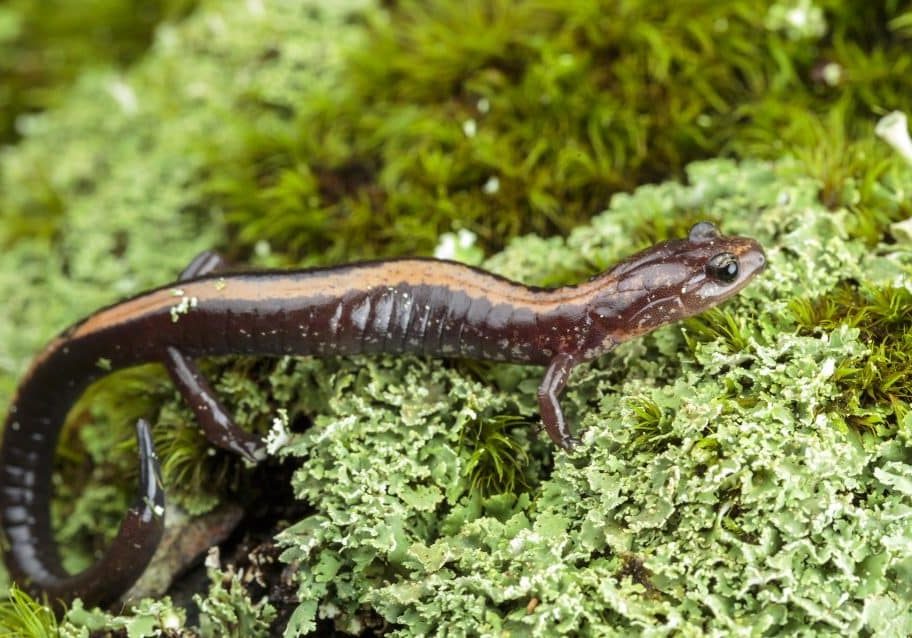
The Shenandoah Salamander
The Shenandoah salamander is a woodland salamander, which has adapted to life at higher elevations away from water. This sparkling rarity lives among the dry leaves, cracked logs, and stony hillocks on the highest peaks of Shenandoah National Park.

Leave a comment
Your email address will not be published. Required fields are marked *
Leave a Comment