

Western North Carolina Groups Seek Solutions to Human-Bear Interactions
By Jack Singletary
More than 60 percent of shelters on the Appalachian Trail in the Great Smoky Mountains National Park encounter some type of human and bear contact each year, according to park preservation organization Friends of the Smokies. To help reduce this, the Appalachian Trail Conservancy, a group working to protect the national hiking path, awarded Friends of the Smokies a $4,000 grant in October 2019.
The grant was funded by annual proceeds from the Appalachian Trail Conservancy’s specialty license plate sales, and will fund seasonal staff and two wildlife interns to repair food storage cables at the park’s campsites and shelters along the Appalachian Trail.
There are an estimated 1,500 black bears in the Great Smoky Mountains National Park, according to the National Park Service. Black bears are attracted to the smell of human food, but storage cables suspended from trees and telephone poles at backcountry campsites and shelters can help keep campers’ food out of the reach of bears.
Human-bear conflicts also arise in cities like Asheville, N.C., where the ongoing Asheville Urban/Suburban Bear Study is examining bear activity in the city and surrounding suburbs.
Phase one of the study was conducted from April 2014 to August 2018 and involved capturing 245 bears on private property with the permission of landowners and outfitting the bears with radio collars.
Researchers are continuing to collect data from the radio collars in the next phase of the study, which began in April 2019. But now, the study is also focused on the human side of the equation and is helping neighborhoods become “BearWise Certified” to help people live safely near bears. BearWise Certified neighborhoods follow the six BearWise principles found at bearwise.org and feature an ambassador who serves as a contact between the neighborhood and the North Carolina Wildlife Resources Commission.
Wildlife experts warn that even though black bears may appear to be more comfortable with humans in some areas, people should always treat them with caution and respect.
BearWise Principles:
- Never feed or approach bears
- Secure food, garbage and recycling
- Remove bird feeders when bears are active
- Never leave pet food outdoors
- Clean and store grills
- Alert neighbors to bear activity
Related Articles
Latest News
More Stories
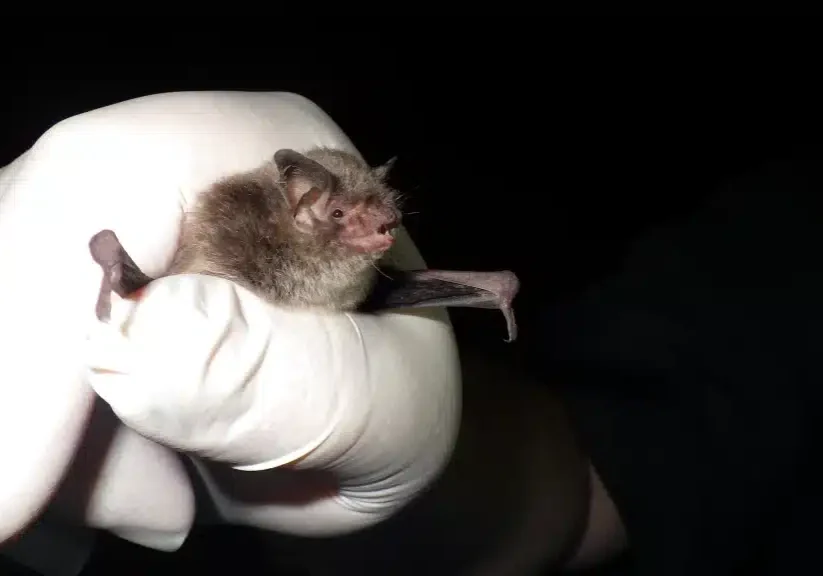
Signs of Life
In the Nantahala National Forest, a team of biologists spotted Indiana bats, an endangered species that hasn’t been seen in North Carolina for the last 11 years.

‘First Line of Defense’
During Hurricane Helene and its aftermath, rural fire departments and other first responder hubs played critical roles in keeping their communities safe, even without power and cut off from outside support for days or weeks after the storm. Two years later, plenty of work remains to ensure these hubs have the resources they need to operate day to day and be ready when emergencies or natural disasters strike.

The Rocky Road — and Bridge — to Recovery
Hurricane Helene is estimated to have damaged nearly 7,000 private roads and bridges in Western North Carolina. Two years later, many restoration projects are complete, but the journey hasn’t been easy — and isn’t over for others.
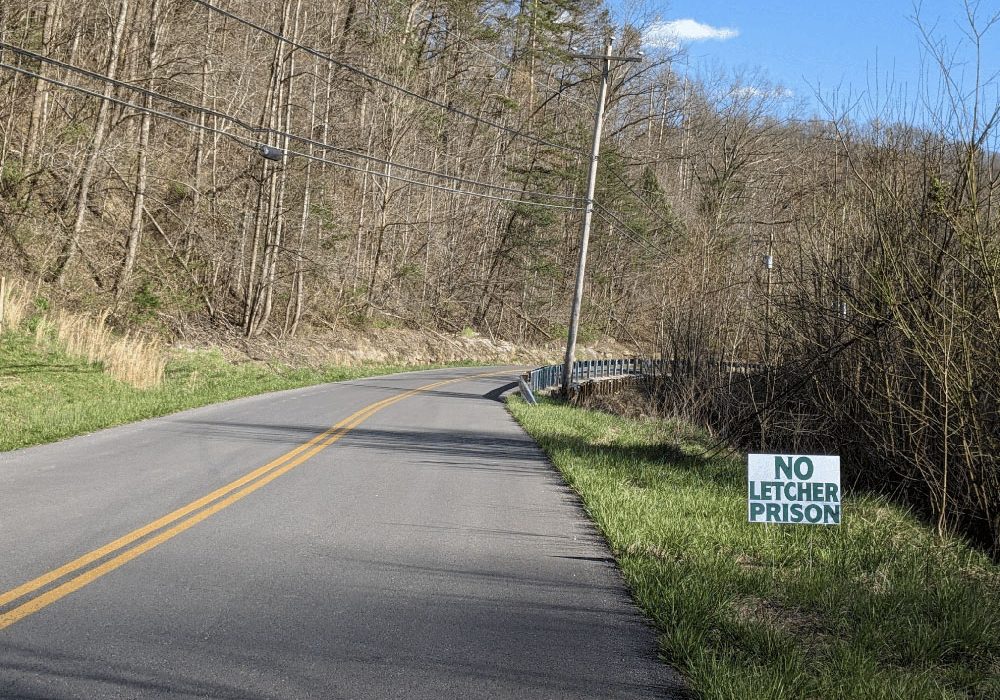
After 20 Years, Letcher County Prison Proposal Is Still Alive, Though Obstacles Remain
A $605 million proposal for a federal prison on a former strip mine site in Letcher County, Kentucky, championed by U.S. Rep. Hal Rogers, refuses to die, despite local opposition, a lack of support from the executive branch and numerous other obstacles.
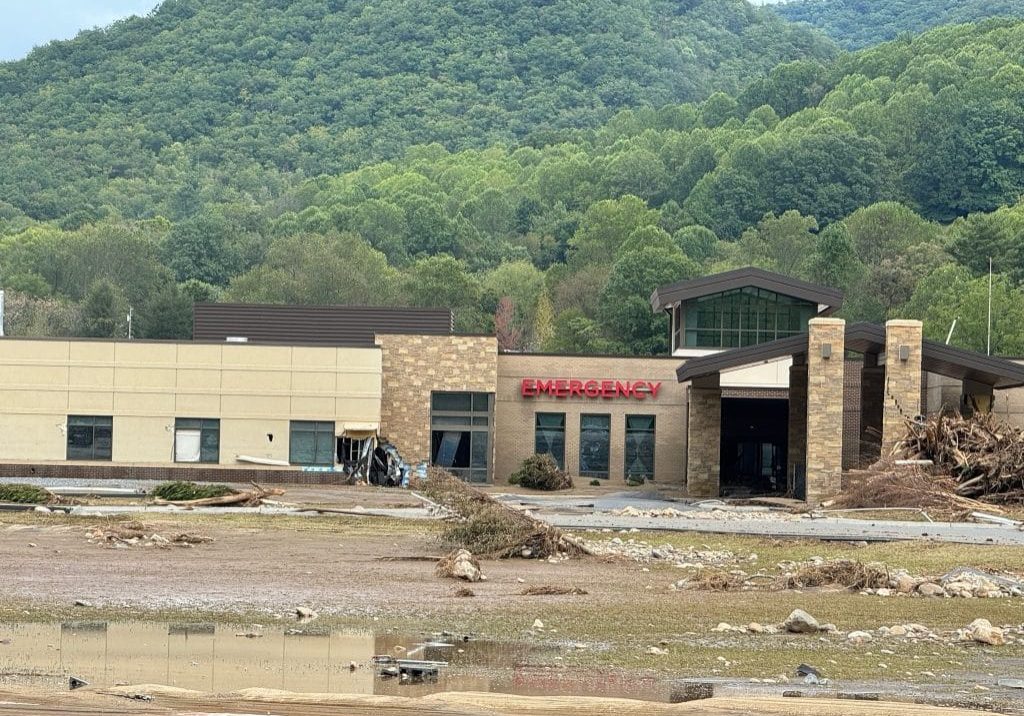
The Washout and Rebuild
For nearly two years, residents of Unicoi County, Tennessee, have had to make do without a hospital after Hurricane Helene destroyed the rural hospital. Ballad Health, which owns the hospital, broke ground on a new location — in another floodplain — in August 2026.
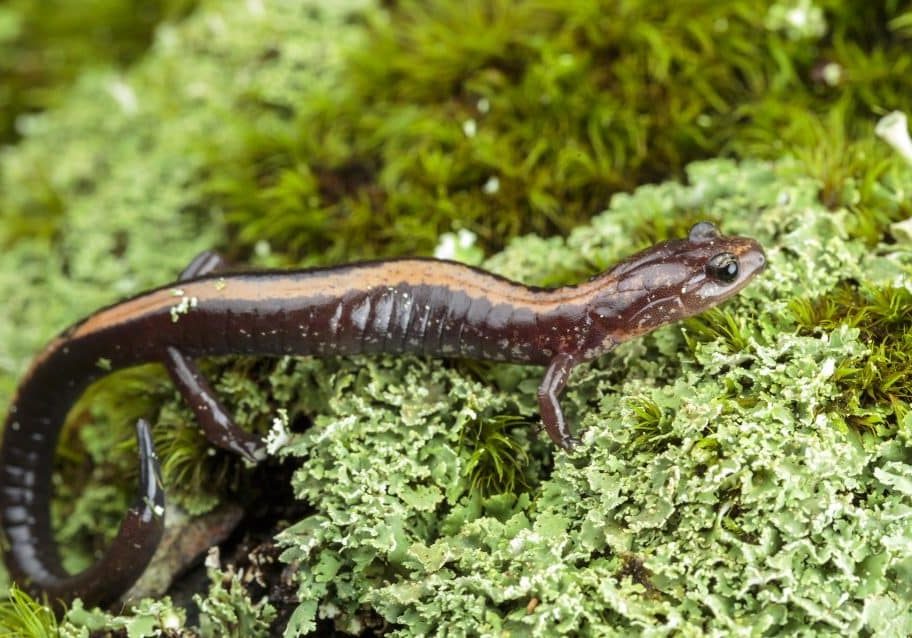
The Shenandoah Salamander
The Shenandoah salamander is a woodland salamander, which has adapted to life at higher elevations away from water. This sparkling rarity lives among the dry leaves, cracked logs, and stony hillocks on the highest peaks of Shenandoah National Park.

Leave a comment
Your email address will not be published. Required fields are marked *
Leave a Comment