

Hidden Treasures #3 – West Virginia
Welcome to the third installment of our exploration of some of the most beautiful, off-the-beaten-path places in the Central and Southern Appalachian Mountains. In this issue, we hand picked some water-related hot spots perfect for late summer days: hikes, waterfalls, swimming holes and everything in between — areas that are perfect for dipping your toes, or your whole self, into the water.
Smoke Hole Canyon
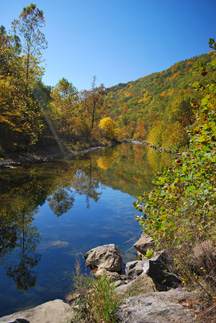
Photo Jim Hopkins
Tucked away in the Monongahela National Forest, Smoke Hole Canyon is unlike any place you’ve ever visited. The South Branch of the Potomac River is sandwiched between North Mountain and Cave Mountain, creating a half-mile deep canyon with nearly vertical walls.
No one is certain where Smoke Hole got its name. Some say that Native Americans used the canyon for smoking meat, while others assume the name comes from the misty fog that frequently lies on the river. Smoke Hole Canyon’s long and varied history involves Native Americans, the American Revolution, Civil War and rumors of moonshine distilleries.
Boaters might argue that the best way to experience this astonishing place is to paddle the river. Kayaking and whitewater canoeing provide the best options to see sections that are set aside for non-motorized recreation and wildlife habitat. The Big Bend Campground is located nearby, where the stream is gentler and more popular for tubers and less experienced paddlers.
For those able to make the journey, however, Smoke Hole Canyon is a must-see. Whether you prefer fishing, hunting, hiking, canoeing or camping, Smoke Hole has it all. — By Anna Norwood
More Info: Located in the Monongahela National Forest. Visit: fs.usda.gov/ website
Cranberry River
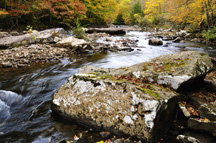
Photo by Thomas R. Fletcher
The Cranberry River stretches for 24 miles through Pocahontas, Greenbrier, Webster and Nicholas counties. The waters of this river were poisoned a few short decades ago due to acid rain, which killed the native and self-sustaining trout and many other forms of local aquatic life. Despite the serious acid rain damage, Cranberry River was brought back to health thanks to the West Virginia Department of Natural Resources, Trout Unlimited and the building of two crushed-lime treatment sites.
An 18.9-mile trail follows the banks of the Cranberry River, and striking leaf displays and cool temperatures make for a perfect backpacking trip in autumn. Today, Cranberry River ranks as a top fishery, surrounded by serene and elegant forest. This river is a great location for trout fishing, hiking, swimming and camping, and it reminds us that there is hope for unhealthy streams and rivers. — By Anna Norwood
More Info: Located in Pocahontas County. Visit: troutu.com/streams/cranberry_river_west_virginia
Related Articles
Latest News
More Stories

Halloween Approaches, and Night School Is in Session
The House of Art in Bluefield, West Virginia, looks like a haunted tower, making it the perfect location for its sixth annual haunt event: Night School. The Night School will be open every Friday and Saturday night through Oct. 31.
‘The Most Perfect Act of Love’
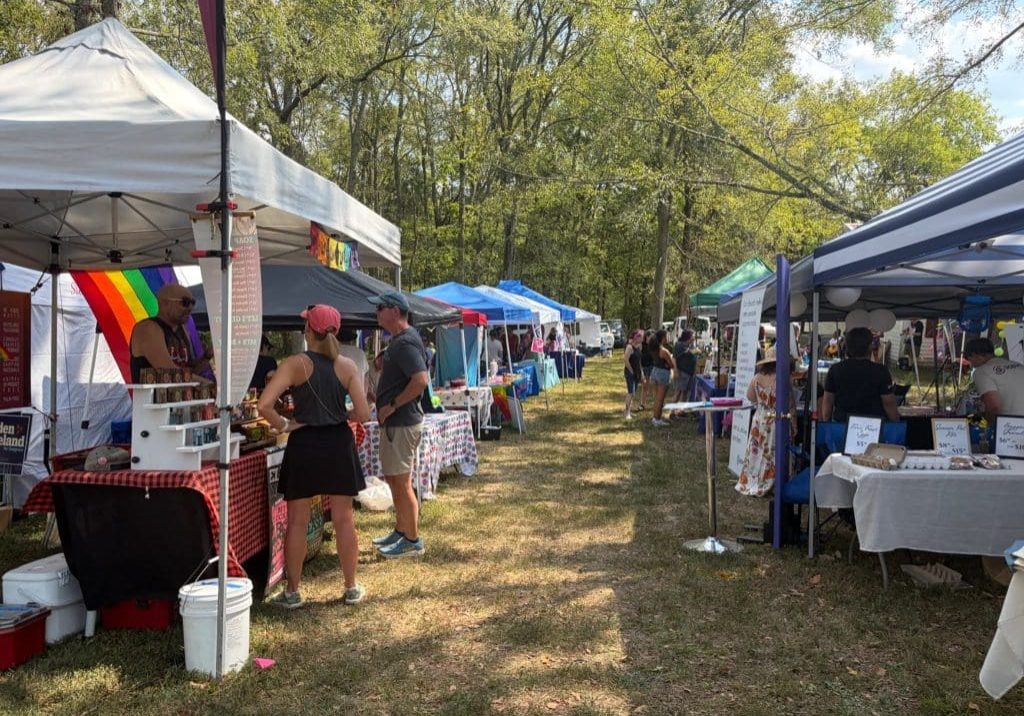
After losing its rural pride celebration, hundreds of people attended the second annual Affirming Sumner Pride celebration on a 24-acre farm dubbed “Fruity Farm” in Bethpage, Sumner County, Tennessee.

Signs of Life
In the Nantahala National Forest, a team of biologists spotted Indiana bats, an endangered species that hasn’t been seen in North Carolina for the last 11 years.

‘First Line of Defense’
During Hurricane Helene and its aftermath, rural fire departments and other first responder hubs played critical roles in keeping their communities safe, even without power and cut off from outside support for days or weeks after the storm. Two years later, plenty of work remains to ensure these hubs have the resources they need to operate day to day and be ready when emergencies or natural disasters strike.

The Rocky Road — and Bridge — to Recovery
Hurricane Helene is estimated to have damaged nearly 7,000 private roads and bridges in Western North Carolina. Two years later, many restoration projects are complete, but the journey hasn’t been easy — and isn’t over for others.
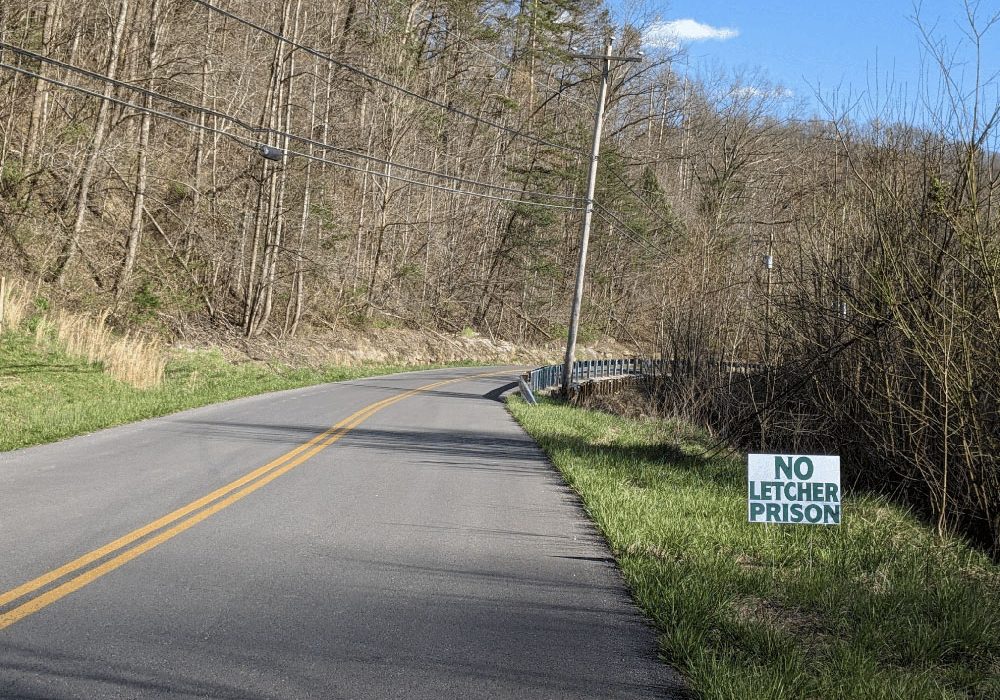
After 20 Years, Letcher County Prison Proposal Is Still Alive, Though Obstacles Remain
A $605 million proposal for a federal prison on a former strip mine site in Letcher County, Kentucky, championed by U.S. Rep. Hal Rogers, refuses to die, despite local opposition, a lack of support from the executive branch and numerous other obstacles.

Leave a comment
Your email address will not be published. Required fields are marked *
Leave a Comment