
It’s Not My Mountain Anymore Review
Barbara Taylor Woodall, a distinguished writer and Appalachian native, tells the gripping — and sometimes humorous — story of her life growing up in the heart of the Georgia Appalachians in “It’s Not My Mountain Anymore.”
Woodall was born in 1954 and raised in a family that maintained a very traditional Appalachian farm life. From producing their own milk, to community hog-butchering days, their only way of life was to live off the land. While tending to the farm and family came first, Woodall’s father made sure that education fell into a close second.
School was never a thing of interest for Woodall. During her early education she often got the switch from her teachers, but she finally discovered a passion for school and writing when she met a passionate english teacher named Wig who inspired his class of 1966 to create what is known today as The Foxfire Magazine. It contained stories and interviews from elders that Woodall and her classmates gathered. These students shared a passion for the heritage of the Appalachian Mountains and the land they were raised on.
With time comes change, and Woodall saw firsthand how the green and fertile mountains she and her family once knew saw things of change like highways, and traffic, and shopping centers. Her book resembles old folk storytelling, and like all story tellers, Woodall maintains a distinguished voice. Her once proud and joyful tone takes a solemn turn as she realizes the mountains are no longer what they used to be. The mountains aren’t hers anymore, “inevitable changes both to the landscape and its inhabitants clash dramatically with cherished memories of a passing era.”
Although Woodall explains the grave situation of what the mountains are becoming, the book does not end on a sad note. Her hope and faithful attitude is instilled in the reader and bring more awareness to Appalachia. What one man does to the mountains affects his children and his children’s children. Her only wish is that generations in the future can enjoy the cool crisp mountain streams and the winding trails which she spent most of her childhood exploring.
Related Articles
Latest News
More Stories

Halloween Approaches, and Night School Is in Session
The House of Art in Bluefield, West Virginia, looks like a haunted tower, making it the perfect location for its sixth annual haunt event: Night School. The Night School will be open every Friday and Saturday night through Oct. 31.
‘The Most Perfect Act of Love’
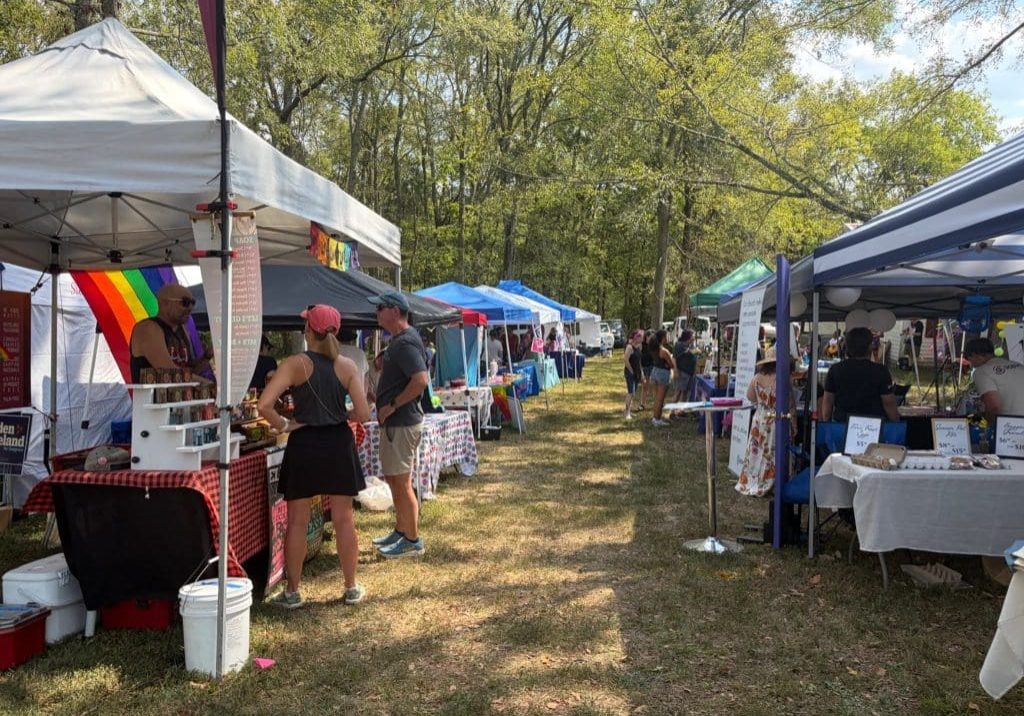
After losing its rural pride celebration, hundreds of people attended the second annual Affirming Sumner Pride celebration on a 24-acre farm dubbed “Fruity Farm” in Bethpage, Sumner County, Tennessee.
Signs of Life
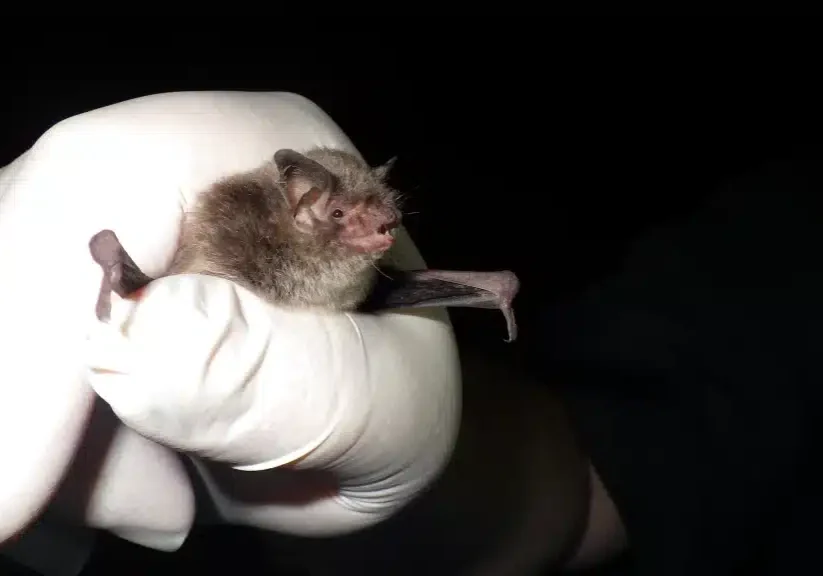
In the Nantahala National Forest, a team of biologists spotted Indiana bats, an endangered species that hasn’t been seen in North Carolina for the last 11 years.

‘First Line of Defense’
During Hurricane Helene and its aftermath, rural fire departments and other first responder hubs played critical roles in keeping their communities safe, even without power and cut off from outside support for days or weeks after the storm. Two years later, plenty of work remains to ensure these hubs have the resources they need to operate day to day and be ready when emergencies or natural disasters strike.

The Rocky Road — and Bridge — to Recovery
Hurricane Helene is estimated to have damaged nearly 7,000 private roads and bridges in Western North Carolina. Two years later, many restoration projects are complete, but the journey hasn’t been easy — and isn’t over for others.
After 20 Years, Letcher County Prison Proposal Is Still Alive, Though Obstacles Remain
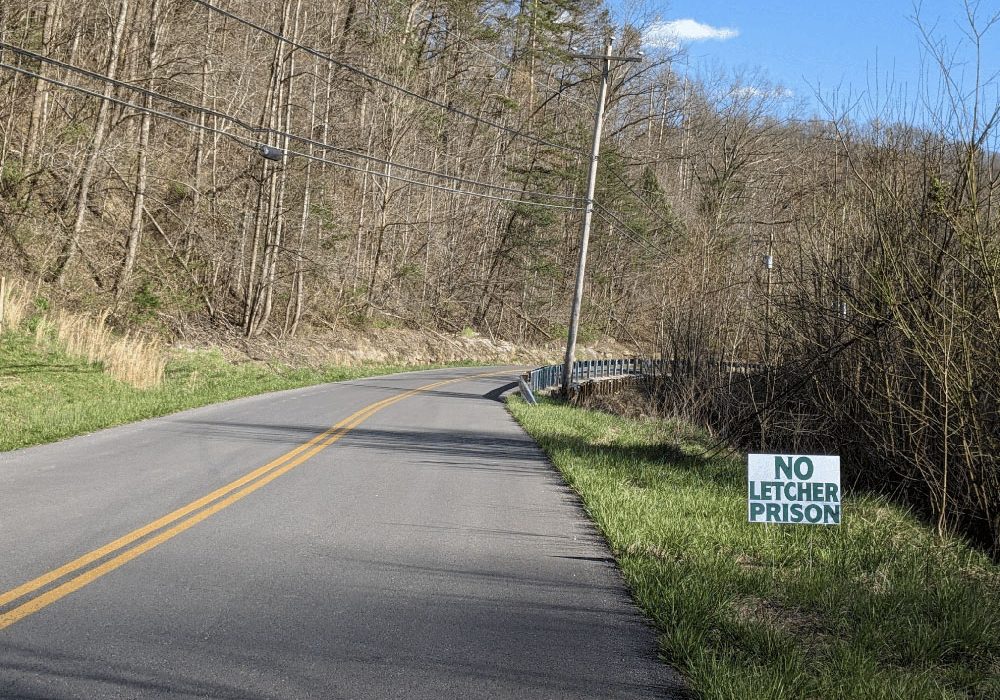
A $605 million proposal for a federal prison on a former strip mine site in Letcher County, Kentucky, championed by U.S. Rep. Hal Rogers, refuses to die, despite local opposition, a lack of support from the executive branch and numerous other obstacles.

Leave a comment
Your email address will not be published. Required fields are marked *
Leave a Comment