

The past year has brought turmoil and uncertainty to the Tennessee Valley Authority, the nation’s largest public power provider, and its more than 10 million customers across the Tennessee Valley.
In 2025, President Donald Trump fired three members of TVA’s board of directors, leaving the governing body without the minimum number required to vote and make key decisions — only three of nine positions were filled.
In December 2025, the Senate confirmed four new members — nominated by the president — who were sworn into office in early 2026, bringing the board to quorum. The new board used its first meeting to scrap longstanding plans to retire TVA’s Kingston and Cumberland coal plants. The same month, the board’s chair, Bill Renick, resigned.
Meanwhile, the renomination of controversial political megadonor Lee Beaman to the board hangs in the balance. The president proposed privatizing TVA in his first term, and some advocates are concerned that Beaman would go along with any push to sell TVA’s publicly owned assets to private corporations.
“Communities in the Tennessee Valley have been paying for these assets over generations through our electric bills,” wrote Bri Knisley, director of public power campaigns at Appalachian Voices, in The Tennessean. “TVA belongs to and should be guided by us — not private shareholders or the politicians they fund.”
The president also pressured the TVA board to fire the utility’s relatively new CEO, Don Moul. Trump even declared during a White House event that he would “make [Moul’s] life miserable.” In March, a presidential memorandum demanded that the utility cap employees’ salaries at $500,000. Moul earned $5.7 million in 2025. Soon after, Moul announced his retirement. In April, the TVA board selected Mike Skaggs as interim president and CEO. Skaggs spent more than 20 years in leadership roles at the utility before his 2022 retirement.
TVA also revised its National Environmental Policy Act procedures to reduce and sometimes eliminate public involvement on its proposed projects.
All of this chaos has left TVA’s Integrated Resource Plan up in the air. In 2025, the reduced board could not vote on the draft IRP, a long-term plan for the utility’s power generation that will shape the region’s energy future for the next 25 years. The board is set to vote on a new 2026 draft energy plan without a formal public comment period.
Related Articles
Latest News
More Stories

Halloween Approaches, and Night School Is in Session
The House of Art in Bluefield, West Virginia, looks like a haunted tower, making it the perfect location for its sixth annual haunt event: Night School. The Night School will be open every Friday and Saturday night through Oct. 31.

‘The Most Perfect Act of Love’
After losing its rural pride celebration, hundreds of people attended the second annual Affirming Sumner Pride celebration on a 24-acre farm dubbed “Fruity Farm” in Bethpage, Sumner County, Tennessee.

Signs of Life
In the Nantahala National Forest, a team of biologists spotted Indiana bats, an endangered species that hasn’t been seen in North Carolina for the last 11 years.

‘First Line of Defense’
During Hurricane Helene and its aftermath, rural fire departments and other first responder hubs played critical roles in keeping their communities safe, even without power and cut off from outside support for days or weeks after the storm. Two years later, plenty of work remains to ensure these hubs have the resources they need to operate day to day and be ready when emergencies or natural disasters strike.

The Rocky Road — and Bridge — to Recovery
Hurricane Helene is estimated to have damaged nearly 7,000 private roads and bridges in Western North Carolina. Two years later, many restoration projects are complete, but the journey hasn’t been easy — and isn’t over for others.
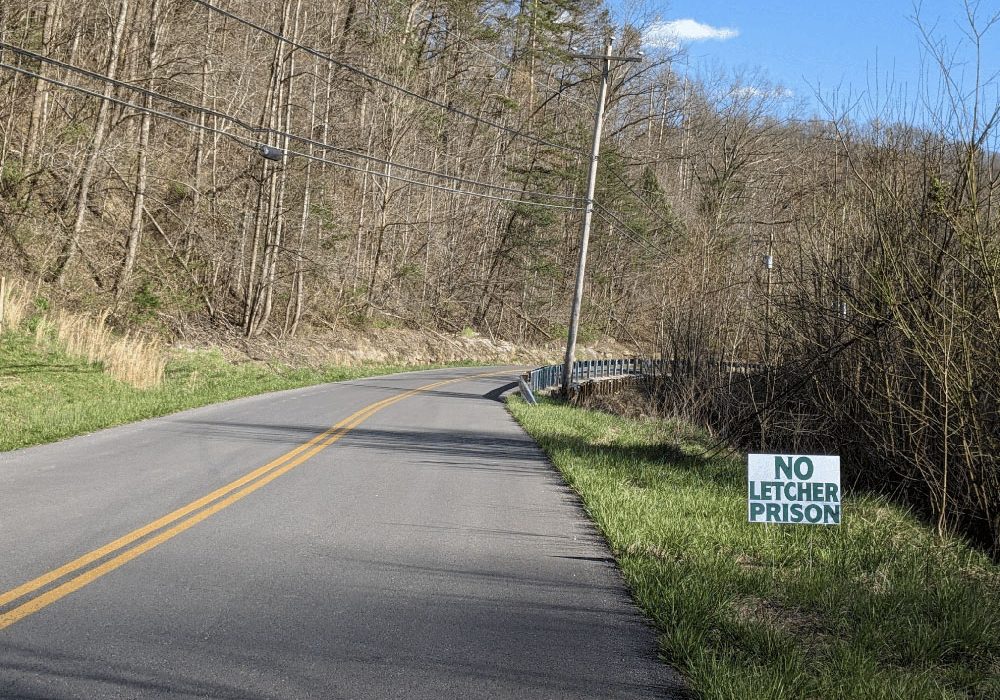
After 20 Years, Letcher County Prison Proposal Is Still Alive, Though Obstacles Remain
A $605 million proposal for a federal prison on a former strip mine site in Letcher County, Kentucky, championed by U.S. Rep. Hal Rogers, refuses to die, despite local opposition, a lack of support from the executive branch and numerous other obstacles.

Leave a comment
Your email address will not be published. Required fields are marked *
Leave a Comment