


The U.S. Environmental Protection Agency is planning to eviscerate important, hard-won regulations on coal ash, a toxic waste left after burning coal for energy. The agency aims to dismantle key provisions of the 2015 and 2024 coal combustion residuals rules, which were the first federal regulations on coal ash cleanup and storage.
The first rule was created in 2015 after two major coal ash spills occurred, including the 2008 disaster at the Tennessee Valley Authority’s Kingston Fossil Plant. Years later, the 2024 legacy coal ash rule brought even more coal ash dumps under federal regulation nationwide. The EPA’s latest proposal would exempt hundreds of coal ash dumps from regulation and delay the closure of many others, among other changes.
Coal ash contains a dangerous mix of cancer-causing chemicals, neurotoxins and other pollutants. Utilities stored coal ash in unlined landfills and pits for decades with no oversight until the 2015 coal ash rule passed. As a result, toxins leaked into nearby groundwater, polluting drinking water and recreational waterways — a problem that persists today.
TVA has also scrapped plans to retire two of its old and costly coal plants, including its Kingston plant, the site of the largest industrial spill in U.S. history, which means more coal ash will be produced at that site.
“What in the world are they thinking?” says Jessica Waller-Downs, daughter of a late 2008 Kingston coal ash spill cleanup worker. “Did they not learn from last time?”
Alongside hundreds of other workers, Waller-Downs’ father, Ernest Hickman, spent over six years cleaning up 1.1 billion gallons of coal ash. He stood waist-deep in the ash, breathing it in and bringing it home on his clothes that his wife, Patsy, would wash. Neither TVA nor its primary cleanup contractor, Jacobs Engineering, provided personal protective equipment.
“They were told it was safe,” Waller-Downs says. “Whenever I replay things like that in my head, I’m like, I couldn’t believe you guys just lied to them.”
She shares that the contractor told workers they would be fired if they were caught wearing masks — so they didn’t.
“The men and women were making good money,” she says. “They trusted [TVA and its contractors], and [TVA] failed them.”
Years later, her parents’ health began to deteriorate. In late 2015, she quit her job to stay home with her mom so her dad could work to keep his health insurance. Within a few months, her dad started having strokes, mimicking some of her mom’s symptoms.
“They got to where they couldn’t walk,” she says. “They could barely even use their hands. At that point, they had gotten to where they couldn’t speak.”
Her father passed away on Dec. 4, 2016. Her mother died on Sept. 19, 2018. They were 55 and 57 years old.
“I didn’t get to hear my mama’s voice before she passed; I didn’t get to hear my dad’s voice when he passed,” she says.
On tough days, she cheers herself up by thinking about the funny things her dad used to do or say. He was the goofball of the family. She says her mom had a “heart of gold” and was never without a smile, even when she got sick.
“I will continue advocating for my parents,” she says. “I will advocate for the other Kingston coal ash workers that don’t have a voice that needs somebody to advocate for them. I’m not going anywhere. I’ll be here from now until I guess the good Lord calls me home.”
Groups such as Earthjustice, Appalachian Voices, the publisher of this newspaper, and other advocates are opposing the EPA’s proposed coal ash protection rollbacks by encouraging the public to submit comments. Legal challenges to the rule are also expected.
Learn more and get involved at appvoices.org/coal-ash-2026.
Related Articles
Latest News
More Stories

Halloween Approaches, and Night School Is in Session
The House of Art in Bluefield, West Virginia, looks like a haunted tower, making it the perfect location for its sixth annual haunt event: Night School. The Night School will be open every Friday and Saturday night through Oct. 31.

‘The Most Perfect Act of Love’
After losing its rural pride celebration, hundreds of people attended the second annual Affirming Sumner Pride celebration on a 24-acre farm dubbed “Fruity Farm” in Bethpage, Sumner County, Tennessee.

Signs of Life
In the Nantahala National Forest, a team of biologists spotted Indiana bats, an endangered species that hasn’t been seen in North Carolina for the last 11 years.

‘First Line of Defense’
During Hurricane Helene and its aftermath, rural fire departments and other first responder hubs played critical roles in keeping their communities safe, even without power and cut off from outside support for days or weeks after the storm. Two years later, plenty of work remains to ensure these hubs have the resources they need to operate day to day and be ready when emergencies or natural disasters strike.
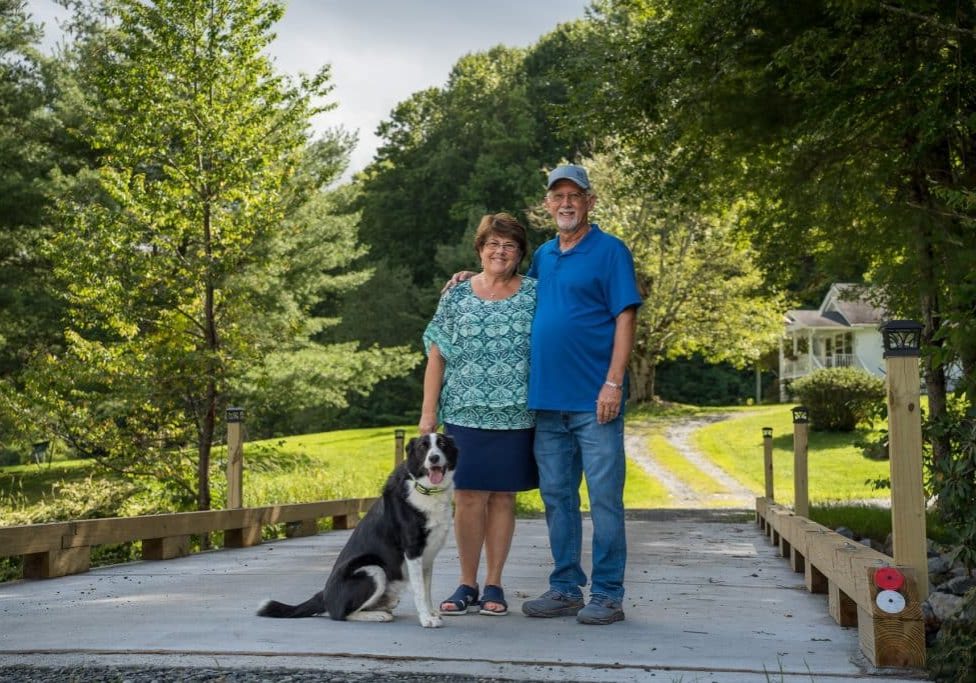
The Rocky Road — and Bridge — to Recovery
Hurricane Helene is estimated to have damaged nearly 7,000 private roads and bridges in Western North Carolina. Two years later, many restoration projects are complete, but the journey hasn’t been easy — and isn’t over for others.
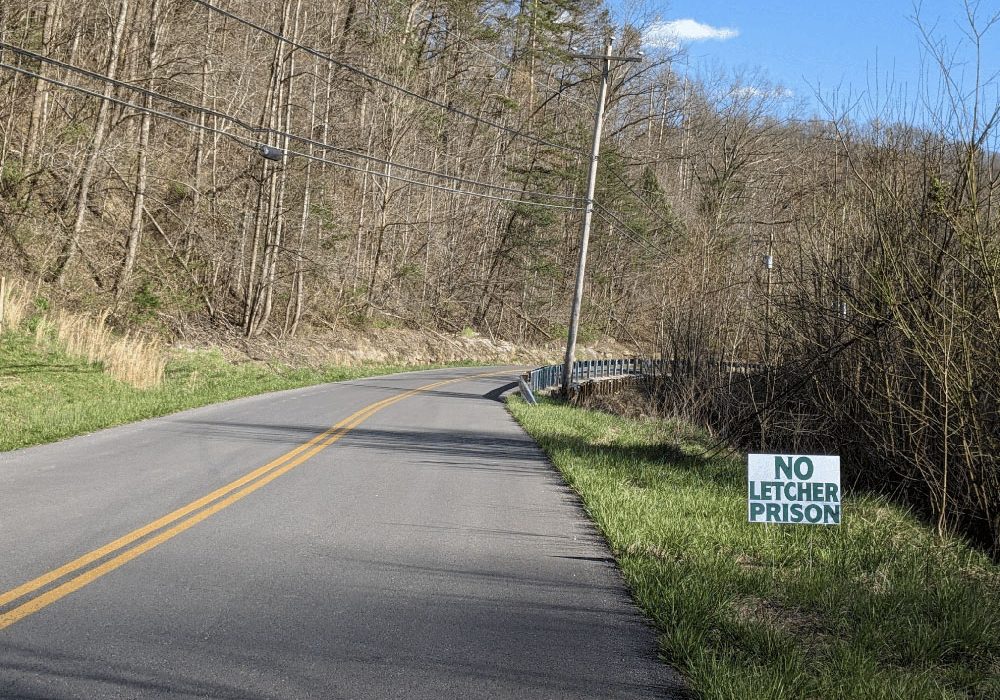
After 20 Years, Letcher County Prison Proposal Is Still Alive, Though Obstacles Remain
A $605 million proposal for a federal prison on a former strip mine site in Letcher County, Kentucky, championed by U.S. Rep. Hal Rogers, refuses to die, despite local opposition, a lack of support from the executive branch and numerous other obstacles.

Leave a comment
Your email address will not be published. Required fields are marked *
Leave a Comment