
Front Porch Blog
Transforming a former mine into a healthy forest
The Mineland ReLeaf Project on Quarry Drive is a pilot effort to restore native hardwood forests to a former mineland

Williams Foresty & Associates crew spreading a pollinator and wildflower seed mix at the Quarry Drive site. Photo by Liz Holloway
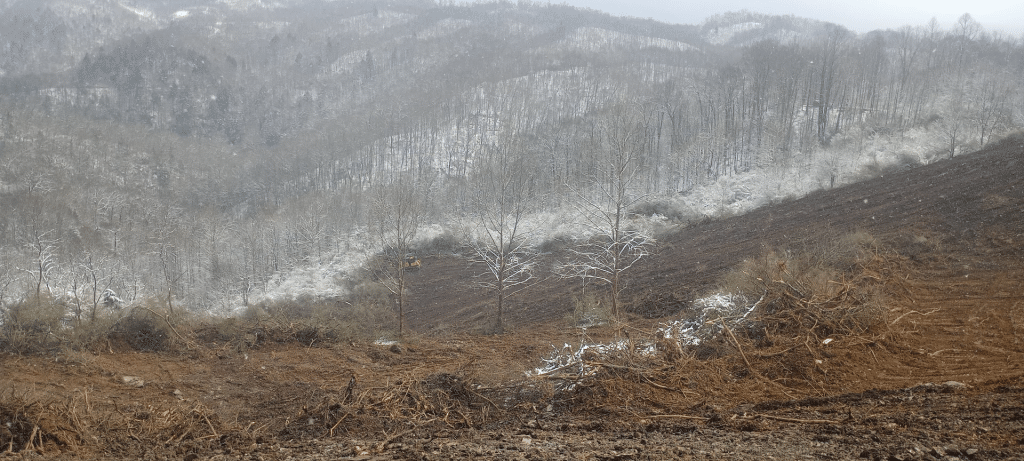
I watched the landscape of a former coal mine transform while the flakes of a mid-March snowstorm swirled around me. The heavy equipment pushing out the invasive plants that dominated that landscape was the first physical step in undoing the ecological damage the coal industry left behind.
When mining concluded at Quarry Drive in the late 2000s, it was “reclaimed” with a planting of autumn olive. The invasive plants would go on to dominate the entire 193-acre mine just outside Clinchco, Virginia. In the intervening decades, brief glances at the mountaintop while driving the winding road along the McClure River would have revealed leaves in a shade of green unnatural for the area. Those leaves came unseasonably early and fell far later than those around them, quietly enabling the invasive spread. The entire site was covered in a nearly impenetrable canopy of thorny invasive shrubs, leaving precious little opportunity for the native ecosystem to regenerate. Worse, the invasive seeds were spread well beyond the site by wildlife and weather.
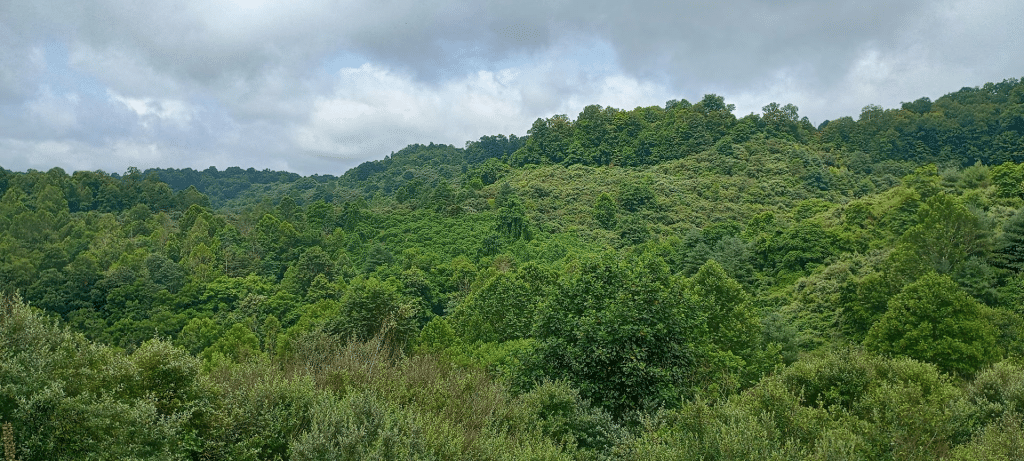
Though Quarry Drive had already been reclaimed to the standards specified in the Surface Mining Control and Reclamation Act of 1977, like many former mines in Central Appalachia, it was in dire need of genuine ecological restoration. To that end, Appalachian Voices acquired the site and began restoring it via the Forestry Reclamation Approach, in partnership with Green Forests Work.
Why? Our goals are to restore a healthy native hardwood forest that supports local wildlife, steward the land, and explore ways to fund mineland restoration at a larger scale.
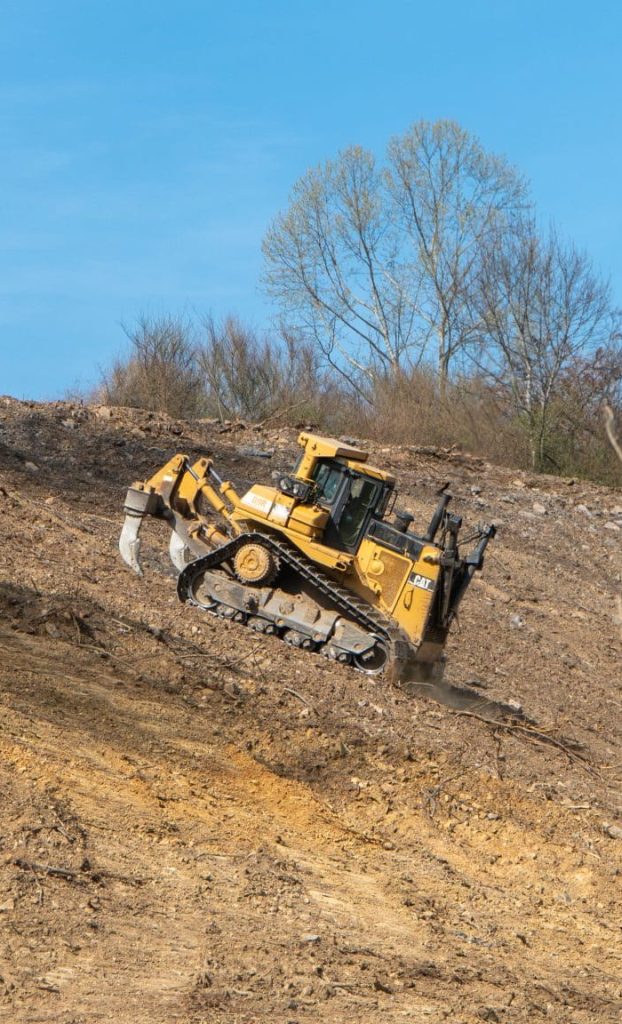
First, the autumn olive and other invasives had to be removed. Simply cutting them isn’t sufficient since they just grow back quickly enough to outcompete native trees. Heavy equipment was used to rip them out of the ground, roots and all.
I still remember the moment when the first bulldozer pass broke through the autumn olives, and the fog winding its way along the McClure River became visible. Watching the landscape transform in minutes with the fresh snowfall remains one of the more profound experiences of my life.
Then the soil had to be decompacted. The initial reclamation had left the soil packed so tight that in some spaces even the invasives couldn’t grow. To fix that, ripper-tines pulled behind the heavy equipment plowed up the soil and yanked out surviving autumn olive roots.
Finally, the site was ready for planting native trees. Professional tree planters planted over 100,000 bareroot seedlings from 24 species of trees and shrubs, and spread a mix of wildflower and pollinator seeds over the exposed soil. Throughout the planning process, we held community listening sessions in Clinchco to gather feedback on what the community would like to see on Quarry Drive, and we wanted to involve those same community members in the planting.
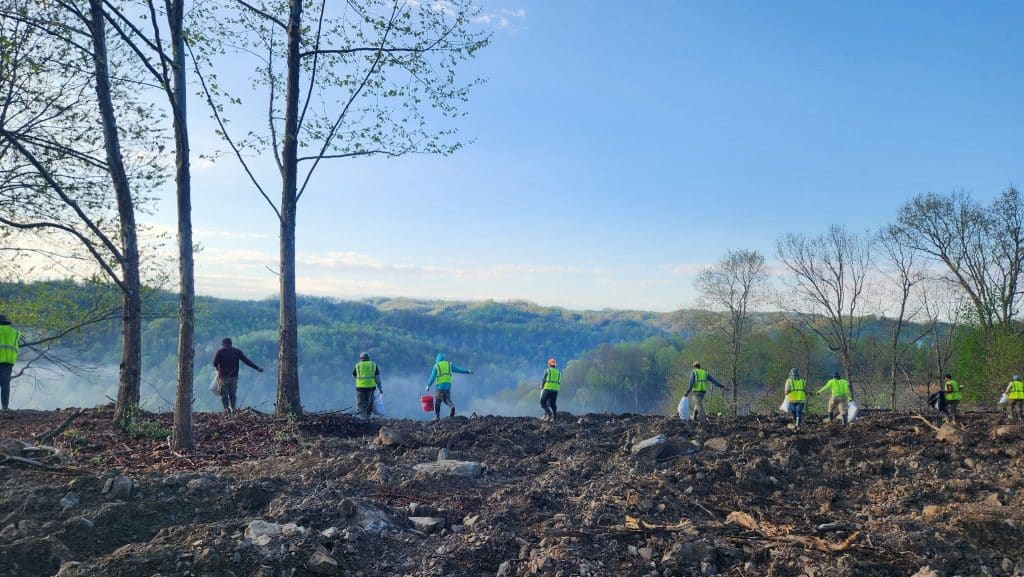
The community tree planting
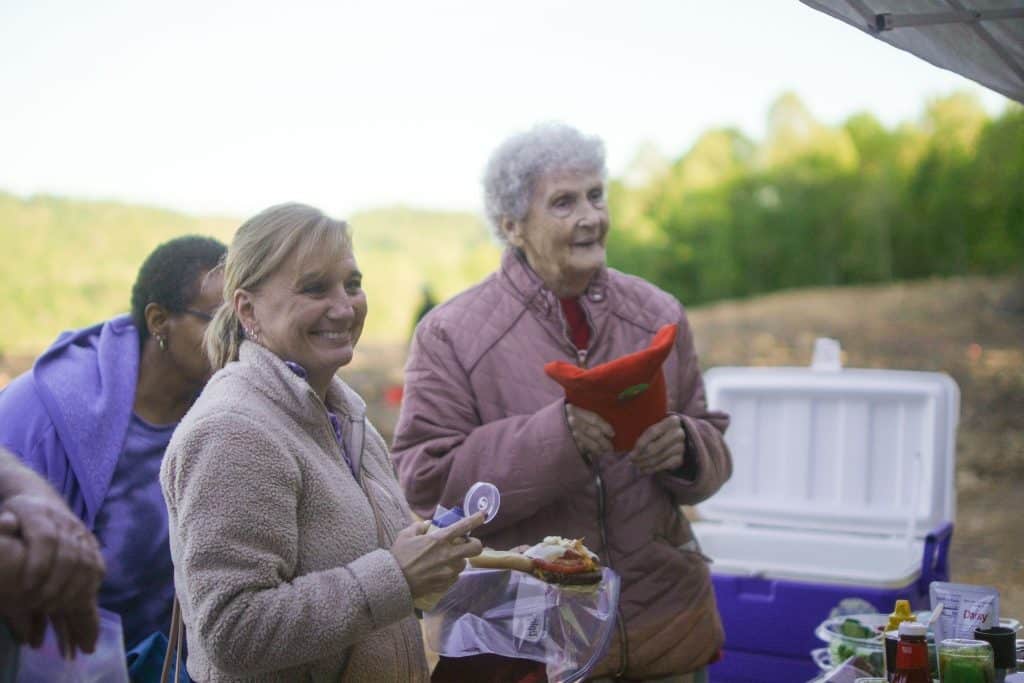
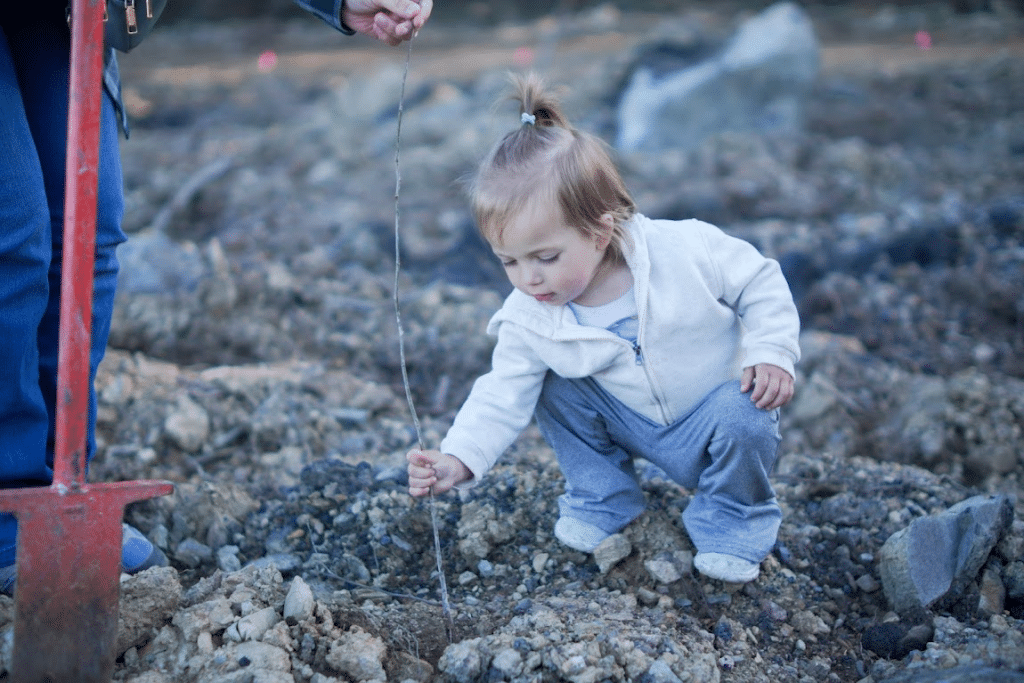
On a pleasant day in late April, we came together with the community to plant trees and celebrate the restoration of Quarry Drive. Soft bluegrass played while we ate grilled food and talked about the history of the site. Together, we planted around 200 trees, including some fruit and nut trees that might someday be foraged by the community. A blight-resistant variety of American Chestnut, long absent from the area, was included in the species mix.
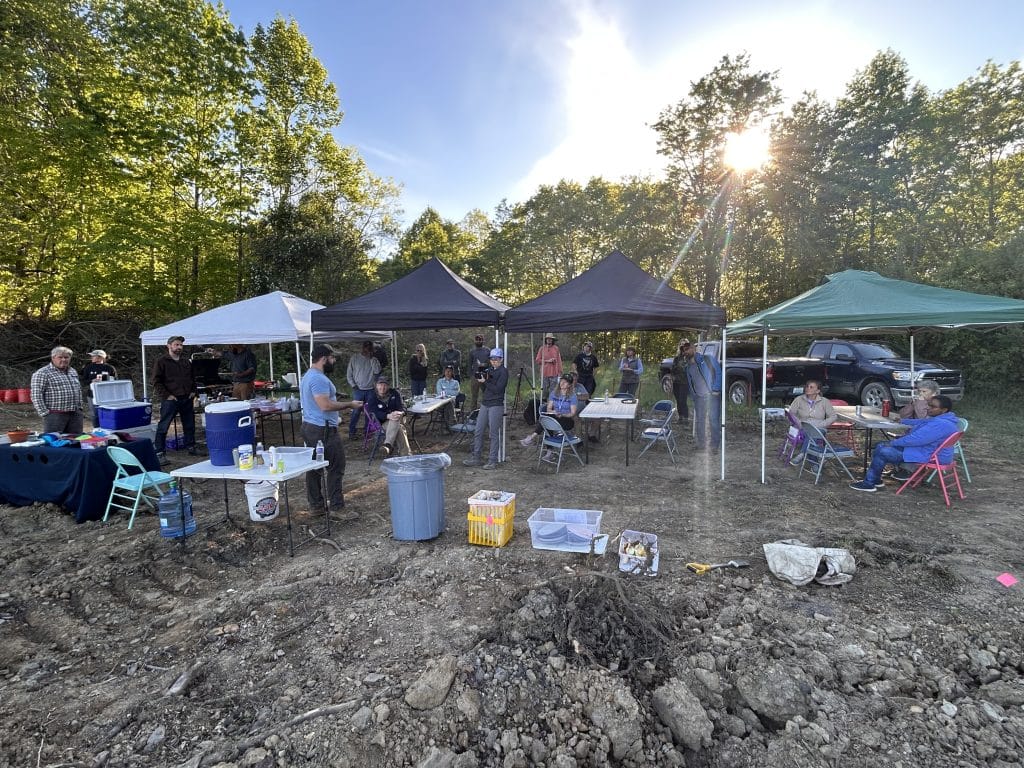
I found it heartwarming to see locals from ages 3 to 82 placing their hands on the future of the site that had once helped sustain communities like Clinchco, Steinman and Haysi. Some visitors said they’d lived in Dickenson County their entire lives and never known what was on the top of the mountain. Others had worked on the site when it was still a mine and quarry. The day was defined by laughter, great conversations and impromptu fossil hunts.
The future of Quarry Drive
As I write this blog, the last of the native wildflowers and trees are being planted on Quarry Drive. In the coming years, Appalachian Voices will continue to steward the site and suppress the autumn olive while the seedlings establish and grow. Based on community feedback, we worked forageable food plots into the planting zones. Quarry Drive is fairly representative of many mines in the region that are either poorly reclaimed or unreclaimed. Seeing it restored and with a bright future gives me hope for the feasibility of restoring other mines across Appalachia, even as the need outpaces the available reclamation funding.
Seeing it being restored and with a bright future gives me hope for other former mines across Appalachia — it shows that these lands can be restored with the right conditions. We’ll keep stewarding these 193 acres, and we’ll keep working toward solutions that can reforest more sites and avoid creating more mine cleanup problems in the first place.

PREVIOUS
NEXT

Leave a comment
Your email address will not be published. Required fields are marked *
One response to “Transforming a former mine into a healthy forest”
-

Wow! Quite an accomplishment. Congratulations! It was helpful to see the pictures of the gathering and view pictures of the different times and weather of the work site. The writing also aided a reader’s understanding.
Thank you, Jared Ring
Respectfully,
Sandra Holloway

Leave a Comment