
Appalachian WaterWatch: Protecting Your Water with Vigilance and Community Involvement
Our Appalachian Water Watch team is busier than ever watching over our water resources in Appalachia. From arming citizens with the know-how to monitor their own water to challenging bad deals between coal companies and state agencies, the Water Watch program is working each day to protect the rivers, streams and drinking water sources in the region.
Ace Project Reinvisioned
Appalachian Voices and The Alliance for Appalachia are expanding our joint efforts to hold big coal companies accountable for polluting Appalachian waterways. The launch of a new website, Ace-Project.org, will provide area citizens with a more efficient way to monitor and report pollution in the region. The website includes information about water quality indicators, details on training for citizens interested in becoming monitors, and a special mapping system to input and track water quality concerns in the West Virginia, Virginia, Kentucky and Tennessee region. To learn more or become involved, visit ace-project.org.
Challenging A Backroom Deal
Appalachian Voices’ Appalachian Water Watch team and partner organizations are challenging a backroom settlement between Frasure Creek Mining and Kentucky’s Energy and Environment Cabinet in state court. The deal between the coal company and the state agency essentially lets Frasure Creek off the hook for thousands of water quality violations over the past two years, while doing little to ensure that the company fixes its polluting of area waterways and submitting of false water monitoring data. Appalachian Voices, along with Kentuckians For the Commonwealth, Kentucky Riverkeeper and Waterkeeper Alliance, represented by Appalachian Citizens’ Law Center, Lauren Waterworth and Pace University Environmental Litigation Clinic, initially filed a lawsuit against Frasure Creek in October 2010 for submitting false water quality data to the state, followed by a second lawsuit that spring summer for water pollution violations. Follow the legal proceedings at appvoices.org/waterwatch.
New Water Pollution Alert System
Our Appalachian Water Watch team is working with nonprofit environmental monitoring group SkyTruth to launch a new water pollution alert system and toll-free hotline that will allow local people in coal-impacted communities to quickly and easily report pollution spills. Reports are then made public via the website, and site users can sign up for email and text message notifications of spills in their area. The goal of the system is to ensure that water pollution is reported to appropriate agencies, responsible companies are held accountable, and impacted citizens are made aware of the incidents. To find out more, visit appalachianwaterwatch.org, email erin@appalachianwaterwatch.org or call 1-855-7WATERS.
Related Articles
Latest News
More Stories

English Language Learning in Appalachia
Learning English is always difficult. But current aggressive approaches to immigration policy are creating more barriers for learners and the programs that serve them than ever before in Appalachia and beyond.

Landfill Drama
Many residents of Pike County, Kentucky, are breathing a sigh of relief since county commissioners finalized their decision to rescind a contract with an out-of-state waste management company.
Overdrive: Fossil Fuels in Appalachia
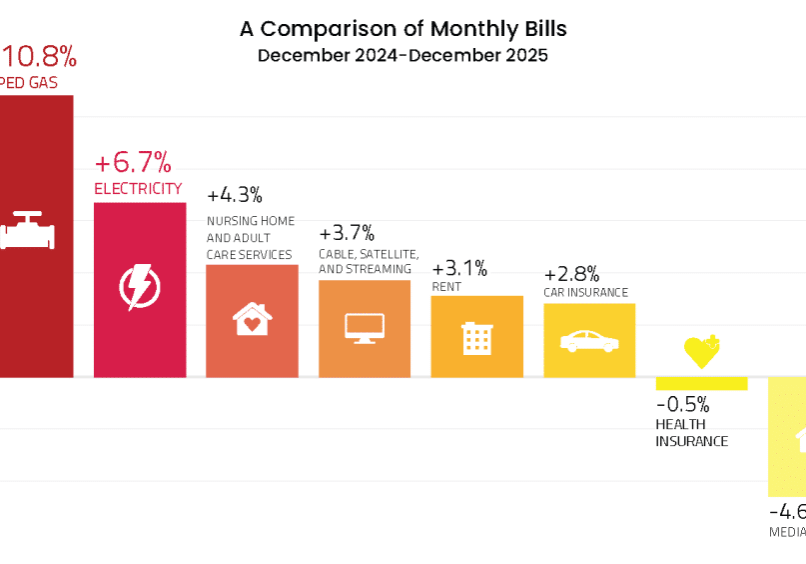
Electricity demand is on the rise. Here, we share snapshots of energy trends in the region and how methane gas, coal and data centers are affecting our communities — and how people are pushing back.
Less Support for Communities with Mine Problems
The Trump administration issued a regulation to weaken the Ten Day Notice process that helps community members call in federal enforcement when state regulators don’t do a good job policing environmental problems at coal mines
Chaos at the Tennessee Valley Authority, Cuts to Public Input
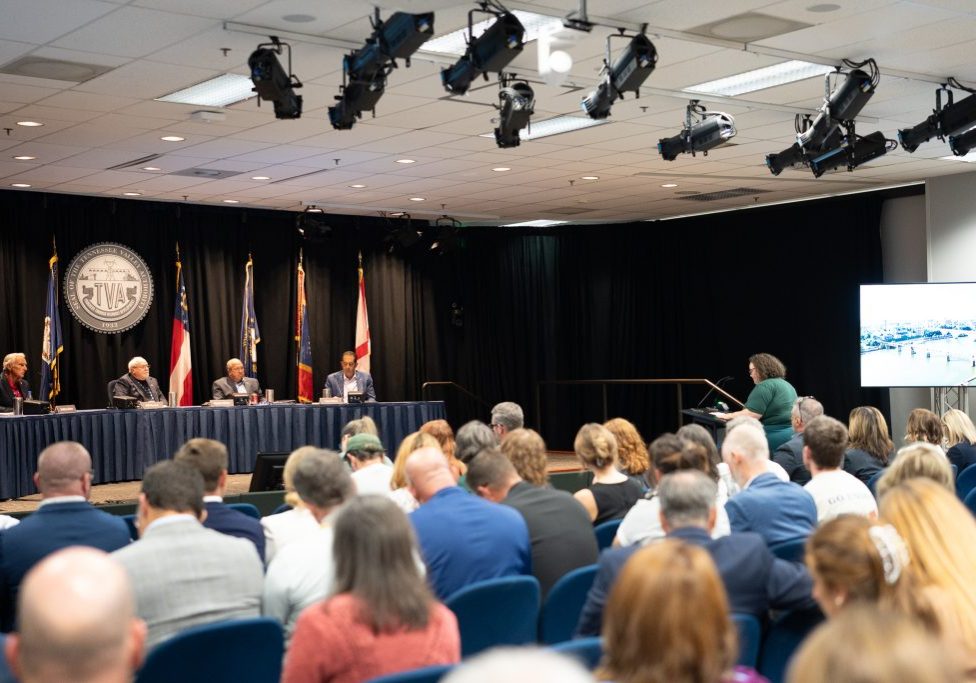
The past year has brought turmoil and uncertainty to the Tennessee Valley Authority, the nation’s largest public power provider, and its more than 10 million customers across the Tennessee Valley.

Landmark Coal Ash Protections Under Attack
The U.S. Environmental Protection Agency is planning to eviscerate important, hard-won regulations on coal ash, a toxic waste left after burning coal for energy.

Leave a comment
Your email address will not be published. Required fields are marked *
Leave a Comment