
Posts Tagged ‘Selenium’
The slow, steady process of making regulators and coal companies monitor pollution

In late summer of 2022, Appalachian Voices discovered selenium, a common pollutant associated with coal mining, in high concentrations in certain streams in the Big Sandy River watershed in Pike County, Kentucky. These waterways receive runoff from the S-1 Hunts Branch Surface Mine, a nearly 2,000-acre mountaintop removal coal mine operated by Lexington Coal Company.
Read MoreInsects Carry Traces of Mountaintop Removal Mining
Years after mining ends, selenium pollution from mountaintop removal coal mining operations still accumulates in insects downstream.
Read MoreAdvocacy groups sue multiple coal facilities for water violations
CONTACTS: Erin Savage, Appalachian Voices Central Appalachian Program Manager, erin@appvoices.org, 206-769-8286 August 7, 2019 Charleston, W.Va. — A coalition of West Virginian advocacy groups including the West Virginia Highlands Conservancy, the Ohio Valley Environmental Coalition, Appalachian Voices, and the Sierra Club sued four coal and chemical facilities alleging serious violations of the Clean Water Act…
Read MoreWest Virginia groups take legal action to halt water quality violations at 15 coal facilities
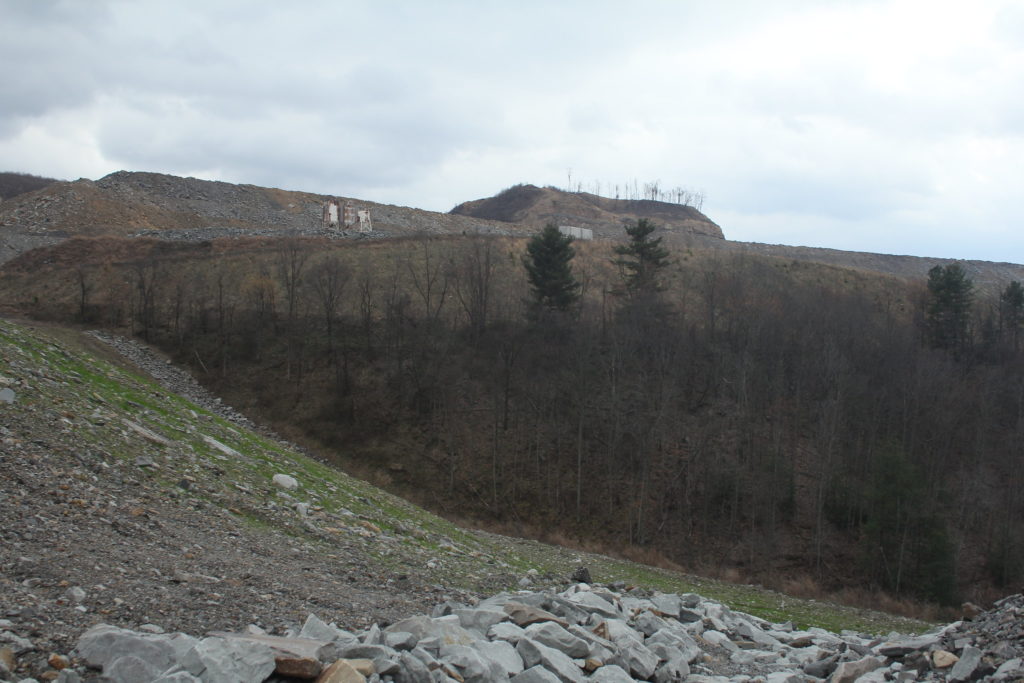
CONTACTS: Erin Savage, Appalachian Voices Central Appalachian Program Manager, erin@appvoices.org, 206-769-8286 Alex Amend, Sierra Club Eastern Regional Communications Manager, alex.amend@sierraclub.org, 404-457-8937 CHARLESTON, WV — A coalition of West Virginian advocacy groups including the West Virginia Highlands Conservancy, the West Virginia Rivers Coalition, the Ohio Valley Environmental Coalition, Appalachian Voices, and the Sierra Club sent “notice…
Read MoreDefending community rights to clean water enforcement
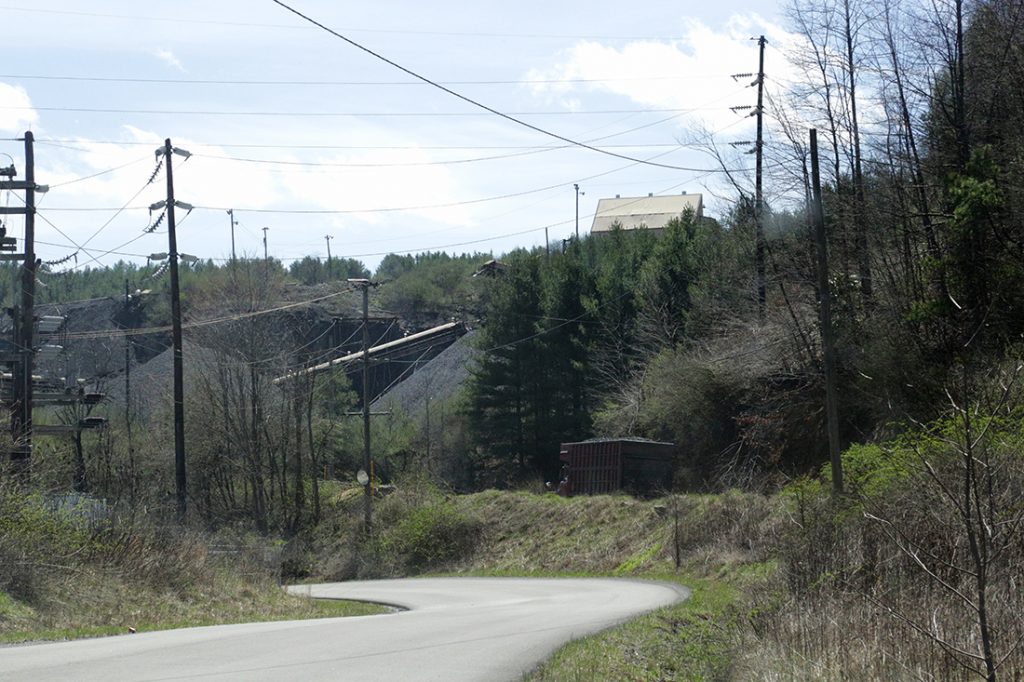
After four years of effort, a favorable ruling in Virginia this month confirmed the rights of citizens to participate in coal mine inspections.
Read MoreVa. health advocates hold coal company accountable for water pollution
Contact: Matt Hepler, 276-679-1691, matt.hepler@appvoices.org Brian Willis, 202-675-2386, Brian.Willis@sierraclub.org Isak Howell, 540-998-7744, ihowell@appalmad.org WISE, Virginia – The U.S. District Court for the Western District of Virginia has ruled in favor of the Southern Appalachian Mountain Stewards and Sierra Club on a citizen request for federal inspection of Red River Coal Company’s Greater Wise mine. In…
Read MoreClean Water Laws Wrestle With Coal
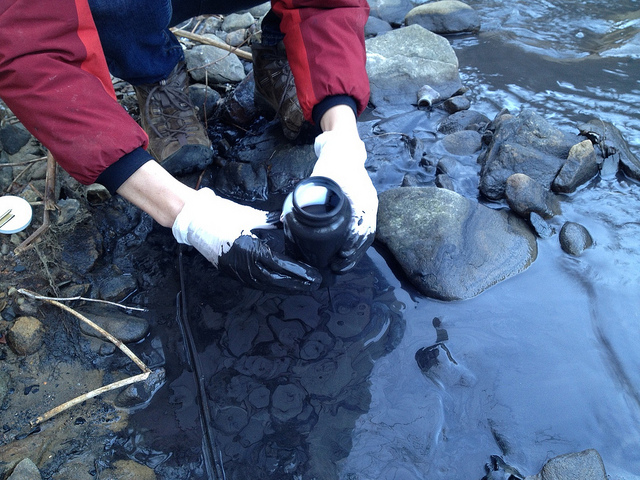
America’s environmental regulations have hampered the coal industry to varying degrees for decades, and though those rules can protect communities from pollution, the law alone is often not able to secure clean water. Here are some of the trouble spots.
Read MoreAnother challenge facing coal: Cleaning up
 From The Appalachian Voice Online: Yet another aspect of the financial perils facing U.S. coal companies is coming into full view. As even some of the nation’s largest coal producers run the risk of caving under their debts, regulators and analysts are voicing urgent concerns about cash-strapped companies’ ability to pay for reclamation land after mining.
Two wrongs don’t make a right: mountaintop removal and stream protection
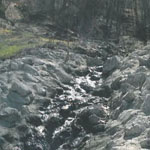 Two recent studies include more bad news regarding the impacts of mountaintop removal on streams throughout Central Appalachia. One indicates that work done to restore previously degraded streams is inadequate, while the other raises important questions about the feasibility of selenium pollution enforcement.
Endangered Species are New Focus in Legal Case against Kentucky’s Water Quality Protections and EPA
Contact Appalachian Voices: Eric Chance, 828-262-1500, eric@appvoices.org Kentuckians For The Commonwealth: Suzanne Tallichet, 606-776-7970, stallichet1156@aol.com Center for Biological Diversity: Tierra Curry, 971-717-6402, tcurry@biologicaldiversity.org Sierra Club: Adam Beitman, (202) 675-2385, adam.beitman@gmail.com Defenders of Wildlife: Melanie Gade, (202) 772-0288, mgade@defenders.org Kentucky Waterways Alliance: Tim Joice, (502) 589-8008, Tim@kwalliance.org LOUISVILLE, Ky. – A coalition of national and Appalachian…
Read More