
Posts Tagged ‘North Carolina’
Exploring Mountain Bogs

Although mountain bogs represent less than one percent of the southern Appalachian landscape, they are pockets of immense ecological and practical importance and provide a haven for many rare plants and animals.
Read MoreFull Disclosure?
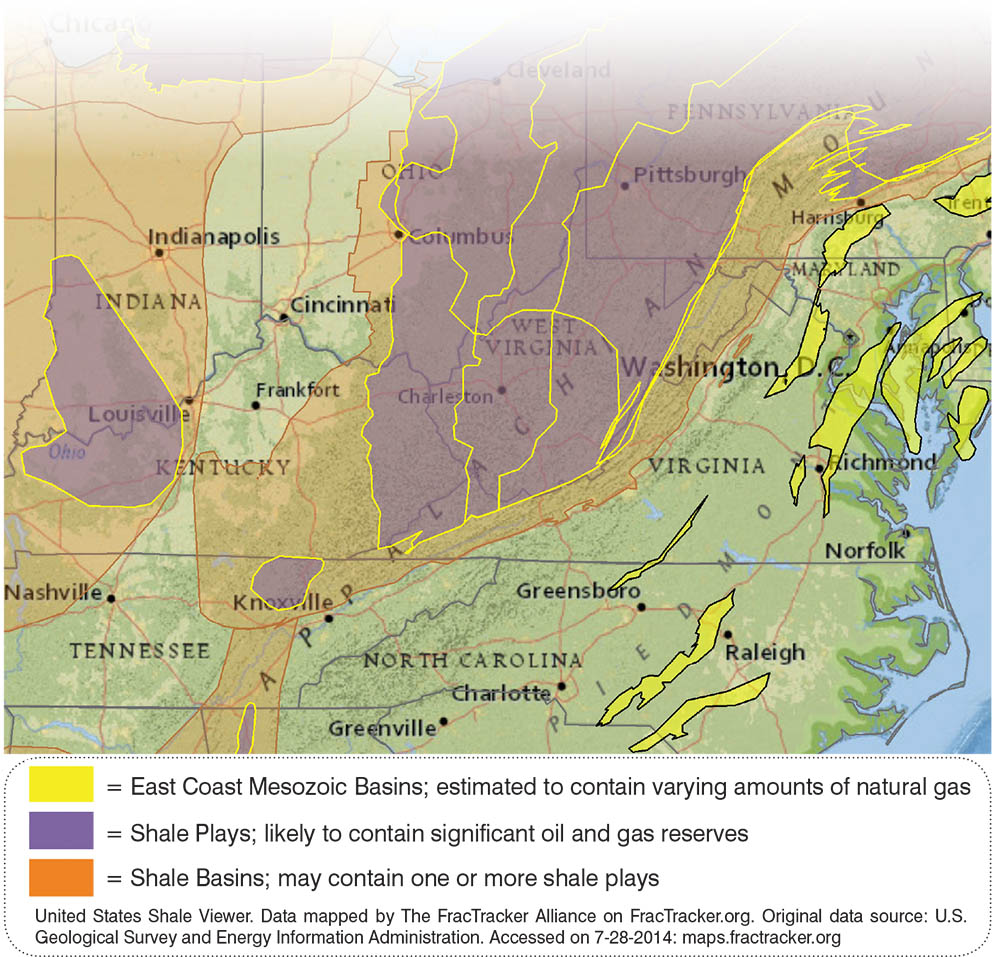
As North Carolina considers its first natural gas drilling rules, a survey of the region shows how states are — and aren’t — regulating fracking.
Read MoreNew Moth Named to Honor Cherokee
The Cherokeea attakullakulla now boasts a name of high distinction. A researcher first described the moth in the 1950s, but it was not until this summer that a team of scientists published a report recognizing it as an unidentified species native to North Carolina and Tennessee. Once a nameless moth drifting through Appalachia, its name…
Read MoreNorth Carolina Coal Ash Bill Pending
By Brian Sewell On July 14, the N.C. Senate voted unanimously to reject the state House’s revised version of the Coal Ash Management Plan, which weakened the cleanup requirements in the Senate’s original bill. Now, a committee with members of both chambers must craft a compromise bill. Sen. Tom Apodaca, who sponsored the Senate bill,…
Read MoreN.C. Circumvents Supreme Court Ruling On Groundwater Contamination
By Kimber Ray Lawsuits filed by citizens exposed to toxic tap water in Asheville, N.C., and Camp Lejeune Marine Corp Base, N.C., will now be able to move forward, thanks to legislation signed into law this July by North Carolina Gov. Pat McCrory. The bill clarifies that the state’s deadline for filing personal injury claims…
Read MoreEnvironmental community calls for major changes to North Carolina House’s coal ash bill
Environmental community calls for major changes to North Carolina House’s coal ash bill
Read MoreAt What Cost?

Concerns about Duke’s toxic coal ash have prompted Annie Brown and dozens of other community members to meet regularly since July 2013 to discuss how to get it out of their neighborhood once and for all. The group, which calls itself “Residents for Coal Ash Cleanup,” has recently grown in size, becoming more outspoken and more certain of their demands.
Read MoreMore Than a Market

By Megan Northcote Shopping for fresh, locally grown foods at farmers markets is always a refreshing way to find healthy foods while supporting the community. But in recent years, some farmers markets have transformed from grocery store alternatives to tourist destinations, featuring cooking and artisan demonstrations, hands-on healthy living activities for children, and food and…
Read MoreN.C. General Assembly to Consider Coal Ash
By Brian Sewell In the first North Carolina legislative session since a Duke Energy coal ash pond spilled 39,000 tons of toxic ash into the Dan River, two lawmakers introduced a bill based on Gov. Pat McCrory’s coal ash cleanup proposal. The governor’s proposal mirrors previous recommendations made by the utility itself, and State Senator…
Read MoreDoubts Follow Elk River Contamination
By Kimber Ray Four months after a Freedom Industries chemical tank contaminated the water of approximately 300,000 West Virginia residents this past January, only 36 percent of those residents were drinking their tap water, according a survey released in May by the Kanawha-Charleston Health Department. The affected private utility, West Virginia American Water Company, is…
Read More