

By Brian Sewell
On July 14, the N.C. Senate voted unanimously to reject the state House’s revised version of the Coal Ash Management Plan, which weakened the cleanup requirements in the Senate’s original bill. Now, a committee with members of both chambers must craft a compromise bill.
Sen. Tom Apodaca, who sponsored the Senate bill, said the House-approved bill contained multiple dealbreakers including a provision that could allow Duke Energy more time to close ponds if the utility claimed the timeline was not economically feasible.
While the negotiations have prevented the bill from reaching Gov. Pat McCrory’s desk and could lead to improvements, environmental groups see both versions and their many similarities as being too weak to fully address the state’s coal ash pollution problem.
Both the House and Senate bill would require Duke Energy to close four “high-risk” sites across North Carolina within five years. But deadlines for cleaning up the remaining 10 sites would extend until 2029 or beyond, and sites deemed “low-risk” could be capped in place without installing a liner to protect groundwater.
In June, the nonprofit organization Waterkeeper Alliance reported that well-water tests at five homes near Duke Energy’s Buck Steam Station in Rowan County revealed hexavalent chromium, a potent carcinogen. Still, an amendment to add the Buck plant to the list of “high-risk” sites narrowly failed in the House.
At press time, the committee had not yet negotiated a final bill.
Related Articles
Latest News
More Stories
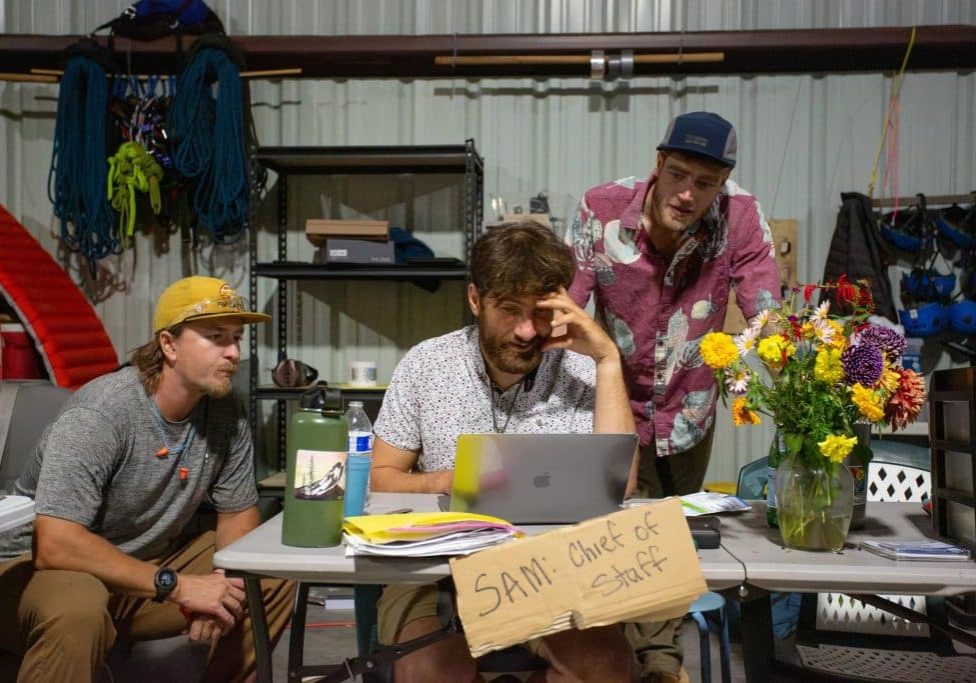
Neighbors Help Neighbors
A photo essay that celebrates the volunteer spirit of the grassroots group Hurricane Helene WNC and speaks to the resourcefulness, collaboration and hard work embodied by thousands and thousands of volunteers, first responders and aid workers across the region after Hurricane Helene.

Halloween Approaches, and Night School Is in Session
The House of Art in Bluefield, West Virginia, looks like a haunted tower, making it the perfect location for its sixth annual haunt event: Night School. The Night School will be open every Friday and Saturday night through Oct. 31.
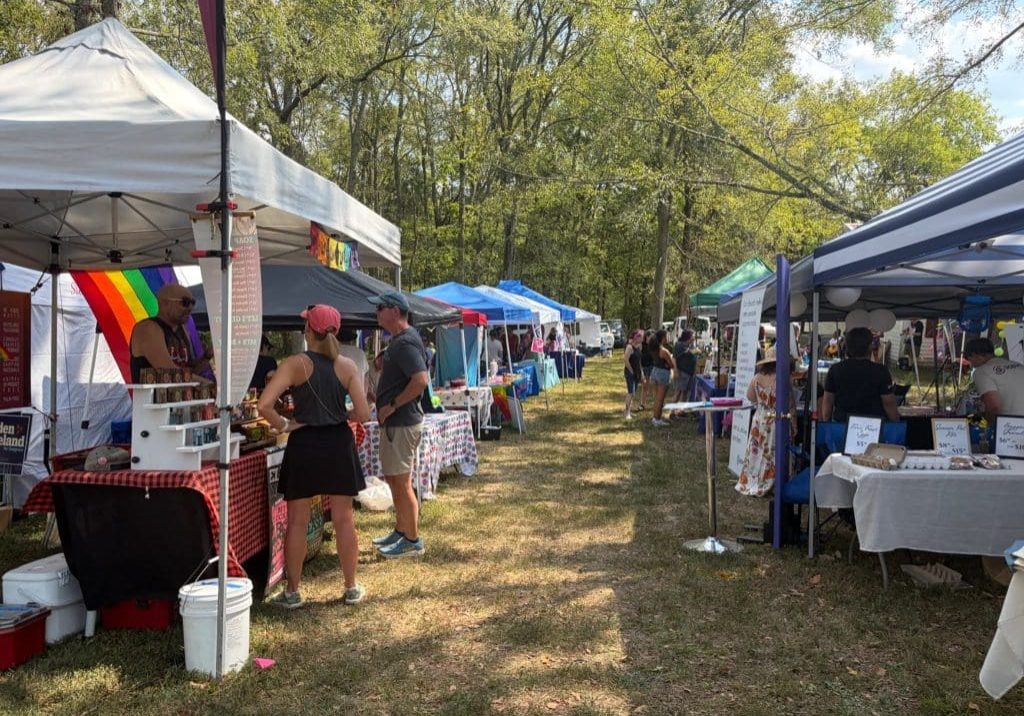
‘The Most Perfect Act of Love’
Hundreds of people attended the second annual Affirming Sumner Pride celebration on a 24-acre farm dubbed “Fruity Farm” in Bethpage, Sumner County, Tennessee.

Signs of Life: Endangered Bats Found in Nantahala for First Time in More Than a Decade
In the Nantahala National Forest, a team of biologists spotted Indiana bats, an endangered species that hasn’t been seen in North Carolina for the last 11 years.

‘First Line of Defense’
During Hurricane Helene and its aftermath, rural fire departments and other first responder hubs played critical roles in keeping their communities safe, even without power and cut off from outside support for days or weeks after the storm. Two years later, plenty of work remains to ensure these hubs have the resources they need to operate day to day and be ready when emergencies or natural disasters strike.

The Rocky Road — and Bridge — to Recovery
Hurricane Helene is estimated to have damaged nearly 7,000 private roads and bridges in Western North Carolina. Two years later, many restoration projects are complete, but the journey hasn’t been easy — and isn’t over for others.

Leave a comment
Your email address will not be published. Required fields are marked *
Leave a Comment