
Stop Pipelines & Fracked Gas

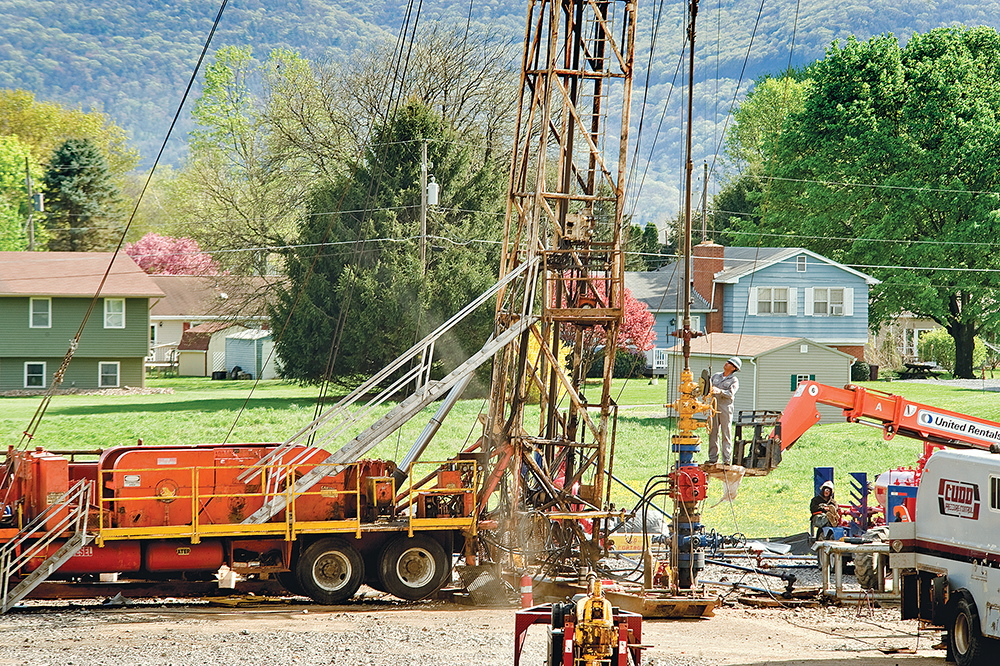
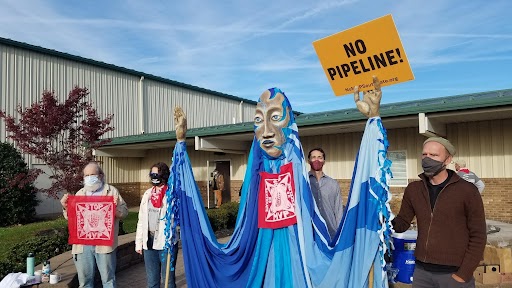
Photo By Sierra Shamer / Fractracker
Two decades ago, so-called natural gas exploded on the American energy market, pushed by the industry as a supposedly clean “bridge” fuel to transition the economy from dirty coal to renewable sources of electricity generation like solar and wind.
But this gas is far from clean. From the time that it is extracted using a destructive drilling method called fracking, its transport through pipelines, train cars and trucks, to the power plants where it is burned, the dire environmental and human costs of this fossil fuel are now abundantly clear. In particular, this polluting infrastructure is often sited in communities of color, lower-income areas and other environmental justice communities.
Studies show that investments in renewable energy and energy efficiency are on par with, or sometimes more affordable than, building new gas infrastructure. Many states are enacting policies to tap into the rising solar and wind sector. Yet the fossil fuel industry is rushing to build methane gas pipelines and power plants to squeeze as much profit as possible out of the waning fuel, putting most of the financial risk on customers.
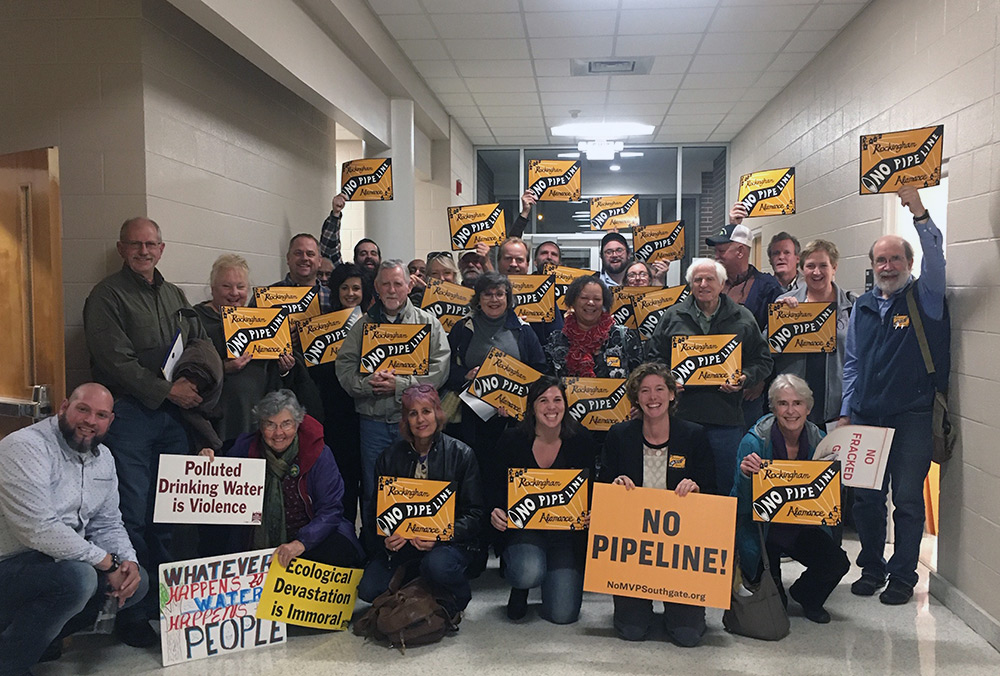
Appalachian Voices is tackling the spread of fracked gas head-on by legally challenging fossil fuel proposals and pushing back against the antiquated policies and rubber-stamping agencies that govern the development of gas infrastructure. We are also partnering with communities in the fight against new fossil fuel infrastructure, providing resources and training to bolster local opposition. And we are pressuring decision-makers to force them to consider the harm to communities threatened by polluting energy development.
And the tide is starting to turn. In July 2020, Duke Energy and Dominion Energy canceled the 600-mile Atlantic Coast Pipeline. The massive fossil fuel project was riddled with problems, starting with the fundamental fact it was not needed to meet energy demand. Standing beside the many communities and organizations that made this historic victory possible, we’re taking this momentum and applying it toward the fight against other destructive, climate-harming projects that threaten community safety, our clean air and water, and that would raise electricity costs for residents.



Latest News
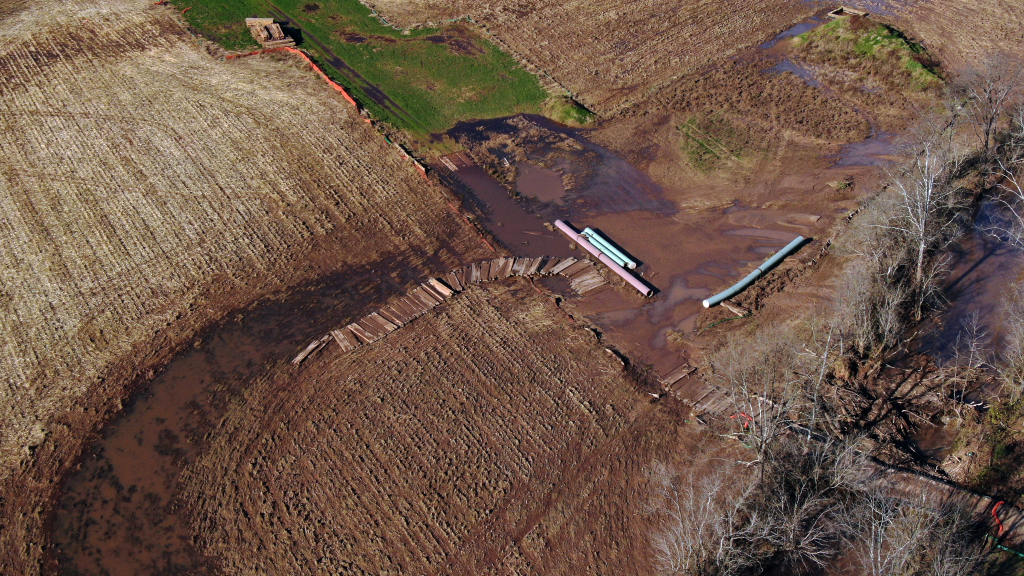
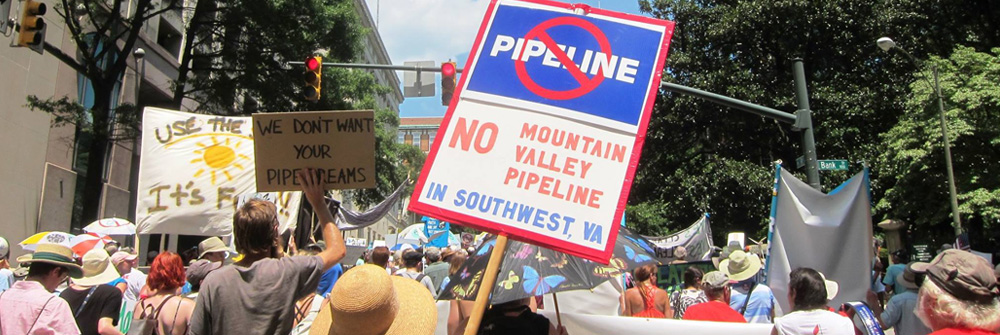
Thousands submit comments in opposition to Mountain Valley Pipeline
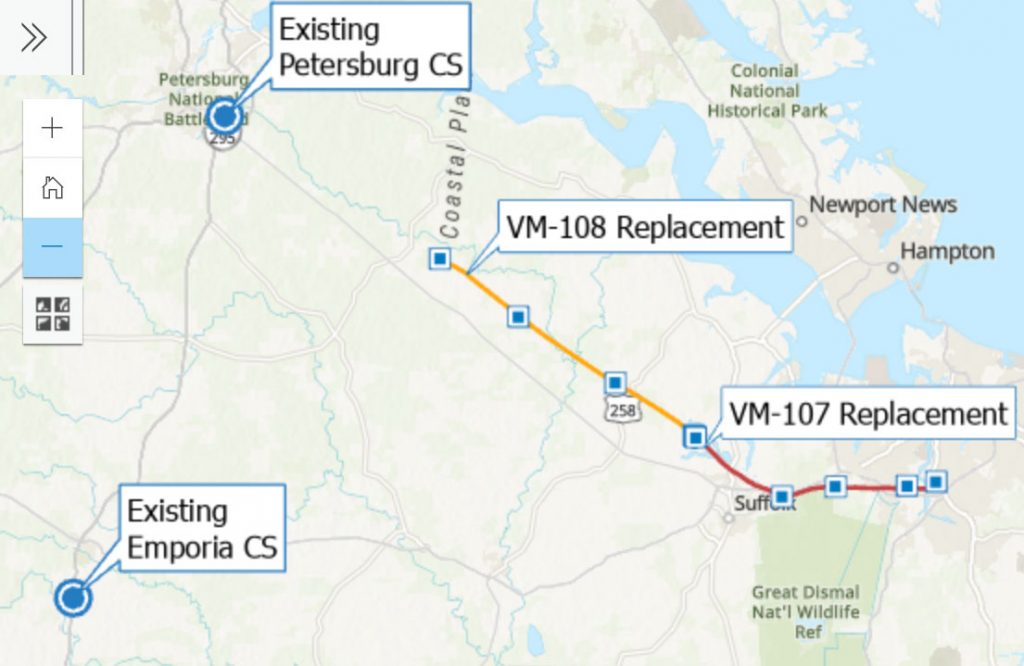
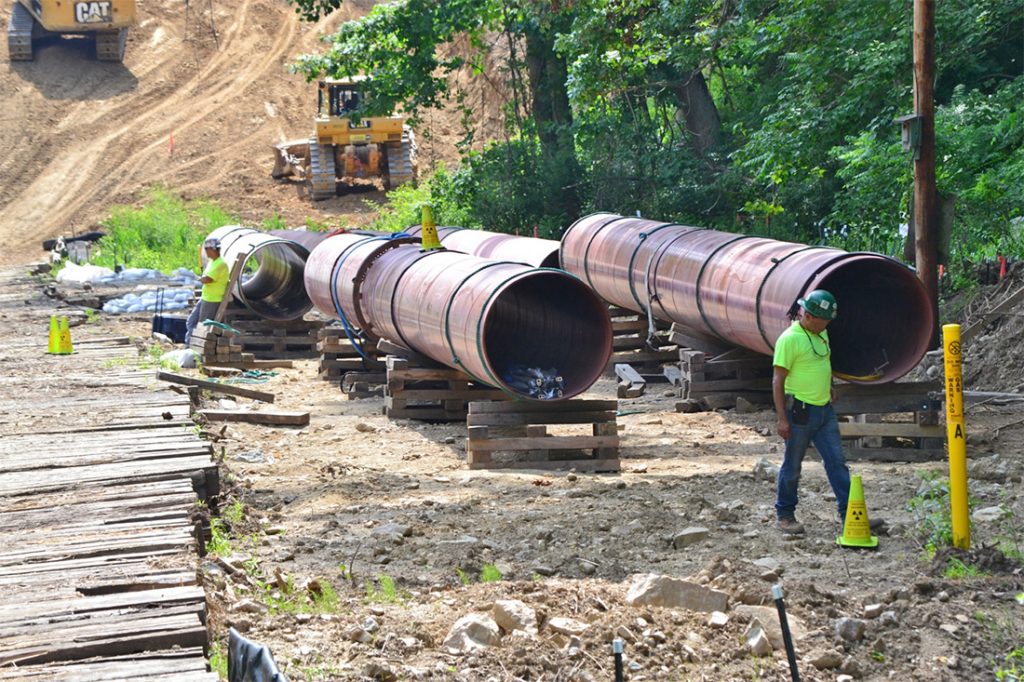
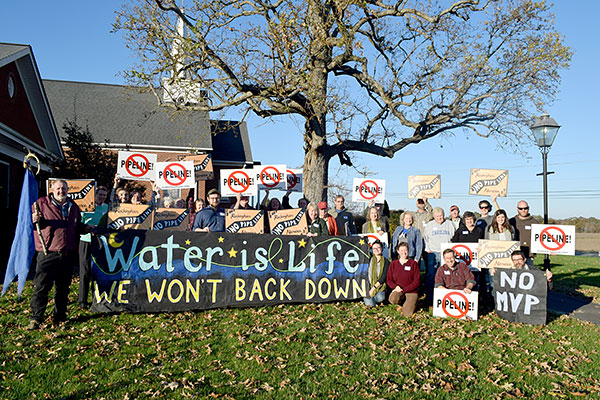
Since construction began in 2018, MVP has been cited for hundreds of water quality violations in West Virginia and Virginia, racking up millions of dollars in fines. In addition to water impacts, pipeline opponents have raised concerns about air emissions from compressor stations, safety issues, lack of need, and the impact of building out more fracked-gas infrastructure at a time when decarbonization is crucial to addressing the climate crisis.
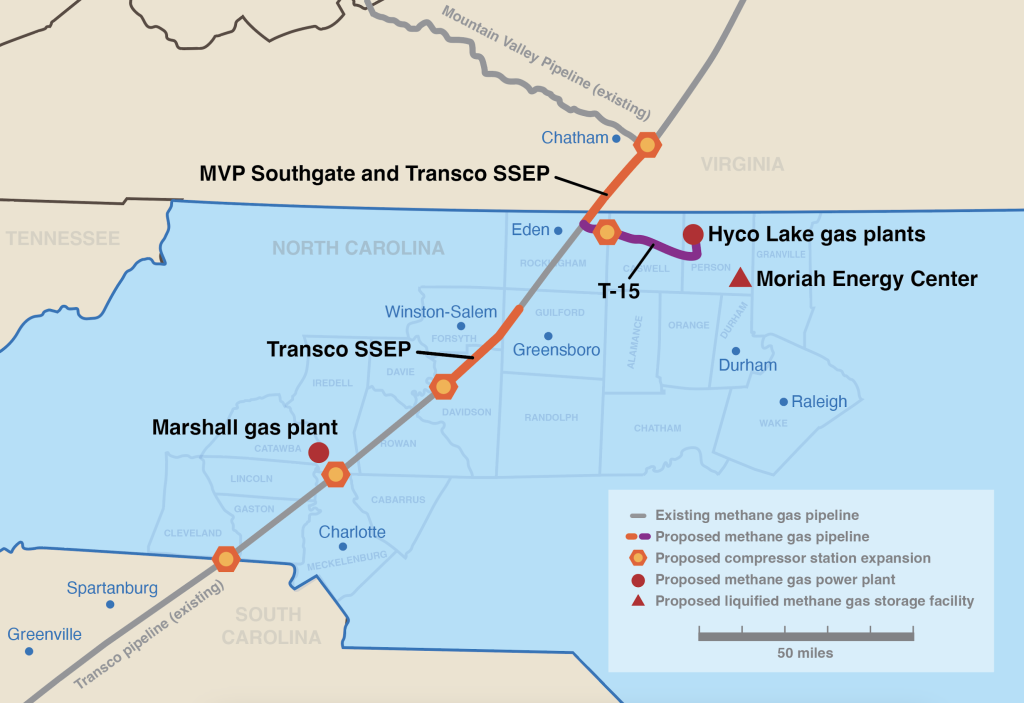
FERC issues Notice of Application for 32-mile pipeline across Dickson, Houston and Stewart counties
Contact Bri Knisley – [email protected] – (937) 725-0645…
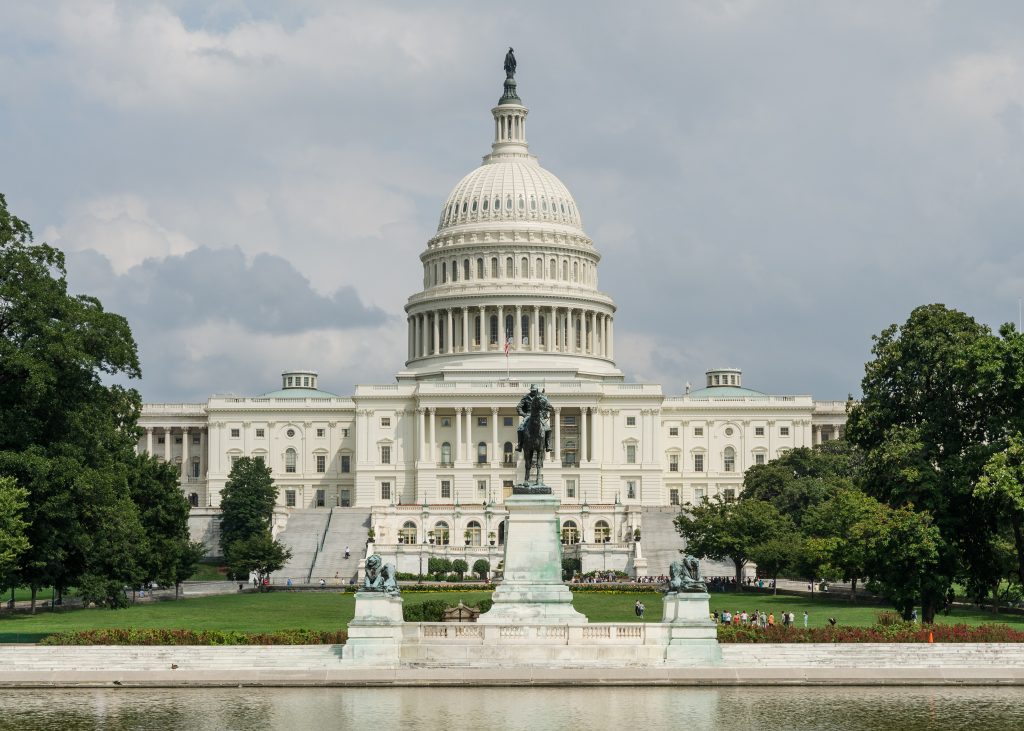
Trusting the movement during a moment of loss
The end of negotiations to include clean energy and climate spending in the reconciliation plan is a harsh blow, but we will continue to fight for a better future for Appalachia, and for our planet.
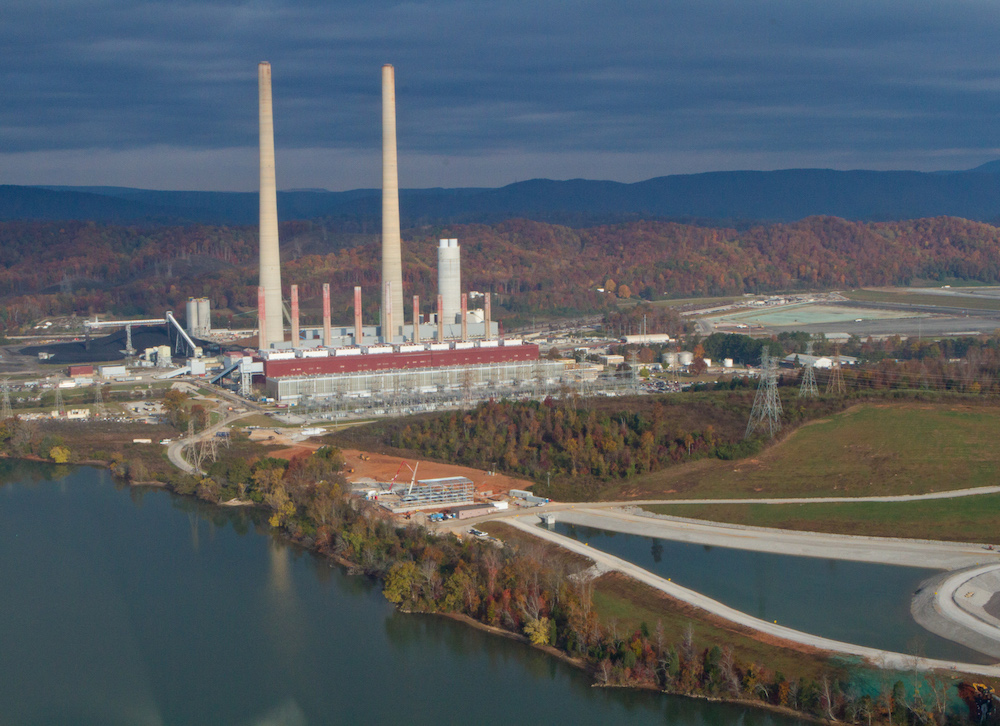
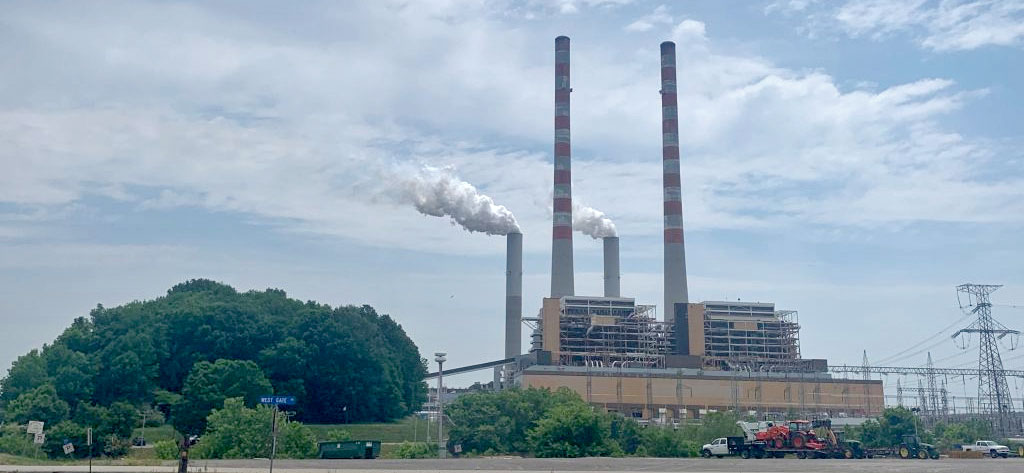
Report: Replacing Cumberland Fossil Plant with energy efficiency and renewables would have much higher jobs outcomes
FOR IMMEDIATE RELEASE July 14, 2022 CONTACT Dan…
Statement on MVP request for a second FERC certificate extension
FOR IMMEDIATE RELEASE June 24, 2022 CONTACT Jessica…
Even as 2022 Virginia General Assembly wraps up, threats of environmental rollbacks continue
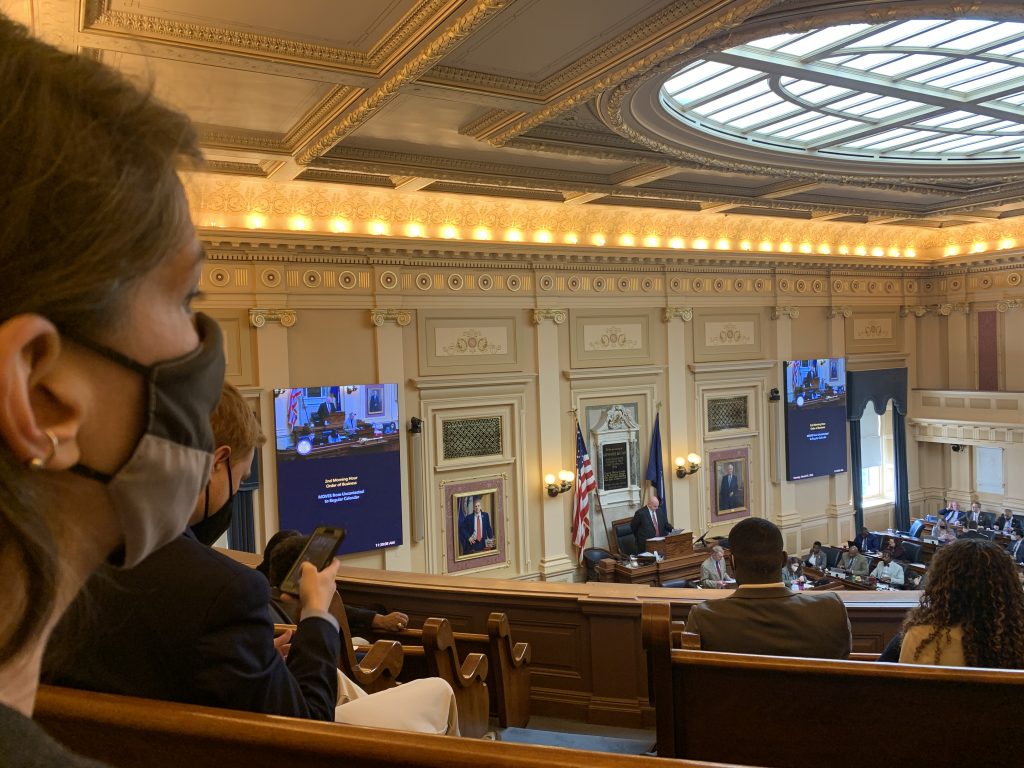
With the signing of the budget, the Virginia General Assembly wrapped up a session filled with challenges and disappointments.