Southeast Supply Enhancement Project
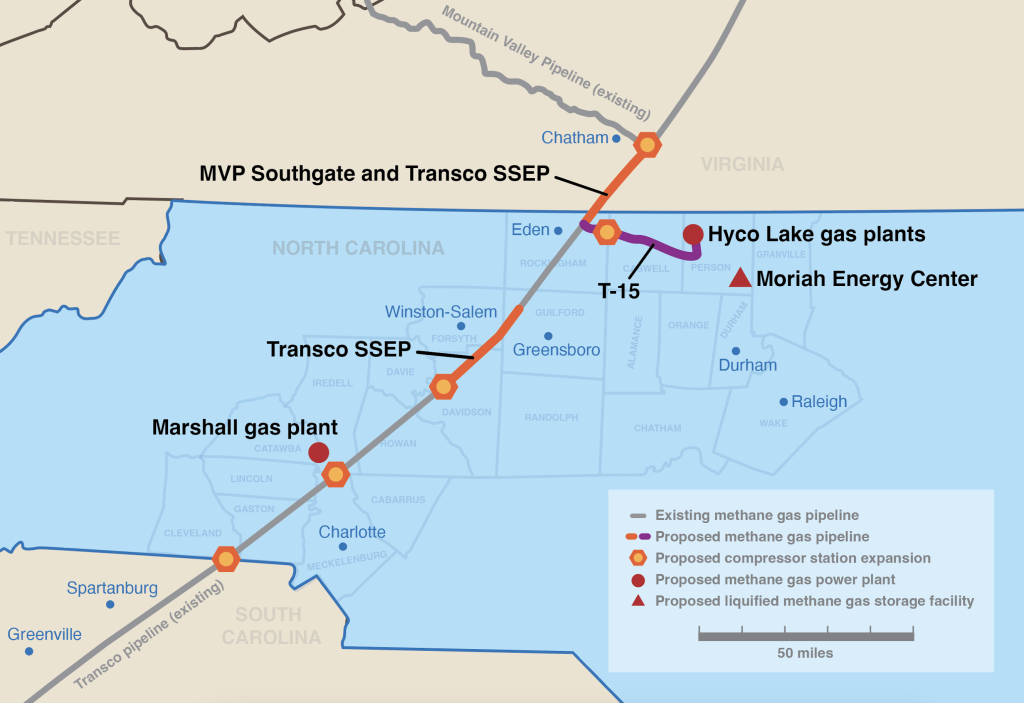
The Southeast Supply Enhancement Project is a 42” diameter, high-pressure methane gas pipeline expansion of the existing Transco web of pipelines. The 54.8 mile-long SSEP would travel from Chatham, Virginia, through Pittsylvania County before crossing into Rockingham County, North Carolina. A separate SSEP segment in North Carolina would traverse Guilford, Forsyth and Davidson counties.
SSEP Information
Owner: Transcontinental Gas Pipe Line Company, LLC, a wholly owned subsidiary of The Williams Companies, Inc.
Scope: The SSEP would start at the existing Transco Compressor Station 165, a massive, polluting compressor station that pumps gas for Transco’s existing lines, in Chatham, VA. It would then be routed 26.4 miles through Pittsylvania County before crossing into Rockingham County, North Carolina. After reaching the state border, the SSEP would then travel 28.4 miles through North Carolina. The segment of the North Carolina SSEP pipeline includes a section through Rockingham County, with a separate SSEP segment in Guilford, Forsyth and Davidson counties. It includes expansion of emissions-producing gas compressor units in Iredell and Davidson counties, North Carolina and compressor station updates in Anderson County, South Carolina, Walton and Henry counties, Georgia and Coosa County, Alabama.
What are the concerns about the Southeast Supply Enhancement Project?
The SSEP could negatively impact local air and water quality as well as residents’ health and property values. The expansion of two gas-powered compressor stations in Iredell and Davidson Counties, North Carolina, would increase emissions of harmful air pollutants like nitrogen dioxide, volatile organic compounds and fine particulate matter in nearby communities.
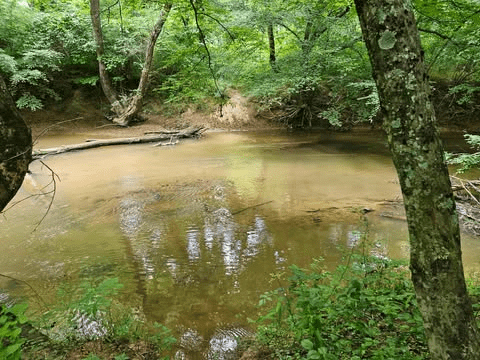
Community members are also concerned about the project’s impacts to local water resources including the Banister and Dan rivers, which would be crossed by the pipeline. The Dan River, which would be crossed repeatedly by the SSEP, is still recovering from a 2014 toxic coal ash spill caused by Duke Energy, and in North Carolina, one crossing of the Dan River by the pipeline would span 230 feet. Overall, the large-diameter pipe would make more than 100 individual waterbody crossings in 16 watersheds.
The SSEP would create few, if any, permanent jobs and could result in disruptive local construction traffic for months. The SSEP would not provide significant local benefit, as the pipeline’s gas is intended for local residential use, and jobs related to the project are temporary construction jobs typically filled by workers from out of state.
The proximity of the proposed SSEP to its competitor, the proposed Mountain Valley Pipeline Southgate extension, adds another layer of concern. The dual set of construction, right-of-ways and possible sedimentation means all agencies should consider the combined impacts of these pipelines.
The SSEP is yet another example of the overbuilding of fossil fuel infrastructure across the Southeast that would put an overwhelming burden on communities in Virginia and North Carolina. Gas pipelines mean methane leaks, sedimentation from construction and ongoing safety concerns. They put communities at increased risk from pollution and explosion dangers, and interstate gas transmission lines in Virginia and North Carolina are not required to add any odorant, meaning a leaking transmission line would not give off any smell to warn of a problem.
Compounding these concerns, Transco has one of the worst safety records of national pipeline companies, as detailed by the watchdog group the Pipeline Safety Trust.
 Read more about the NoSSEP Coalition.
SSEP progress so far
Williams Companies, the project’s developers, applied to the Federal Energy Regulatory Commission for a Certificate of Public Convenience and Necessity for the project. The gas company requested a streamlined evaluation of the SSEP’s environmental impacts by asking FERC to perform an Environmental Assessment, instead of the more thorough Environmental Impact Statement that is appropriate for a large, interstate project with a wide range of projected adverse impacts.
Appalachian Voices and other organizations pushed back on this request and demanded the most thorough review possible, with Appalachian Voices submitting a petition signed by over 2,800 people. FERC issued an Environmental Assessment in November 2025, with a comment period, where the public scrutinized the agency’s analysis of the pipeline’s potential harms. FERC issued the CPCN in February 2026.
In addition to the required FERC certificate, the SSEP faced many other hurdles: multiple state permits, including Clean Water Act 401 permits from both Virginia and North Carolina and air permits for compressor stations in Iredell and Davidson Counties in North Carolina and federal permits from the U.S. Army Corps of Engineers..
During permit reviews, communities organized at the local level, engaging city councils and board of supervisors, with tremendous results in North Carolina. Months of work resulted in six governing bodies adopting resolutions of opposition to this project: the towns of Midway, the cities of Greensboro and Lexington, NC, and Davidson, Forsyth and Guilford counties.
In Lexington, in Davidson County, about 700 residents live within 3 miles of the proposed compressor station expansion. The gas-powered equipment Transco is opting to use for the expansion would release chemicals, including fine particulate matter, that can severely impact nearby residents’ health. According to data from the U.S. Environmental Protection Agency’s environmental justice screening and mapping tool, 55% of people in the census block directly across the street from the site are considered low-income. This project could burden low-income communities with higher healthcare costs, considering the potential impact of air pollution on residents’ health.
Using one of the most harmful stream-crossing methods, SSEP proposes to cross five streams that are tributaries of Lake Thom-A-Lex, the municipal water supply reservoir for the city of Lexington. This construction could lead to uncontrollable sedimentation, erosion and turbidity in impacted waterways, polluting downstream water sources and putting water quality and aquatic species at risk. Increased sedimentation and turbidity can strain local water utilities that draw from impacted reservoirs. These conditions could make it more difficult and costly for local utilities to filter water, disrupting the supply of clean drinking water to the surrounding municipality.
What permits does the Southeast Supply Enhancement project require?
Federal permits required:
- Federal Energy Regulatory Commission Certificate of Public Convenience and Necessity; received January 30, 2026
- U.S. Army Corps permit under Section 404 of the Clean Water Act; received February 19, 2026
- U.S. Fish & Wildlife Service Biological Opinion or Biological Assessment under the Endangered Species Act; permission granted in February 2026.
State permits required:
- Virginia Department of Environmental Quality permit under Section 401 of the Clean Water Act, to include Upland Certification; received December 23, 2026
- North Carolina Department of Environmental Quality permit under section 401 of the Clean Water Act; received December 19, 2026
- Jordan Lake Riparian Protection Buffer and Randleman Lake Riparian Protection Buffer permit
- North Carolina Department of Environmental Quality air permits for gas-run compressor units; received December 19, 2026
How has the public reacted to this proposed pipeline?
Since the pre-filing docket of related filings was initiated on Feb. 1, 2024 with FERC, public opposition to the SSEP has been robust. Within that pre-filing docket, over 7,000 members of the public expressed opposition.
In their application docket No. CP25-10-000, submitted Oct. 29, 2024, Transco states that the project “will not have a significant impact on human health or the environment,” suggesting that the Commission need not prepare an Environmental Impact Statement for this Project as part of its NEPA review. Again over 7,000 members of the public expressed opposition to the project and asked for a full Environmental Impact Statement rather than an Environmental Assessment, a less intensive study.
More than a dozen North Carolina legislators also asked FERC for an EIS, noting “If approved, this project would cause tens of millions of metric tons of greenhouse gas emissions every year for decades, even as the costs of renewable energy continue to drop.” Other notable submissions in the docket include comments of concern from the mayor of Oak Ridge, North Carolina; a Forsyth County, North Carolina, commissioner; and a sign-on letter from over 90 organizations asking for a full Environmental Impact Statement.
The 2024 intervention period included over 50 requests to intervene, including from the Pittsylvania County Branch of the NAACP, Haw River Assembly, North Carolina Black Alliance, Sierra Club, 7 Directions of Service, Southern Alliance for Clean Energy and Appalachian Voices.
In response to the environmental assessment from FERC, A group of more than three dozen North Carolina state and federal elected officials also submitted a letter opposing the project, urging the North Carolina Department of Environmental Quality and FERC to deny SSEP’s water permit. A dozen Virginia legislators also weighed in to oppose the project.
The robust public participation in the FERC docket has been coupled with nearly three years of educational outreach and programming from organizations and community members working to oppose this harmful and unnecessary buildout of natural gas capacity. As FERC has granted permission to proceed, pre-construction efforts have started, as of March 2026, including tree-felling. Communities are organizing to monitor construction efforts.
Updates from the coalition working to oppose the SSEP can be found at nossep.org.