
Stop Pipelines & Fracked Gas

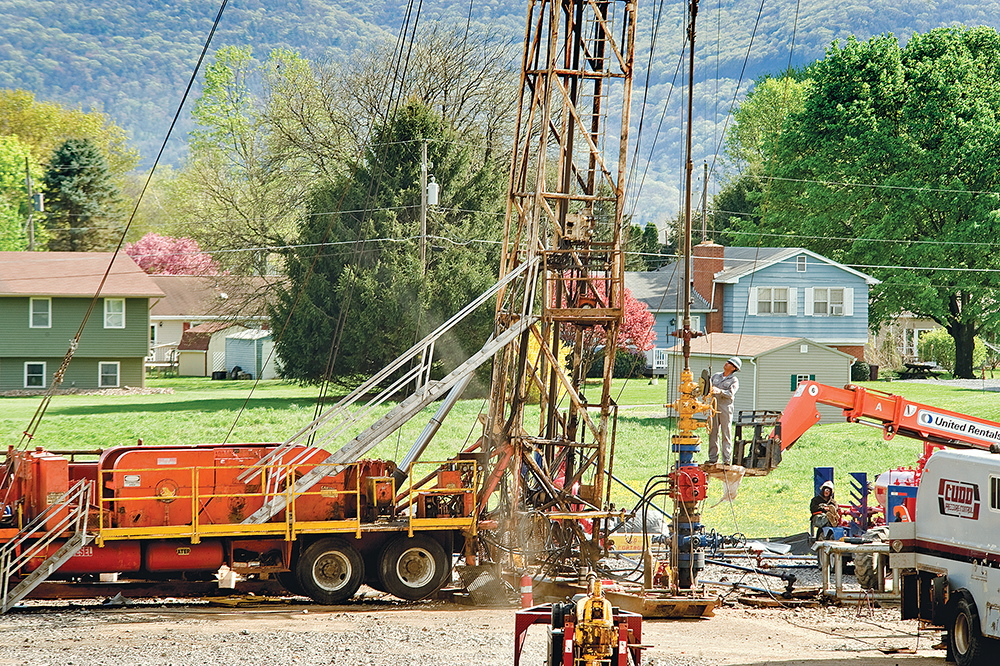
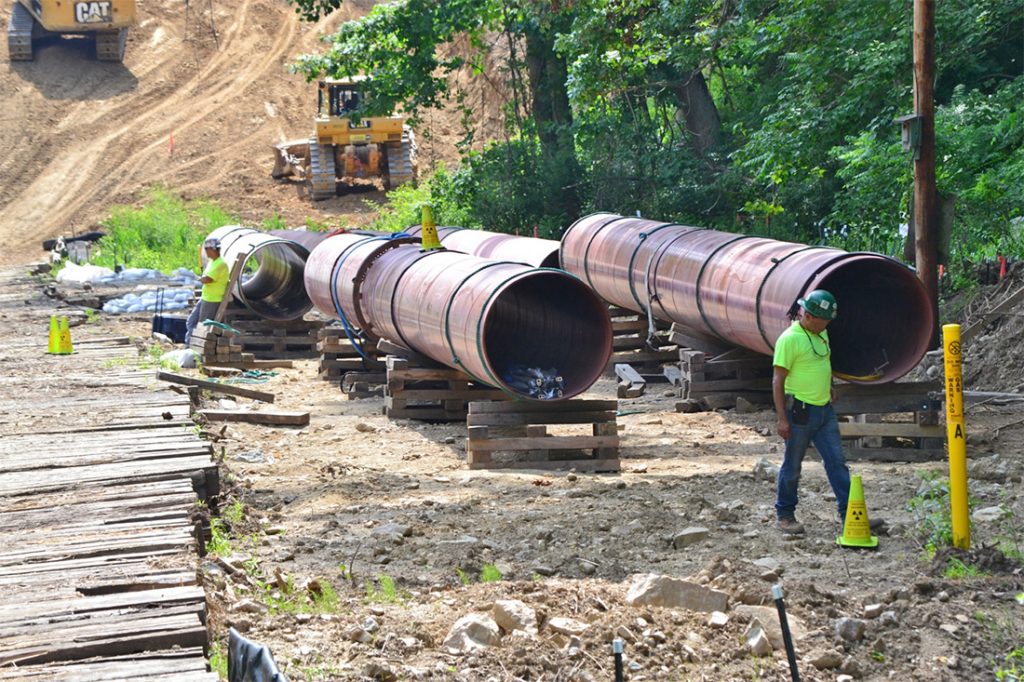
Photo By Sierra Shamer / Fractracker
Two decades ago, so-called natural gas exploded on the American energy market, pushed by the industry as a supposedly clean “bridge” fuel to transition the economy from dirty coal to renewable sources of electricity generation like solar and wind.
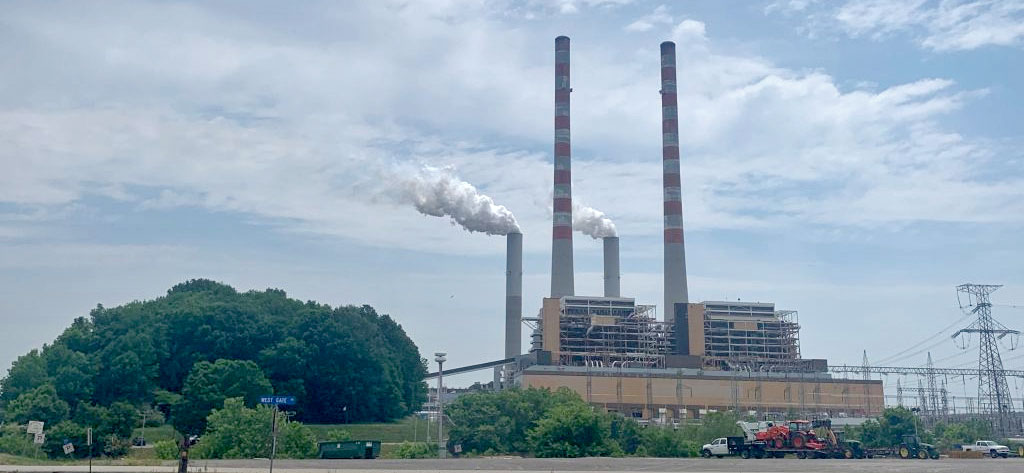
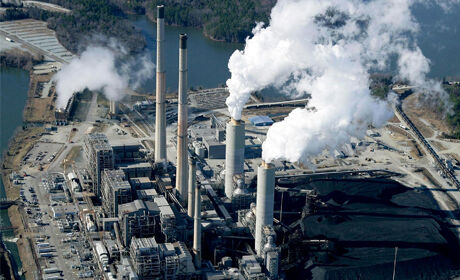
But this gas is far from clean. From the time that it is extracted using a destructive drilling method called fracking, its transport through pipelines, train cars and trucks, to the power plants where it is burned, the dire environmental and human costs of this fossil fuel are now abundantly clear. In particular, this polluting infrastructure is often sited in communities of color, lower-income areas and other environmental justice communities.
Studies show that investments in renewable energy and energy efficiency are on par with, or sometimes more affordable than, building new gas infrastructure. Many states are enacting policies to tap into the rising solar and wind sector. Yet the fossil fuel industry is rushing to build methane gas pipelines and power plants to squeeze as much profit as possible out of the waning fuel, putting most of the financial risk on customers.
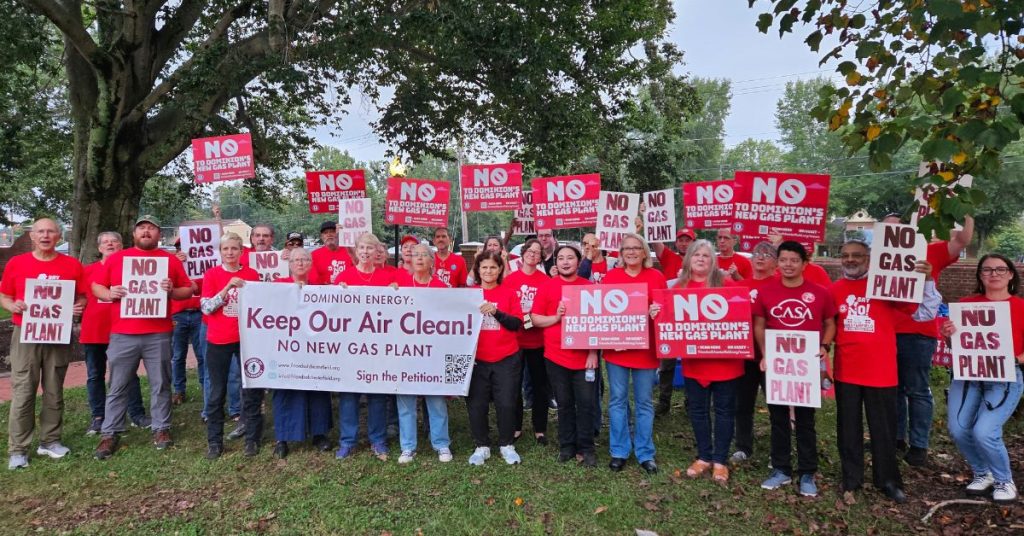
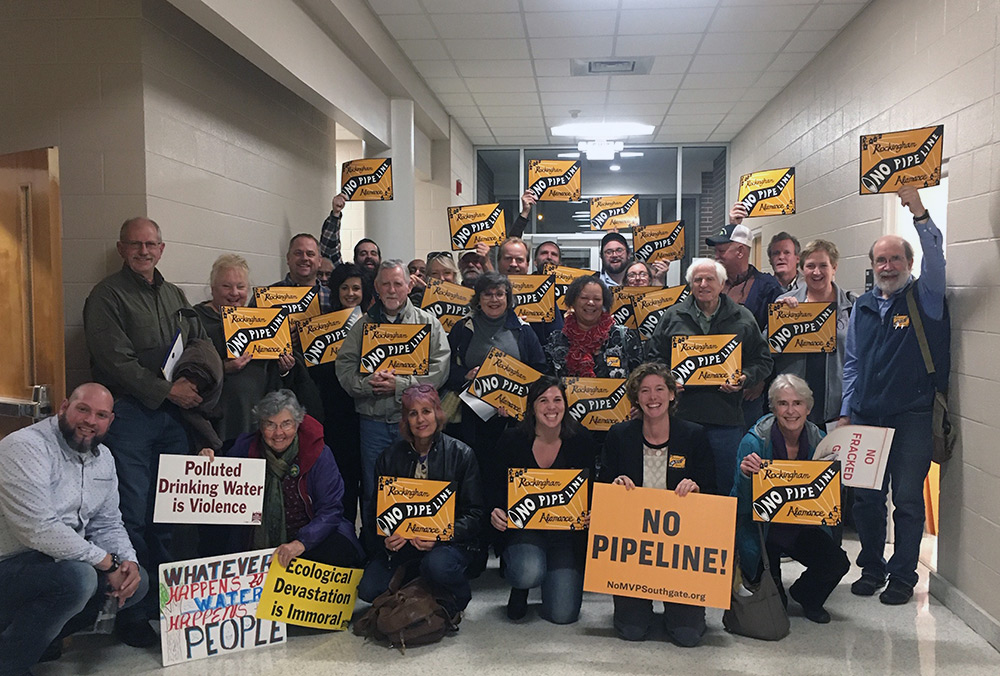
Appalachian Voices is tackling the spread of fracked gas head-on by legally challenging fossil fuel proposals and pushing back against the antiquated policies and rubber-stamping agencies that govern the development of gas infrastructure. We are also partnering with communities in the fight against new fossil fuel infrastructure, providing resources and training to bolster local opposition. And we are pressuring decision-makers to force them to consider the harm to communities threatened by polluting energy development.
And the tide is starting to turn. In July 2020, Duke Energy and Dominion Energy canceled the 600-mile Atlantic Coast Pipeline. The massive fossil fuel project was riddled with problems, starting with the fundamental fact it was not needed to meet energy demand. Standing beside the many communities and organizations that made this historic victory possible, we’re taking this momentum and applying it toward the fight against other destructive, climate-harming projects that threaten community safety, our clean air and water, and that would raise electricity costs for residents.

Sorry, we couldn't find any posts. Please try a different search.
Latest News
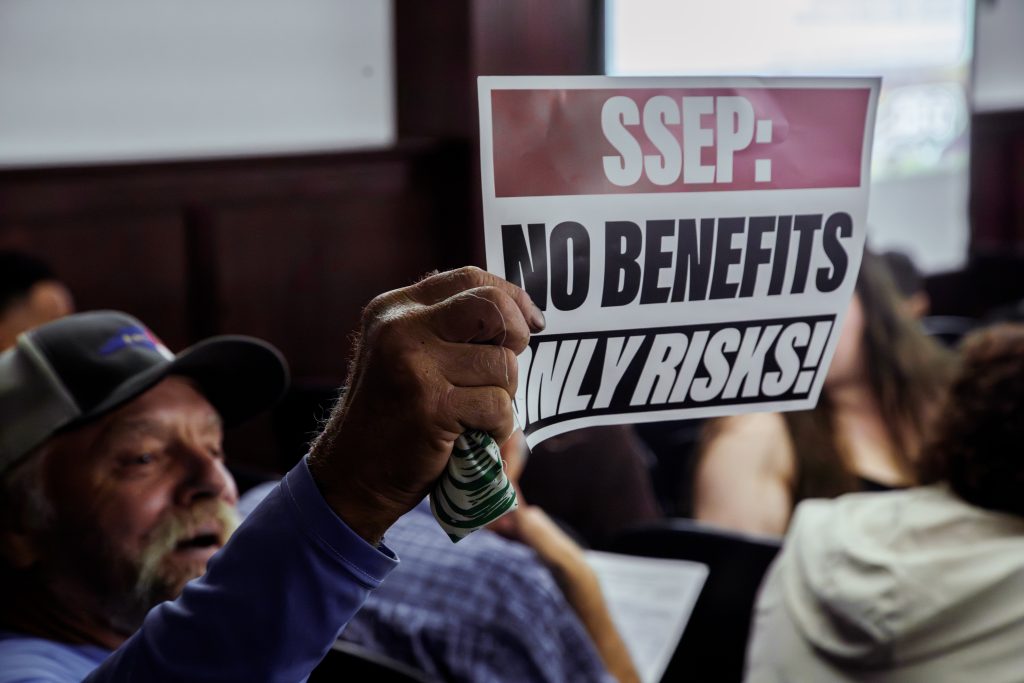
U.S. Army Corps of Engineers approves permit for SSEP pipeline
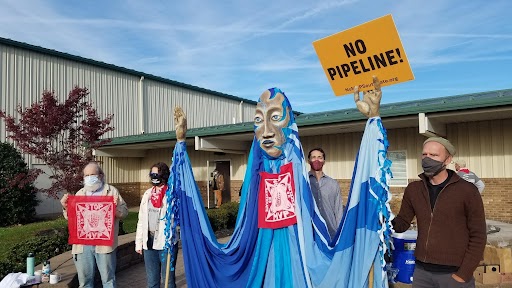
Yesterday, the U.S. Army Corps of Engineers issued a permit for the Southeast Supply Enhancement Project, an interstate pipeline proposed by Transcontinental Gas Pipe Line Company, LLC.
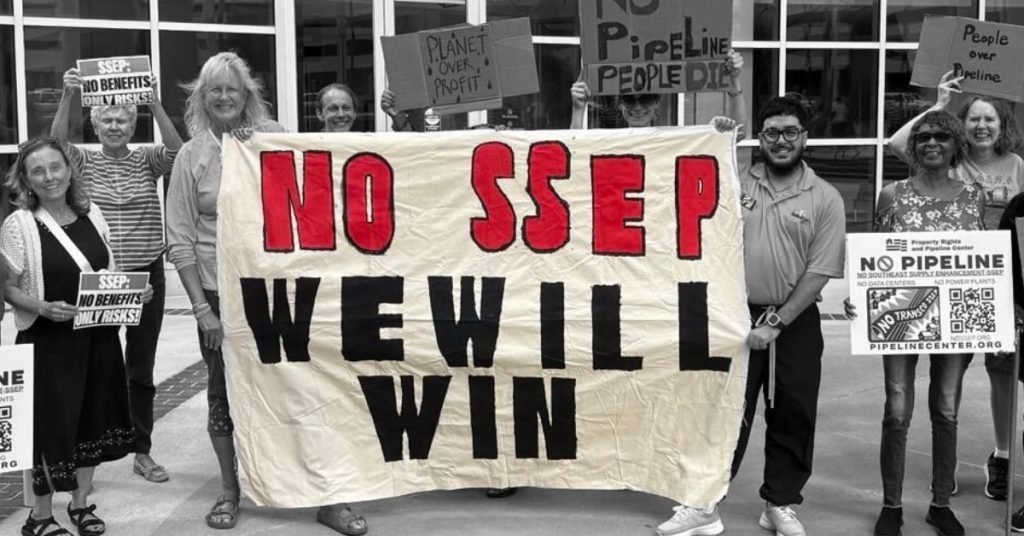
FERC authorizes SSEP pipeline
Yesterday, the Federal Energy Regulatory Commission authorized the dangerous, expensive and unnecessary Southeast Supply Enhancement Project, or SSEP.

Lexington City Council passes resolution expressing concern on Transco’s SSEP
Late last week, the Lexington, North Carolina, City Council passed a resolution highlighting concerns around the proposed Southeast Supply Enhancement Project.

Appalachian Voices’ priorities for the 2026 Virginia General Assembly
Appalachian Voices looks forward to working with Gov.-elect Spanberger and all elected members of the legislature as we advocate for clean energy, strong communities and a healthy environment.
Virginia DEQ approves water permit for controversial MVP Southgate pipeline
On Jan. 13, the Virginia Department of Environmental Quality approved the Virginia Water Protection Permit for Mountain Valley Pipeline, LLC’s methane gas pipeline “Southgate.”
Communities face mounting harms from Mountain Valley Pipeline
The ruinous Mountain Valley Pipeline has been in operation since June 2024, but serious problems persist.