
End Mountaintop Removal Coal Mining

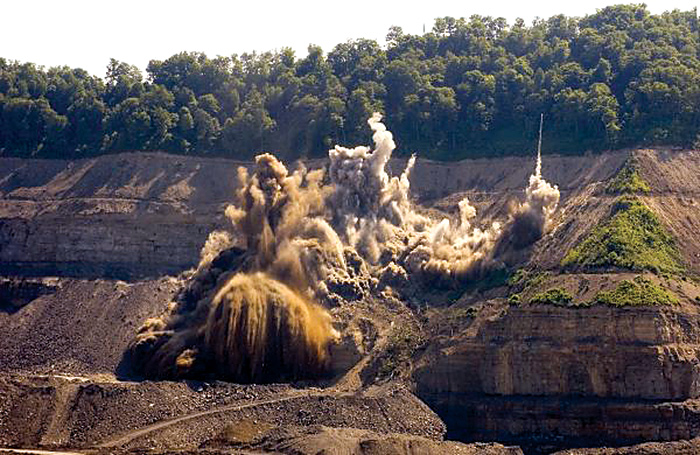
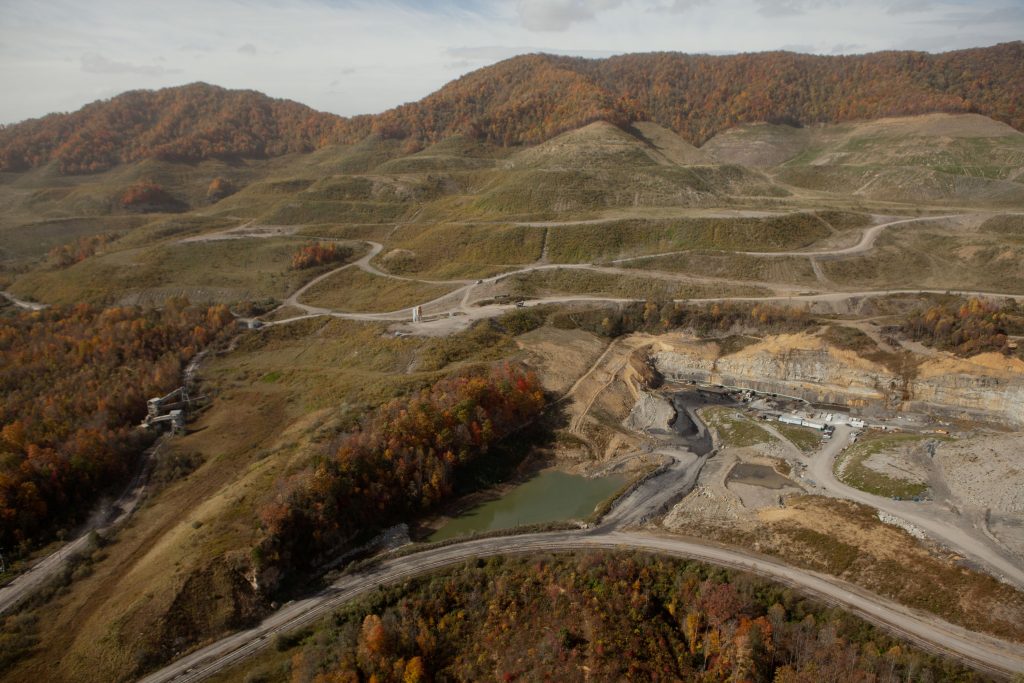
Photo of mountaintop removal mining by Kent Mason
Since the 1970s, the coal industry has blown up more than 500 of the oldest, most biologically rich mountains in America and destroyed more than 2,000 miles of headwater streams. Despite an ongoing citizen movement to end the destruction, and despite the decline in coal, it’s still happening.
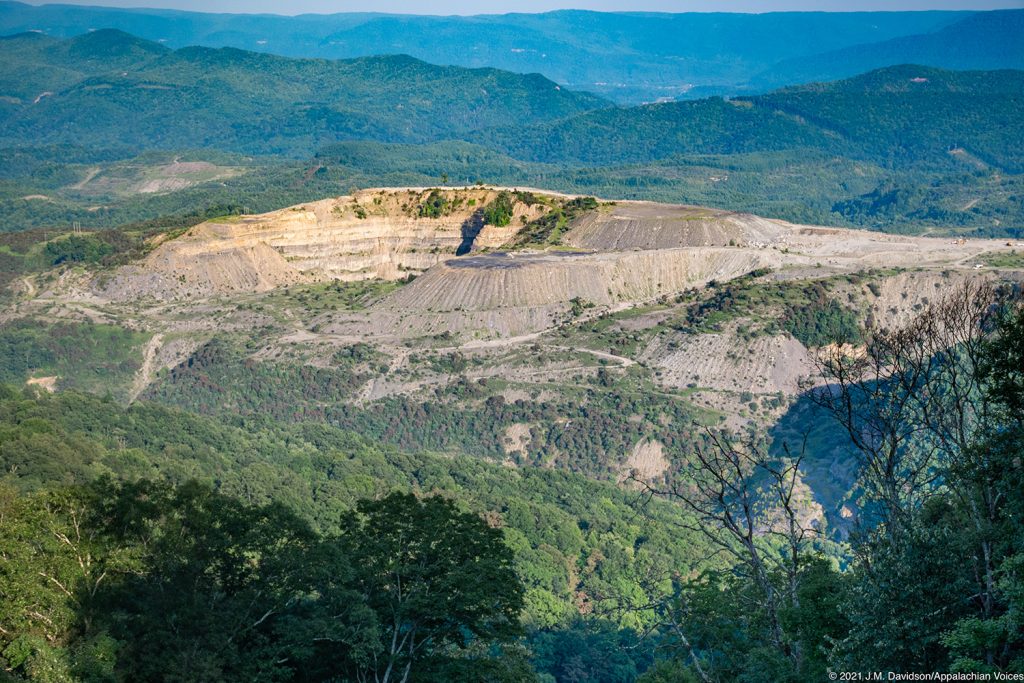
Mountaintop removal coal mining is a destructive form of extracting coal in which companies use heavy explosives to blast off hundreds of feet from an ancient mountain ridge to access thin seams of coal below. The massive amounts of dirt and rubble, what the coal industry calls “overburden,” is dumped into adjacent valleys, burying headwater streams.
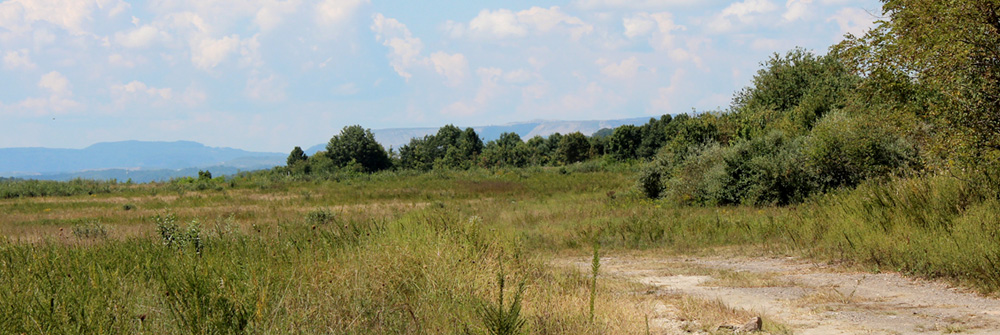
To meet federal reclamation requirements, the mining sites and “valley fills” are often sprayed with non-native grasses, and gravel ditches are built as so-called restored streams. Many sites don’t meet the requirements, and even if they do, these measures do little to prevent toxic contaminants from poisoning the creeks and streams below.
Mountaintop removal has a devastating impact on the region’s economy, ecology and communities. Appalachian Voices is committed to righting these wrongs and protecting the mountains and communities. For more than a decade, we have worked closely with partner groups and citizens in the region, helping establish and guide The Alliance for Appalachia and building a national movement 100,000+ people strong through ILoveMountains.org.
We remain vigilant in our mission to defend the people and natural resources of the Appalachian region, and will raise a hue-and-cry against any regulatory rollbacks.

“I am only one, but I am one. I cannot do everything, but I can do something.”
Edward Hale, 19th century American author
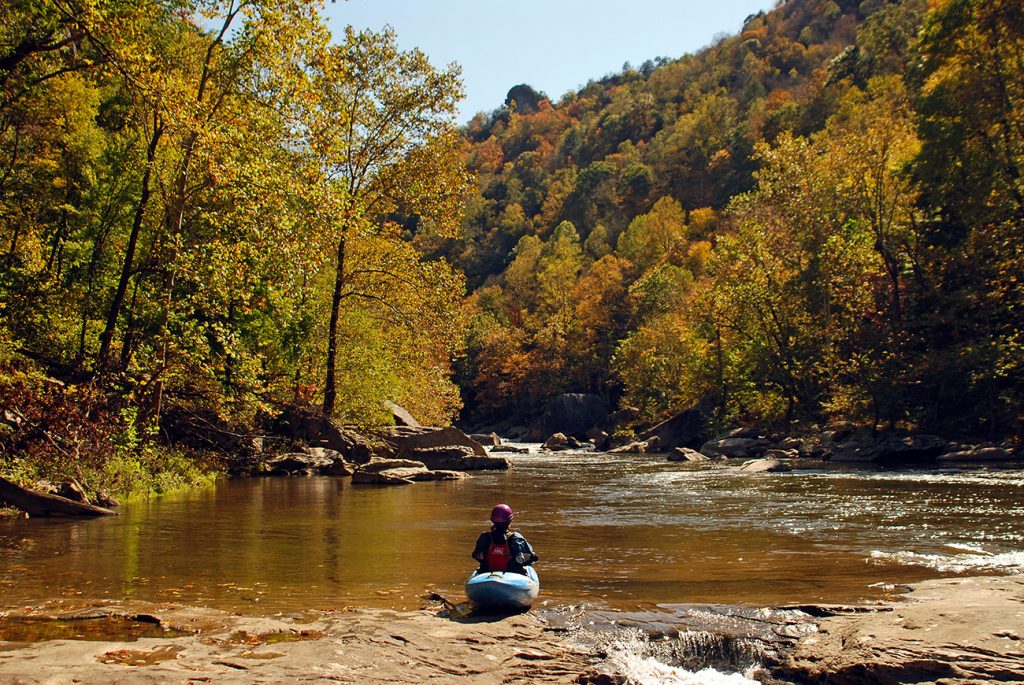
From coal ash pollution to runoff from coal mining, the health of our Appalachia's waterways are threatened.

Latest News
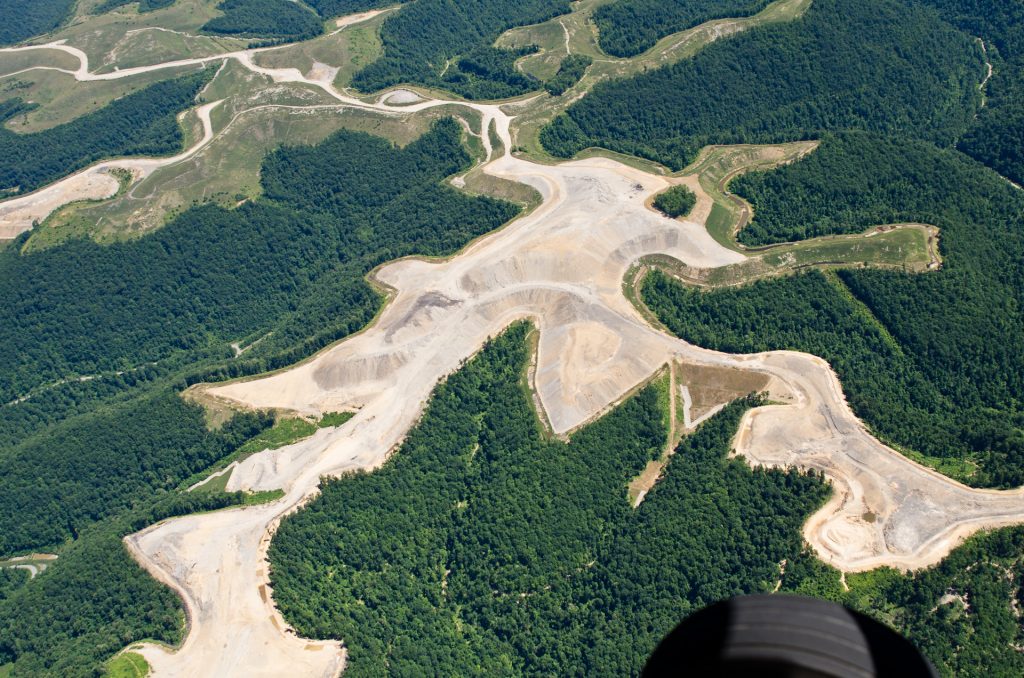
Carbon removal on reforested mine lands: One nature-based solution for two deep challenges
Imagine a landscape that, 10 years ago, was a moonscape mountaintop removal coal mine and is now carefully managed as a large-scale working forest growing trees to capture carbon dioxide from the atmosphere and combat climate change. Appalachian Voices is exploring making this vision a reality in the years to come through a reforestation project that engages with the emerging carbon offset market.
Congress considers bills to address coal mining impacts at June hearing
During a recent U.S. House Natural Resources subcommittee hearing, Erin Savage of Appalachian Voices and two other Appalachian residents testified about acid mine drainage, abandoned mine sites and the impacts of ongoing mountaintop removal coal mining.
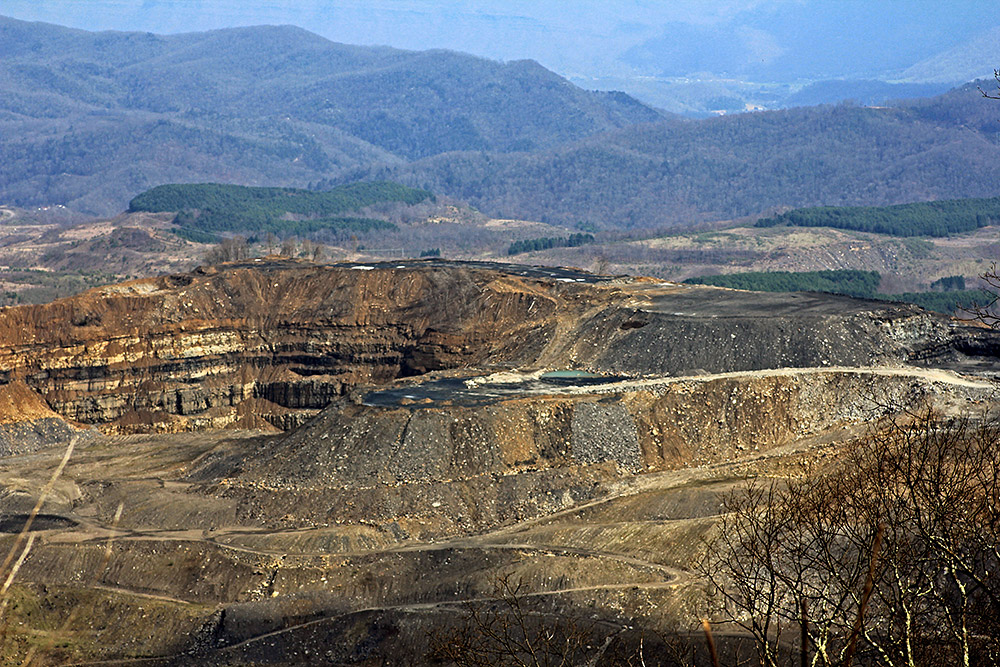
Collapse of the coal industry: Problems and recommendations
Coal mine regulations have not kept up with the industry’s collapse, leaving regulators without the money – or the legal tools – to address growing problems of scarred landscapes and polluted waters.
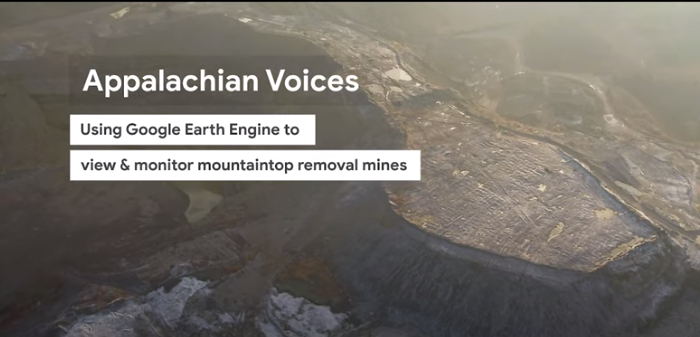
Google Earth teams up with Appalachian Voices
Appalachian Voices teamed up with Google Earth on a video to show how the search engine’s satellite imagery helps us protect the environment.
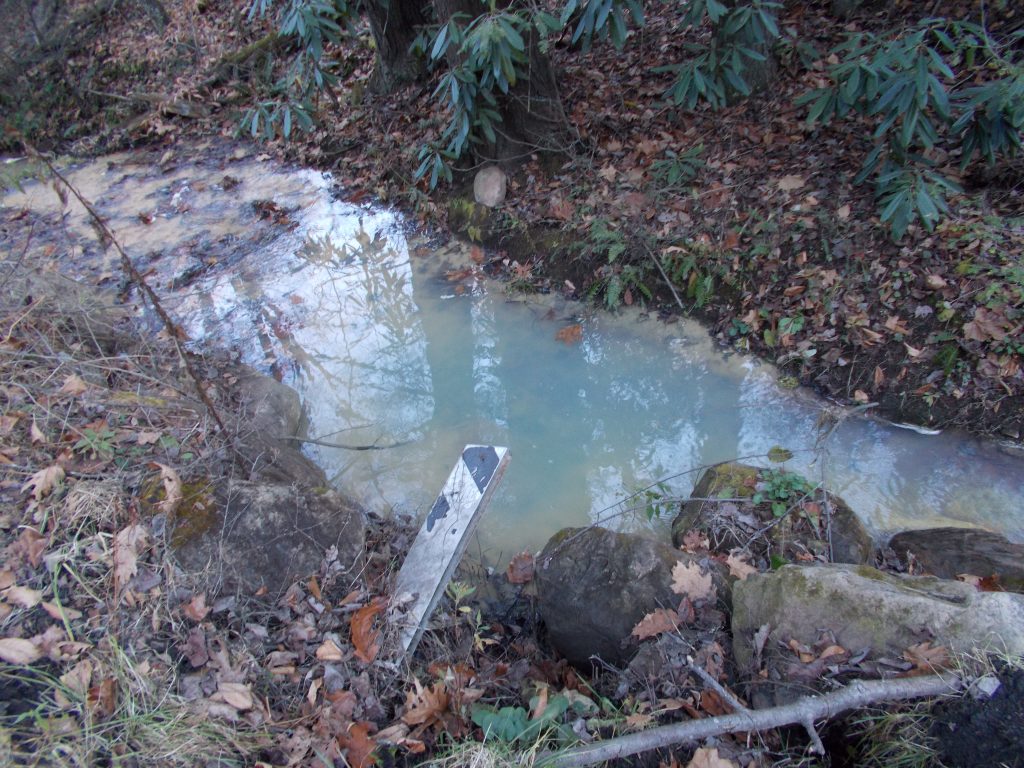
Court rules that coal mines need a permit for water pollution from valley fills
Good news for clean water! Despite a setback in appeals court, overall the Red River Coal Company court ruling will help communities fight back against pollution from mountaintop removal coal mines.
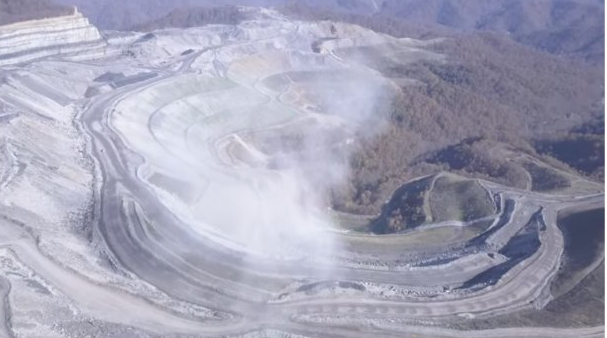
Despite Decline of Coal, Mining Remains Aggressive on Coal River Mountain
Despite a national coal downturn, mining has not slowed much in Raleigh County, West Virginia, where companies have proposed two new mountaintop removal coal mines.