
The Appalachian Voice
Species Invaders
By Maureen Halsema Southern Appalachia is under attack. Half of the imperiled species in the region are at risk from invasive species. Some particularly damaging species include, the hemlock woolly adelgid, the emerald ash borer, the gypsy moth, the tree-of-heaven, and Japanese stilt grass. The hemlock woolly adelgid threatens the majestic hemlock trees in the…
Read MoreProtecting our Public Lands
The Struggle For Conservation Continues Parks and forests seem as American as apple pie and the flag today, so it might be surprising that there was ever any controversy.Yet the early advocates of parks and protected forests were often outraged at the condition of the land that they hoped to protect with a park system.…
Read MoreAcross Appalachia Shorts
Kentucky Institutes Task Force on Biofuels A task force on biofuels and biomass appointed by Kentucky Governor Steve Beshear held their first meeting in September. The group was formed as part of Kentucky’s recent energy initiative, titled “Intelligent Energy Choices for Kentucky’s Future.” The group hopes Kentucky can produce enough biofuel by 2025 to cover…
Read MorePrize-Winning Prose to be Performed at NC Stage
Peter Neofotis is an extraordinary storyteller. He does more than narrate; he embodies every syllable of his well-crafted prose, which centers on a small town in the mountains of Virginia. He navigates characters, drama and flashbacks with grace and brings life to an entire town through the personalities and personal histories of its people. But,…
Read MoreCoping With Contamination
Stories by Sierra Murdoch Maria Lambert Sand Lick, W. Va. Maria Lambert was born in the coal camps at the head of Prenter Hollow. When she moved down the road to Sand Lick in 2000, her father drilled a well. He tested the water and found it safe to drink. In 2003, Massey Energy began…
Read MoreMoratorium Declared on New Slurry Injection Permits
Story by Sarah Vig In a partial victory for citizens and environmental groups opposed to the process, the West Virginia Department of Environmental Protection declared a two-year moratorium on new permits for disposing of coal slurry by injecting it into abandoned mines. Coal slurry is a byproduct of coal preparation, a mixture of fine coal…
Read MoreNew River Expedition Sees Both Beauty and Problems
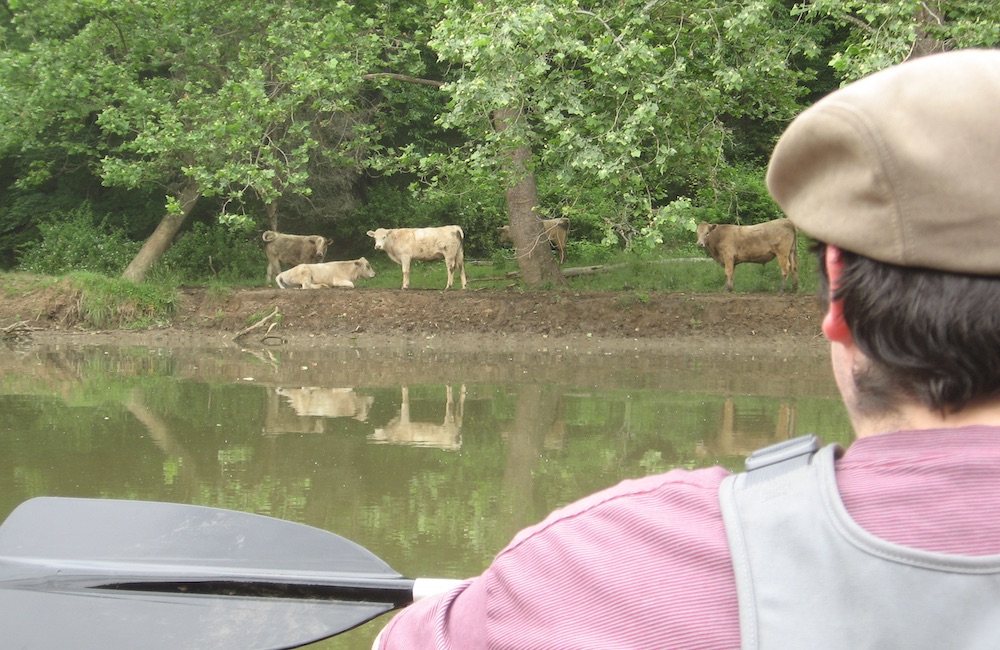
By George Santucci, Executive Director National Committee for the New River We started talking last year about a complete trip down the New, from Watauga County, N.C., all the way to the confluence in West Virginia, to celebrate the river’s 10 years with the American Heritage designation. At times we feared we’d bit off more…
Read MoreFirst Colonists Were No Strangers To Drought
Excerpt from a new book: Heart of Dryness / By James G. Workman. Visit www.heartofdryness.com – – – – – – – – – – – – – – – “New hard evidence, accumulated from tree ring data and pollen counts, suggests that devastating droughts have shattered human settlements, dating back to when people first…
Read MorePrivate Wells Raise Concerns for Public Health
Story by Sarah Vig You would think for small, rural communities in central Appalachia, water from a private well—available at the fairly low cost of maintaining a well and without the hassle of a monthly bill—would be a blessing. And if it weren’t for mining operations, slurry injections, radon-rich aquifers, and an often poorly managed…
Read MoreAcross Appalachia Shorts
Will Harlan Runs 72 “Miles for Mountains” The same day members of the Alliance for Appalachia waited in the halls of Congress for the Senate hearing on the Appalachia Restoration Act (S 696) to begin, iLoveMountains.org supporter Will Harlan ran 72 miles along the TN-NC border to raise awareness about the campaign to end mountaintop…
Read More