

Moratorium Declared on New Slurry Injection Permits
Story by Sarah Vig

Members of the Sludge Safety Project successfully argued for a reconsideration of slurry injection and, so far, have partially stopped the practice. Photo by Vivian Stockman
In a partial victory for citizens and environmental groups opposed to the process, the West Virginia Department of Environmental Protection declared a two-year moratorium on new permits for disposing of coal slurry by injecting it into abandoned mines.
Coal slurry is a byproduct of coal preparation, a mixture of fine coal particles and water, as well as the chemicals used to remove impurities from the coal before it is sold.
Three citizen groups in West Virginia, the Ohio Valley Environmental Coalition, Coal River Mountain Watch and Concerned Citizens in Mingo County, formed the Sludge Safety Project (SSP) to spread awareness about what they see as insufficient regulation.
After many hours of citizen lobbying, the state legislature asked the DEP to evaluate environmental and public health ramifications of coal slurry injection.
Once the DEP released its report, a moratorium was declared on new injection permits, although 13 currently operating slurry injection sites will be allowed to continue.
Though SSP sees the study itself and the temporary moratorium as a step in the right direction, the group doesn’t feel the DEP has gone far enough.
“The solution the DEP has come up with is inadequate,” said Maria Lambert, a representative for SSP. “People are going to be left with the same health issues for as long as companies are allowed to inject slurry under existing permits.”
“There is one solution to fixing the problem of coal slurry contamination in West Virginia,” Lambert stated in response to the DEP’s announced plans, “a ban on all slurry.”
Related Articles
Latest News
More Stories

Increasing Human-Bear Conflict Prompts Legislation, Need for More Public Awareness
Experts report human-bear conflicts are on the rise in Western North Carolina, East Tennessee and other parts of the country due to an increasing bear population, development encroaching on bear habitat and other factors.

Planting for the Grandkids
Gardening from memory is getting trickier in Appalachia as hardiness zones change. Some areas, like parts of Asheville, Knoxville and Johnson City, have shifted full hardiness zones since 1990. An arborist explains what this shift means for the trees you plant this fall, and for the grandchildren who’ll live with them.

Ridgeline Pipeline Construction Impacts in Rural East Tennessee
Neighbors share concerns about noise, unpredictable construction schedules and other disruptions due to methane gas pipeline construction in East Tennessee.
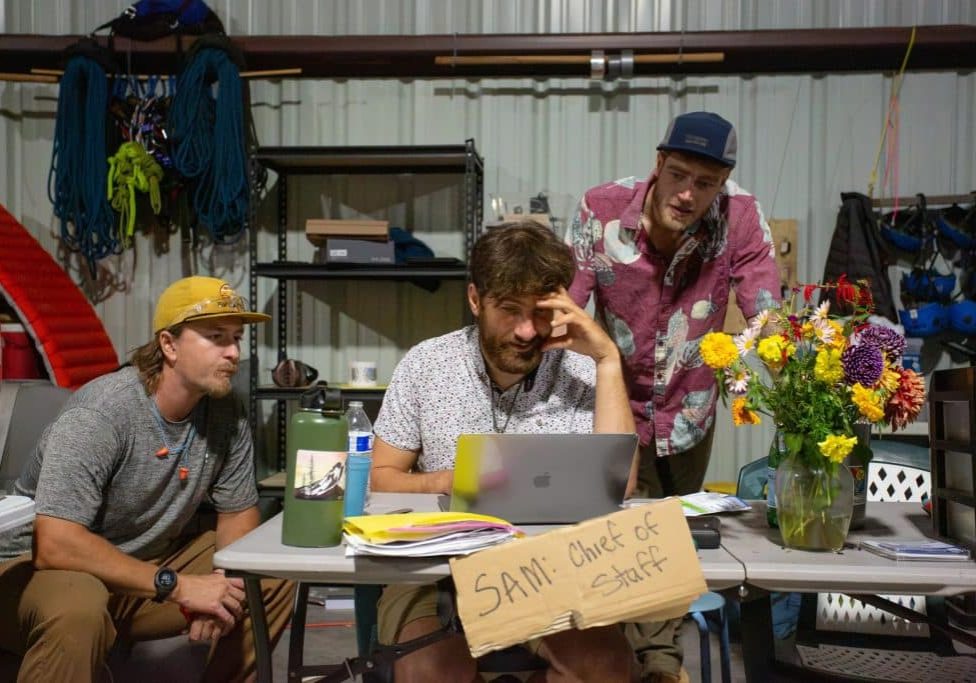
Neighbors Help Neighbors
A photo essay that celebrates the volunteer spirit of the grassroots group Hurricane Helene WNC and speaks to the resourcefulness, collaboration and hard work embodied by thousands and thousands of volunteers, first responders and aid workers across the region after Hurricane Helene.

Halloween Approaches, and Night School Is in Session
The House of Art in Bluefield, West Virginia, looks like a haunted tower, making it the perfect location for its sixth annual haunt event: Night School. The Night School will be open every Friday and Saturday night through Oct. 31.
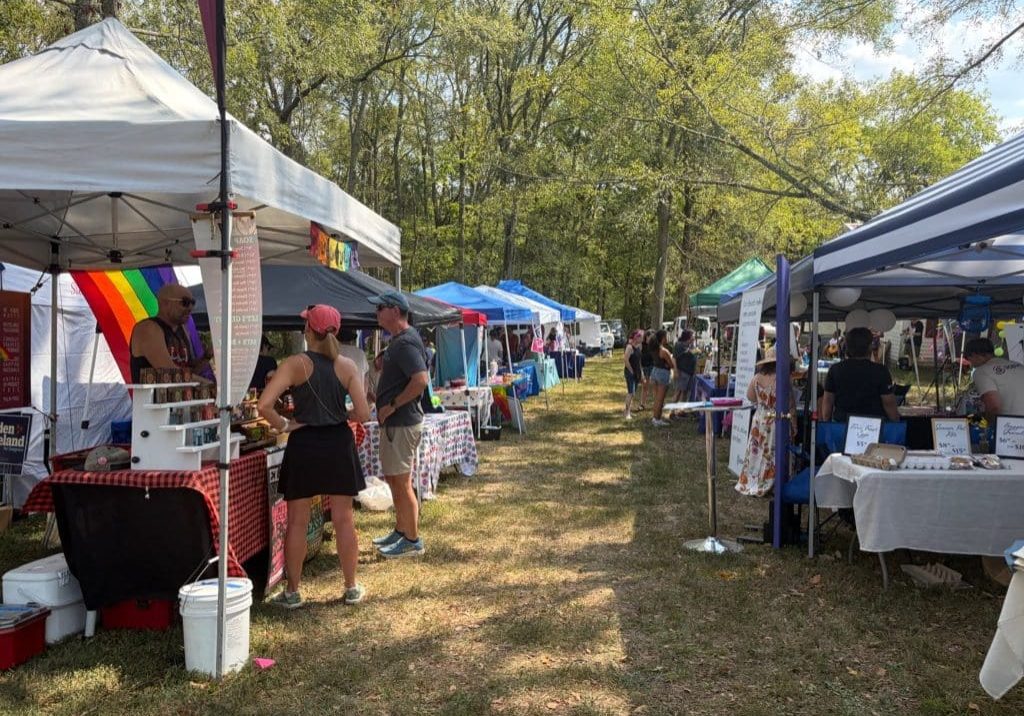
‘The Most Perfect Act of Love’
Hundreds of people attended the second annual Affirming Sumner Pride celebration on a 24-acre farm dubbed “Fruity Farm” in Bethpage, Sumner County, Tennessee.

Leave a comment
Your email address will not be published. Required fields are marked *
Leave a Comment