

USDA: Label Fuels Continued Controversy
By Bill Kovarik

Experts call for stronger standards for organic labeling process. Photo by USDA.
The USDA certified “Organic” label first appeared on foods in 2002 following 12 years of testing, rulemaking and controversy. By last year, organic agriculture had become a $26.6 billion business, growing at a rate of 5.3 percent per year – five times faster than regular foods.
As its importance has grown, so too has controversy over what can be appropriately labeled “organic.”
According to USDA standards, at the very least, certified organic fruits and vegetables must be grown without chemical pesticides, herbicides or fertilizers. Organically grown livestock must have access to pasture and not given antibiotics or growth hormones.
The agency charged with keeping these rules is the U.S. Department of Agriculture’s National Organic Program, and its performance has been widely criticized.
For example, 65 major recommenda- tions made by a volunteer expert advisory committee over the past eight years were completely ignored by USDA, leaving the decisions to private organic certifiers who created a confusing patchwork system of standards, according to critics.
In a March 2010 audit of the organic program, the USDA inspector general’s office said that the National Organic Program (NOP) didn’t even have a regular way to communicate with these advisors.
The report also noted that organic product tests had not been done by the NOP, and that complaints had been poorly handled.
In one case, petroleum- based hexane was used in organic infant formula, despite NOP staff objections, according to an investigation by the Washington Post in 2009.
Critics point out that there is a wider problem.
“Spotty enforcement…has enabled a number of giant factory farms engaged in suspect practices to place ethical family farmers at a competitive disadvantage, particularly in organic dairy, beef and egg production,” said Will Fantle, research director at the Cornucopia Institute, a Wisconsin- based organics watchdog group.
One of the ongoing points of contention has been with confined animal farming operations (CAFOs). Some large dairy farms have been interpreting the organic requirement that cows have “access to pasture” as a minimal requirement, keeping organic dairy cows in pens most of the time.
The USDA has addressed this by establishing new standards on pasturing organic beef and dairy cattle that will take effect June 17.
The standards are needed, says Jim Lucas of the Southern Sustainable Agriculture Working Group. “It’s the linkage between farm production and the customer, and sometimes it comes down to a label,” he said.
“But we have to remember that it’s the relationship that’s really important, whether it’s organic produce or [community supported agriculture programs] or farm stands,” Lucas said. “The important thing is that there is a more direct connection between the consumer and the farmer.”
Related Articles
Latest News
More Stories
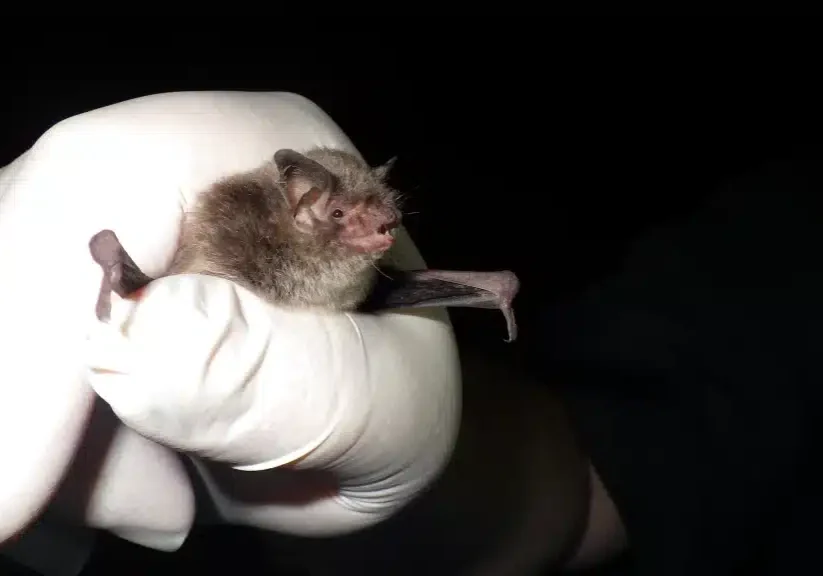
Signs of Life
In the Nantahala National Forest, a team of biologists spotted Indiana bats, an endangered species that hasn’t been seen in North Carolina for the last 11 years.
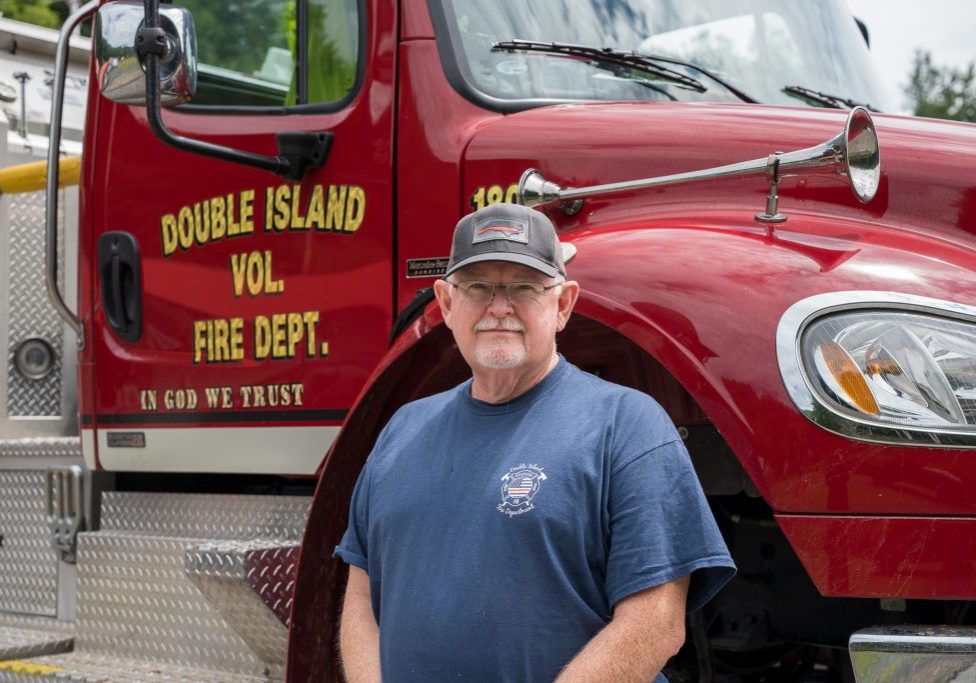
‘First Line of Defense’
During Hurricane Helene and its aftermath, rural fire departments and other first responder hubs played critical roles in keeping their communities safe, even without power and cut off from outside support for days or weeks after the storm. Two years later, plenty of work remains to ensure these hubs have the resources they need to operate day to day and be ready when emergencies or natural disasters strike.
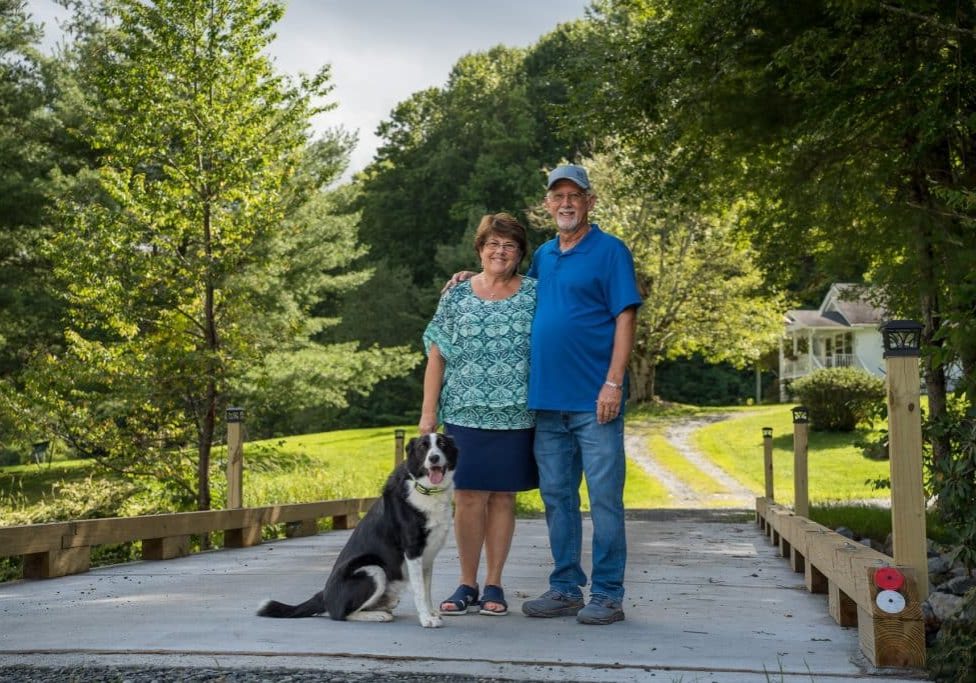
The Rocky Road — and Bridge — to Recovery
Hurricane Helene is estimated to have damaged nearly 7,000 private roads and bridges in Western North Carolina. Two years later, many restoration projects are complete, but the journey hasn’t been easy — and isn’t over for others.
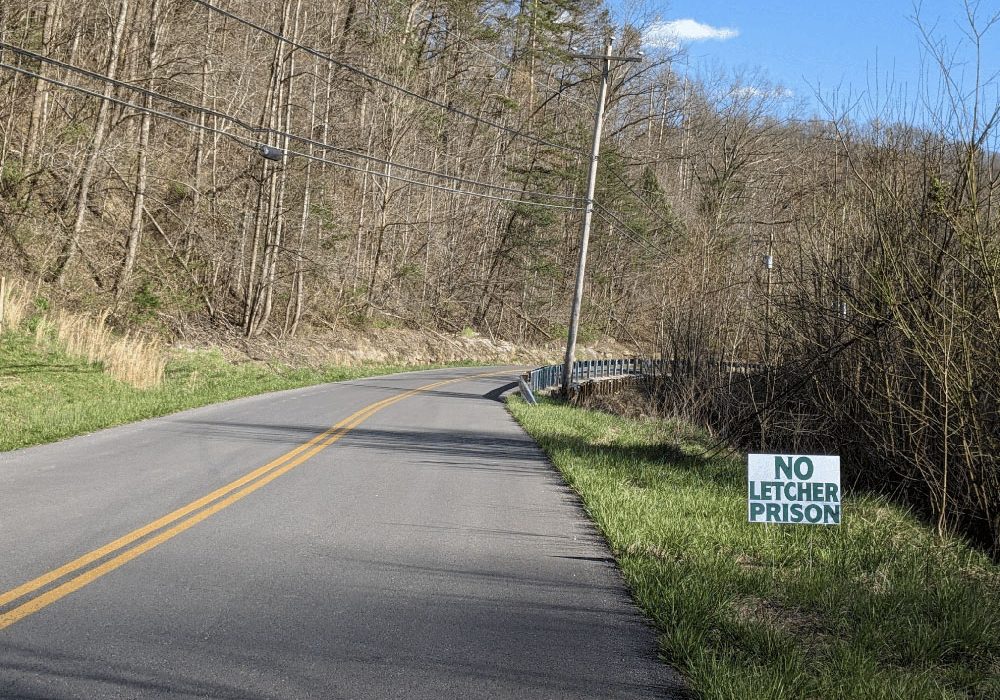
After 20 Years, Letcher County Prison Proposal Is Still Alive, Though Obstacles Remain
A $605 million proposal for a federal prison on a former strip mine site in Letcher County, Kentucky, championed by U.S. Rep. Hal Rogers, refuses to die, despite local opposition, a lack of support from the executive branch and numerous other obstacles.
The Washout and Rebuild
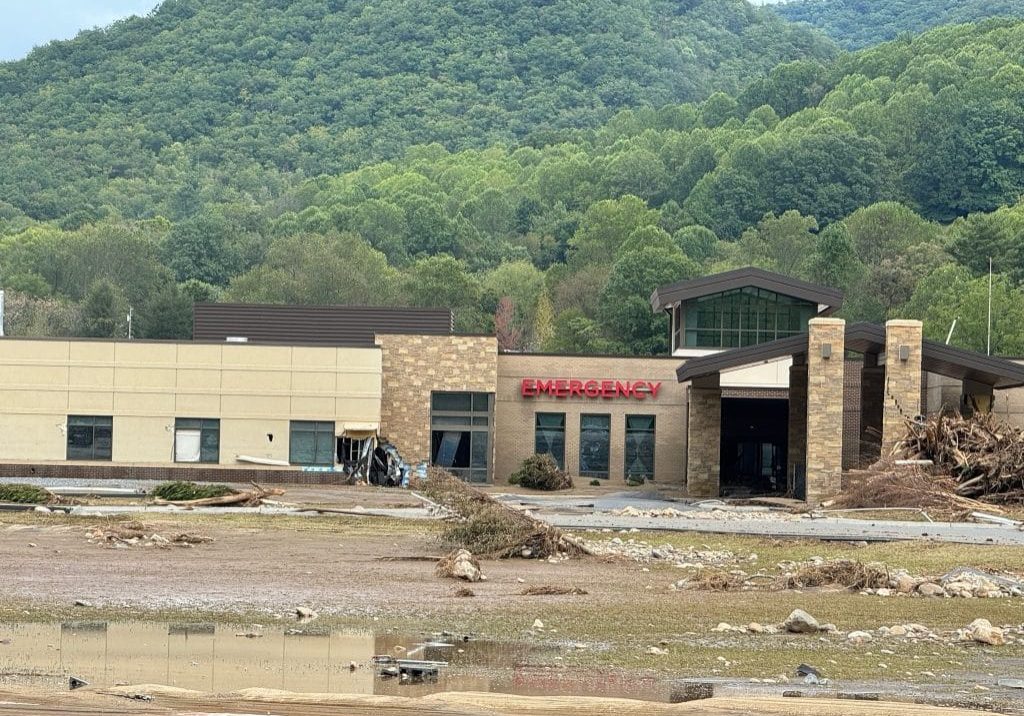
For nearly two years, residents of Unicoi County, Tennessee, have had to make do without a hospital after Hurricane Helene destroyed the rural hospital. Ballad Health, which owns the hospital, broke ground on a new location — in another floodplain — in August 2026.
The Shenandoah Salamander
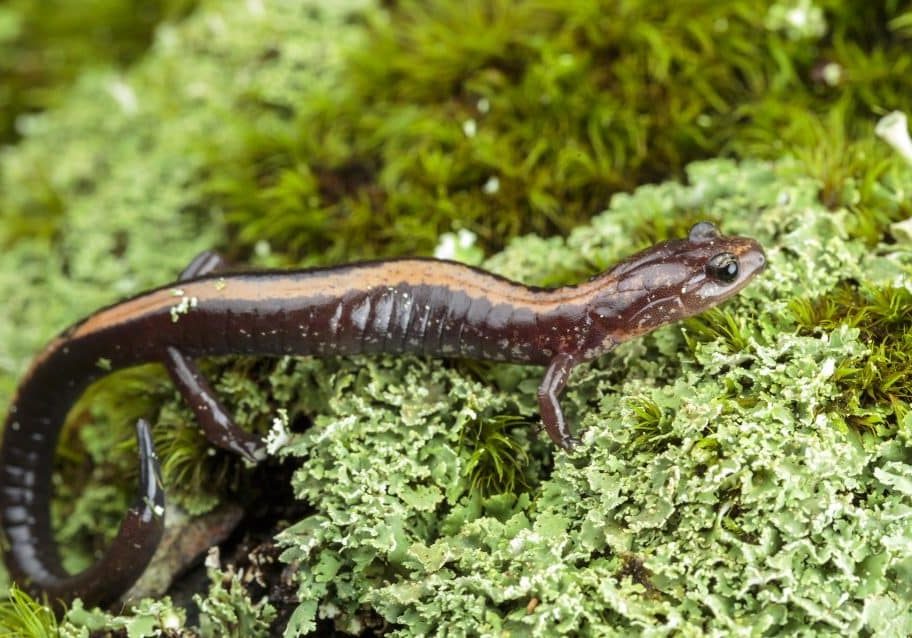
The Shenandoah salamander is a woodland salamander, which has adapted to life at higher elevations away from water. This sparkling rarity lives among the dry leaves, cracked logs, and stony hillocks on the highest peaks of Shenandoah National Park.

Leave a comment
Your email address will not be published. Required fields are marked *
Leave a Comment