

Feed Your Lawn: Composting for Beginners
By Maureen Halsema
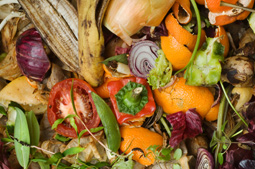
Send scraps to the compost pile.
Instead of tossing those table scraps in the trash, try feeding your lawn those leftovers. Composting is a natural recycling process that takes little to no management. Follow these quick guidelines to a hardier, healthier lawn.
Bacteria, worms, fungi, protozoans and other microorganisms break down the plant and animal matter into nutrient-rich compost that improves soil structure, mitigates erosion and increases water-holding capacity and aeration, making your plants more resilient.
Compost can help plants develop a greater resistance to pathogens, while reducing the need for chemical fertilizers and pesticides.
This easy-to-make concoction also helps to reduce your trash heap and ultimately the amount of waste that ends up in landfills.
To begin, select an accessible spot in your lawn approximately three feet in diameter. Use a ready-made compost bin, build a fence around the area or even just designate a spot and build your pile.
Caging your compost can help keep it out of the paws of oppossums, raccoons and other scavengers.
“Put the compost site somewhere that some smells can be tolerated, especially if you are going to be more hands off about it,” said Dr. Sean Clark, associate professor of agriculture and natural resources at Berea College.
Start adding ingredients; a combination of green materials, like vegetables, and brown materials, like woodchips, makes for the best compost. There is no set recipe for composting, however; every pile is a unique conglomeration of biodegradable products.
There are a couple of ways to maintain your compost heap. All of these steps are optional; the only required maintenance is ensuring that you have the right amount of moisture. Some signs of imbalanced moisture may include foul odors, which could signify that the pile is too wet or that there may be an excess of green material. Turn the pile and add more dry material—crisis averted!
Stirring compost helps to mix up the materials, aerating them and facilitating microbial growth. To stir compost, use a pitchfork or a shovel.
“The more you aerate the pile, the less likely it is that you will have those bad smells,” Clark said.
Another way to curb unwanted odors is to put a layer of sawdust on top or add some bulky materials, like wood chips.
There are two simple ways to compost: hot and cold.
“The biggest difference between the two would be time required for decomposing and the fact that without generating that heat, you are less likely to kill plant and human pathogens and weed seeds,” Clark said.
Cold composting: Simply add materials and let it mature for six months to two years, the microorganisms will do the work. Keep your eye on moisture levels and remember
that the bottom of the pile will mature first.
Hot composting: This pile can be ready for use in less than two months, but it’s advisable to let it mature longer because quick compost does not have time to cultivate a diverse microbial population.
To hot compost, build up the pile to about 9 cubic feet. A pile of this size helps maintain an elevated temperature, because the microorganisms exert heat as they metabolize your composted items.
To measure the temperature, dig a small hole in the center of the pile; it should be warm to the touch. For greater precision, use a stem thermometer. The pile should reach 140 ̊ to 160 ̊ F.
It’s recommended to stir compost on a weekly basis and, as with cold composting, keep an eye on the moisture levels. When the compost has cooled, and you can no longer differentiate grass clippings from eggshells, it is ready to be used.
So, cut down on waste and give your lawn that second helping; it may behungry for some composted nutrients.
Related Articles
Latest News
More Stories

Signs of Life
In the Nantahala National Forest, a team of biologists spotted Indiana bats, an endangered species that hasn’t been seen in North Carolina for the last 11 years.

‘First Line of Defense’
During Hurricane Helene and its aftermath, rural fire departments and other first responder hubs played critical roles in keeping their communities safe, even without power and cut off from outside support for days or weeks after the storm. Two years later, plenty of work remains to ensure these hubs have the resources they need to operate day to day and be ready when emergencies or natural disasters strike.

The Rocky Road — and Bridge — to Recovery
Hurricane Helene is estimated to have damaged nearly 7,000 private roads and bridges in Western North Carolina. Two years later, many restoration projects are complete, but the journey hasn’t been easy — and isn’t over for others.
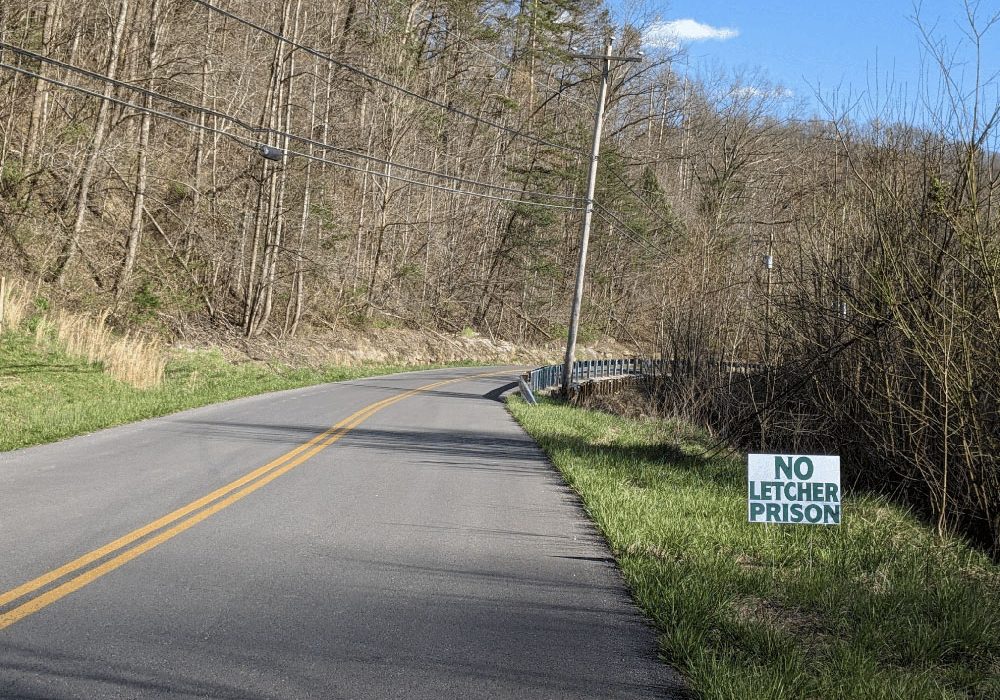
After 20 Years, Letcher County Prison Proposal Is Still Alive, Though Obstacles Remain
A $605 million proposal for a federal prison on a former strip mine site in Letcher County, Kentucky, championed by U.S. Rep. Hal Rogers, refuses to die, despite local opposition, a lack of support from the executive branch and numerous other obstacles.

The Washout and Rebuild
For nearly two years, residents of Unicoi County, Tennessee, have had to make do without a hospital after Hurricane Helene destroyed the rural hospital. Ballad Health, which owns the hospital, broke ground on a new location — in another floodplain — in August 2026.
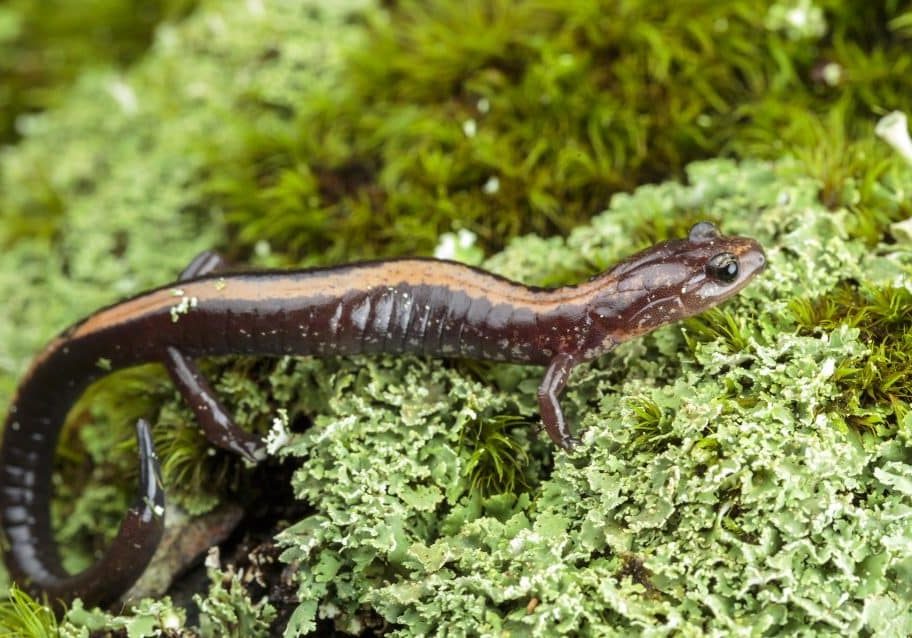
The Shenandoah Salamander
The Shenandoah salamander is a woodland salamander, which has adapted to life at higher elevations away from water. This sparkling rarity lives among the dry leaves, cracked logs, and stony hillocks on the highest peaks of Shenandoah National Park.

Leave a comment
Your email address will not be published. Required fields are marked *
Leave a Comment