
The Appalachian Voice
Rescuing the Red Spruce Ecosystem
After a hike up a mountain, Andrea Brandon gently places a red spruce sapling into the rich West Virginia soil. Though only twelve inches tall, this small tree and others like it are a promising start to the restoration of an entire ecosystem.
Read MoreDr. Fred Hebard: Resurrecting the American Chestnut
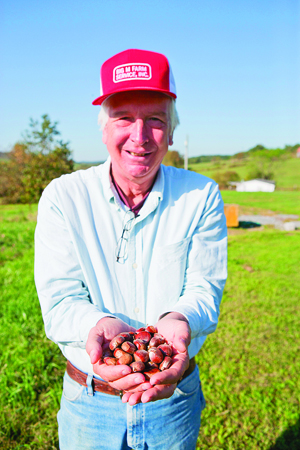
By Kimber Ray More than one hundred years ago, benevolent giants flourished in North America’s eastern forests from Maine to Mississippi, reaching up to ten stories tall and broader than the widest embrace. By the time Dr. Fred Hebard was born in 1948, this towering population of American chestnut trees was decimated. But as chief…
Read MoreThe Truth About Coal Ash
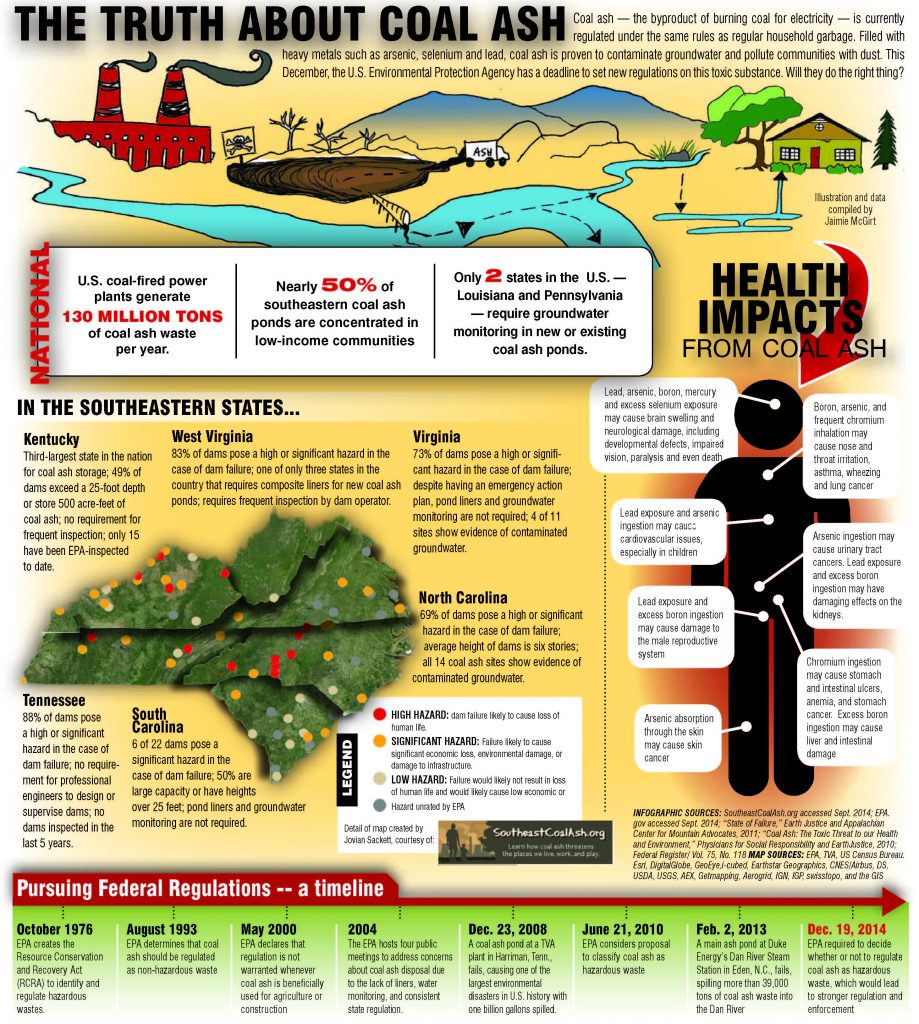
Coal ash — the byproduct of burning coal for electricity — is currently less regulated than regular household garbage. Filled with heavy metals, coal ash is proven to contaminate groundwater and pollute communities with dust.
Read MoreEducating Youth Takes Flight with the Snowbird Youth Center
Children beamed in Robbinsville, N.C., as the Cherokee chief cut the ribbon at the opening ceremony of the Snowbird Youth Center in July, which marked the first time since forming in 2002 that the Snowbird youth group will have a building to call their own. The new space is expected to boost efforts in preserving traditional heritage among the Eastern Band of Cherokee Indians’ Snowbird community.
Read MoreDavis Wax: A Spirit of Service in the Mountains
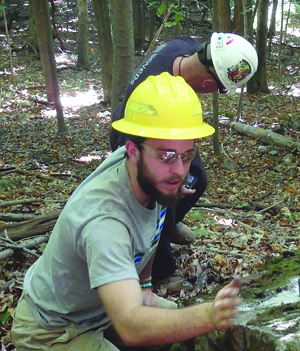
A former editorial intern with The Appalachian Voice, Davis is as comfortable writing an article about electricity transmission as he is teaching diverse groups of new volunteers the ins and outs of trail building.
Read MoreCompensation Remains Elusive After Elk River Chemical Spill
By Kimber Ray Prospects of a full cleanup are uncertain at the site of a chemical leak that contaminated the drinking water of 300,000 West Virginia residents last January. Freedom Industries in August submitted a proposal to the state bankruptcy court outlining its intention to abandon the site that housed the culpable chemical storage tank…
Read MoreSeleni-what?
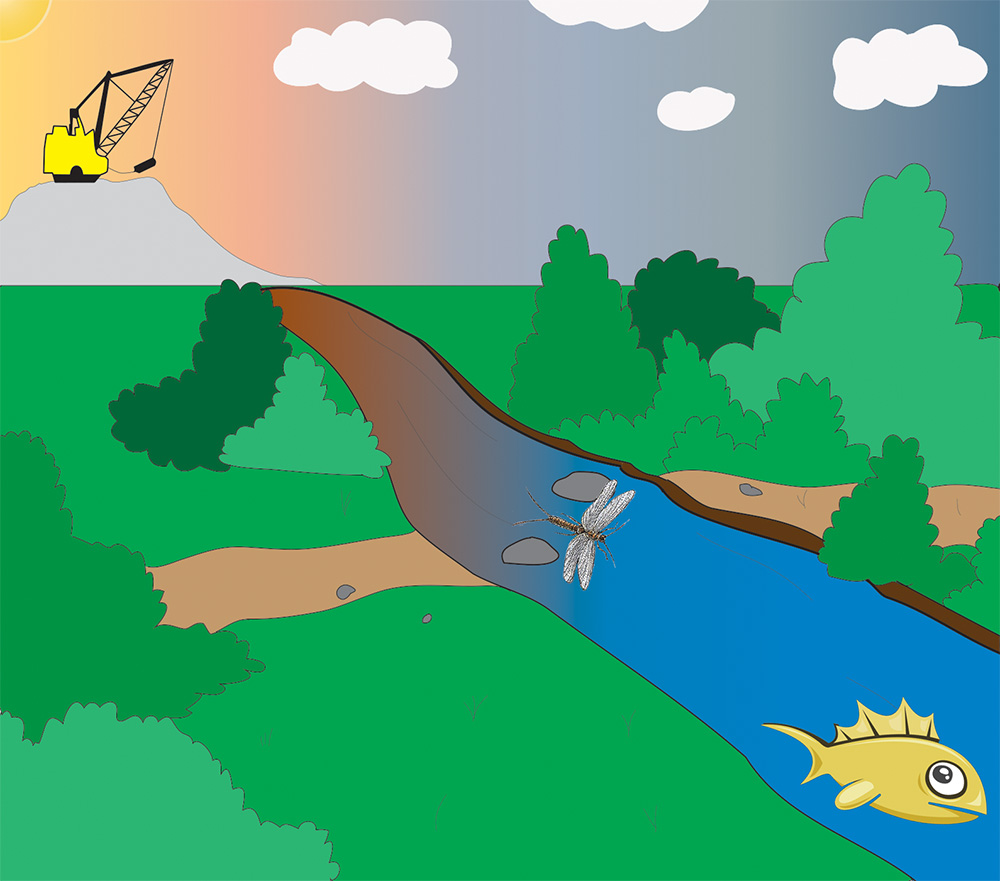
Most people have probably never heard of selenium, but for coal operators and fish it’s a big deal. Appalachian Voices’ water quality expert takes a moment to explain the issues surrounding this mineral — necessary in small amounts but toxic to aquatic life even at very low levels — and the EPA’s controversial attempts to regulate it.
Read MoreSeeding Dreams with Self-Esteem
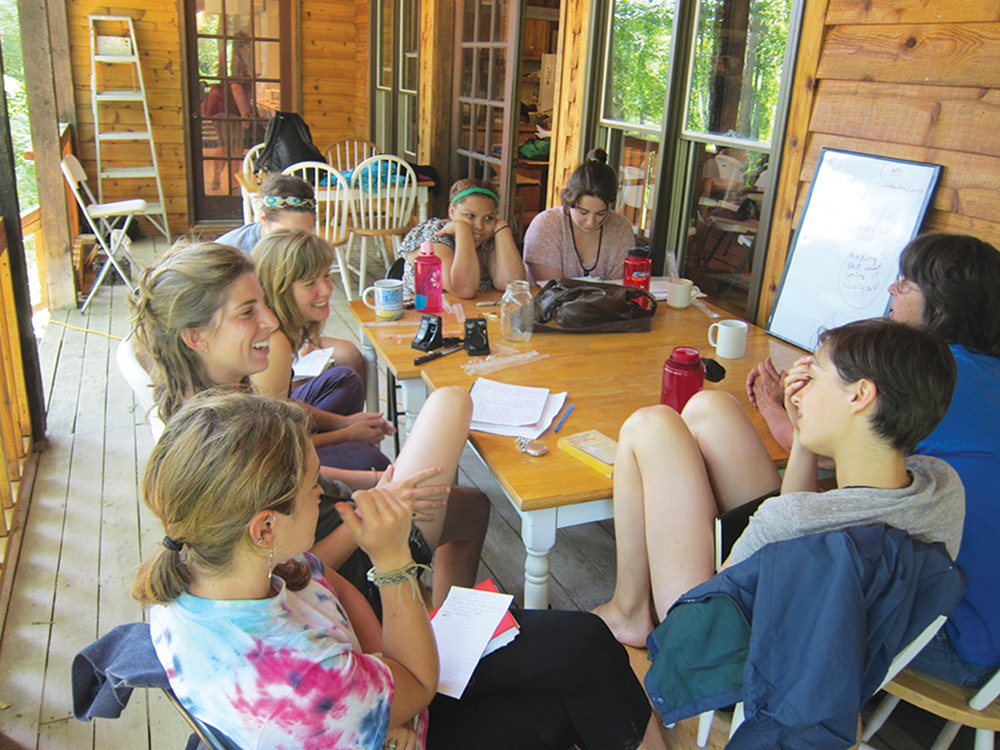
Through educational advancement and hands-on training, two programs strive to build new opportunities for girls and women in rural Appalachia.
Read MoreExploring Mountain Bogs

Although mountain bogs represent less than one percent of the southern Appalachian landscape, they are pockets of immense ecological and practical importance and provide a haven for many rare plants and animals.
Read MoreFull Disclosure?
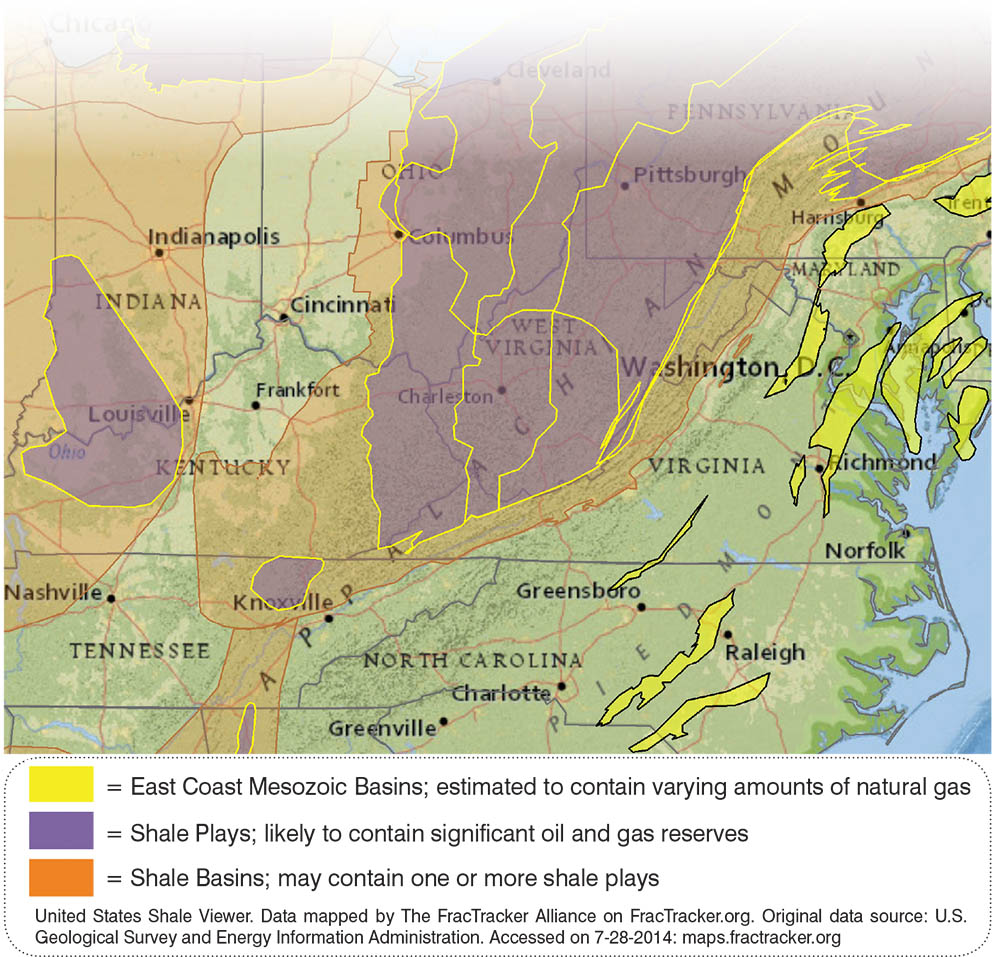
As North Carolina considers its first natural gas drilling rules, a survey of the region shows how states are — and aren’t — regulating fracking.
Read More