
The Appalachian Voice
WV Wetlands Welcome Extra Funding
West Virginia wetlands received a flood of good fortune, thanks to a $700,000 grant awarded to the state Department of Natural Resources this October.
Read MoreFormer Massey CEO Don Blankenship indicted for fatal Upper Big Branch mine explosion
In November, former Massey Energy CEO Don Blankenship was indicted on four charges in conjunction with the April 2010 explosion that killed 29 miners at the company’s Upper Big Branch mine. He pleaded not guilty.
Read MoreKevin Price: A Small Businessman, With Soul
Southeast Solar Updates
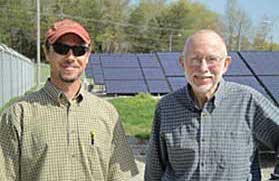
Catch up on regional solar news, from an experimental solar power plant to community solar initiatives to good and bad state policies.
Read MoreEntrepreneur Banks on the Sun
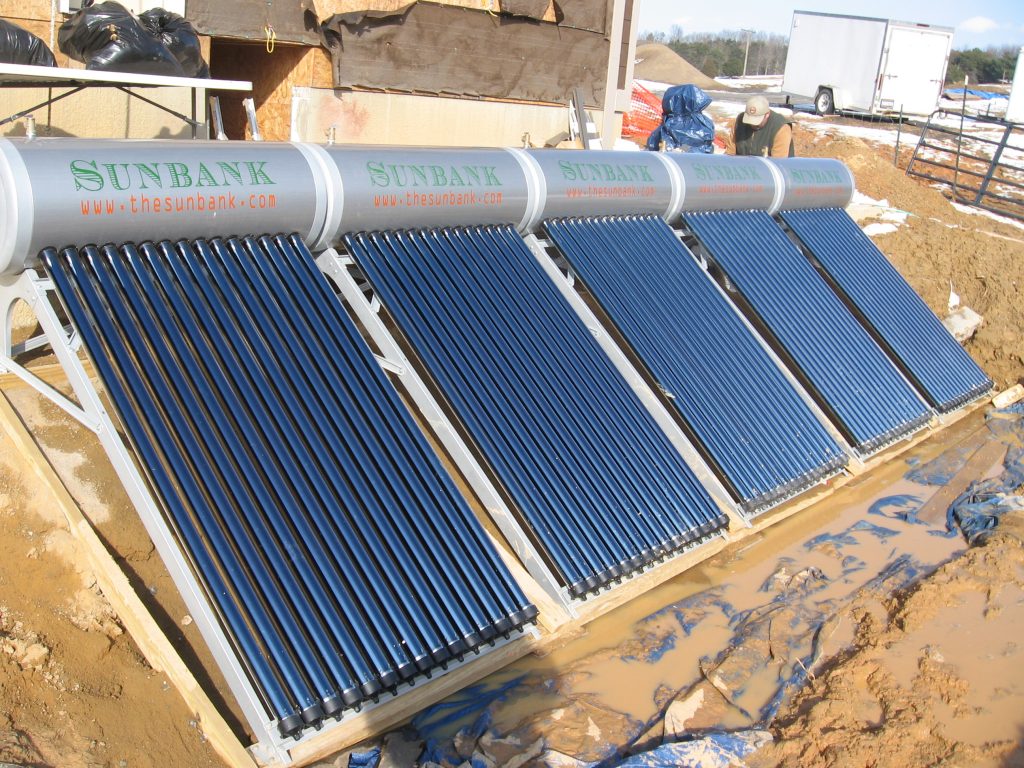
The contraption looks like a piece of a tanning bed, exposed on a rooftop, leaning toward the sun. But rather than emitting powerful UV rays, these tubes capture them and heat water in a process called solar thermal, harnessing the sun’s energy at a rate that is more than five times more effective than most photovoltaic solar panels.
Read MoreAppalachia’s Environmental Votetracker: Dec.-Jan. 2014 issue
See how Appalachian congressional representatives voted on several environmental issues during fall 2014.
Read MoreExposed: Coal Combustion
Coal is currently the largest source of global energy. When coal is burned, its carbon, hydrogen, oxygen, sulfur, nitrogen and trace metals combine to form greenhouse gases such as carbon dioxide, methane and nitrogen oxides. Other emissions include sulfur dioxide gas, which can contribute to acid rain and respiratory diseases, particulate matter, which can cause…
Read MoreExposed: Climate Change
Much of Appalachia is predicted to experience increased temperatures and precipitation over the coming decades, with temperatures rising by four to nine degrees Fahrenheit and fewer — but more intense — storms interspersed with short droughts. Heat impacts Rising temperatures can heighten the risk of heat stroke during the summer and increase production of ground-level…
Read MoreExposed: Mountaintop Removal Coal Mining
Nearly 650 mountaintop removal coal mining sites scar the landscape of central Appalachia. Neighboring communities experience greater levels of air and water pollution and suffer from higher rates of illness than similar communities located further away, says Dr. Michael Hendryx, a professor of applied health science at Indiana University who has contributed to more than…
Read MoreExposed: Pesticides
Whether in food, water or air, current research suggests that no corner of the global environment is spared from pesticide contamination — not even the bacteria and fungi needed to regenerate soil. Pesticides include popular products such as insecticides, herbicides, fungicides and rodenticides. Many properties and impacts of these chemicals remain unstudied, but researchers are…
Read More