

Entrepreneur Banks on the Sun
By Eliza Laubach
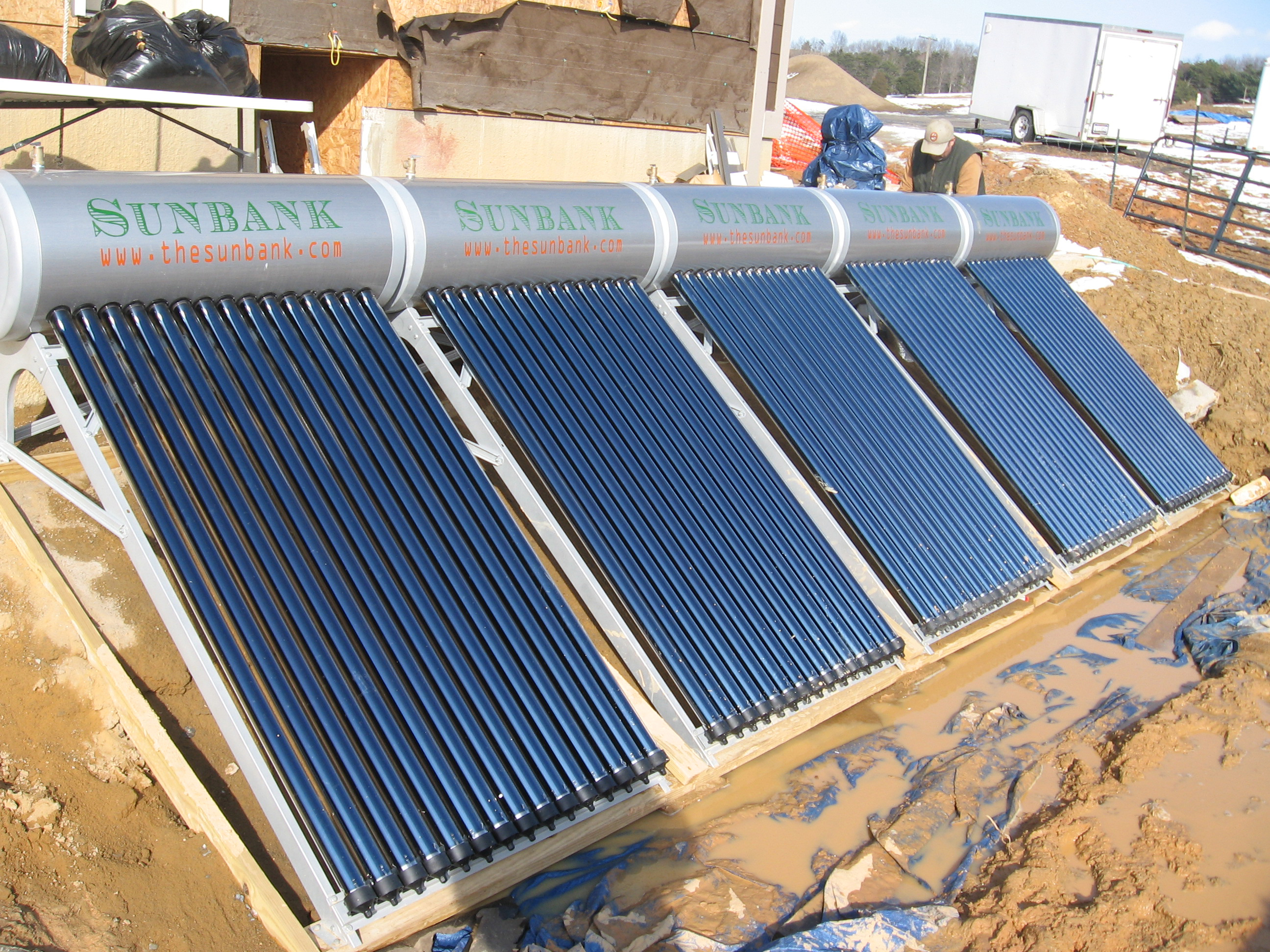
This Sunbank installation at Bethlehem Farm near Talcott, W.Va, is part of a radiant heating system on an energy-efficient house. Photo courtesy Sunbank Solar Water Heaters
The contraption looks like a piece of a tanning bed, exposed on a rooftop, leaning toward the sun. But rather than emitting powerful UV rays, these tubes capture them and heat water in a process called solar thermal, harnessing the sun’s energy at a rate that is more than five times more effective than most photovoltaic solar panels.
James Richards, solar entrepreneur, first experimented with solar thermal while working in Nicaragua for an organization that brought alternative energy and water filtration systems to impoverished communities. When he got back to his parents’ home in West Virginia, he took his research, refined it and produced the Sunbank, a sophisticated solar water heater that calls on an ageless concept: using the sun to heat water.
Richards counts himself as lucky to have found pockets of the community open to incubating his business in West Virginia. He anticipated a challenge, but found that was easy to overcome. “There aren’t much more conservative places,” says Richards. “It was a good test case.” The West Virginia legislature got rid of a $2,000 solar renewable energy credit last year. Although that did not affect the Sunbank, Richards called it a bad omen for solar in West Virginia. “People are pragmatic,” Richards says. “Public support will happen when it makes financial sense for them.”
At $3,000, the Sunbank costs thousands less than a solar panel, but is still a substantial investment in a state where the poverty rate is nearly 18 percent. In 2013, Richards received a fellowship to explore financing for the Sunbank on a large scale, which led him to move to California to work with experts and take advantage of the state’s progressive policies and support for solar.
While Richards has shifted his focus on pitching the Sunbank to commercial businesses that have a high demand for hot water, such as bakeries and breweries in his new home base of Santa Cruz, Ca., the inventory and distribution remains in West Virginia. The jobs in solar are in installation, says Richards, which he leaves to local contractors.
Recent Sunbank installations in West Virginia reflect Richards’ large-scale outlook. Bethlehem Farm, a Catholic nonprofit retreat center near Talcott, W. Va., recently ordered eleven Sunbanks for its buildings. Coalfields Development Corporation, a not-for-profit community organization that offers construction training for low-income residents, will be installing five Sunbanks in a renovated apartment building near Huntington, W.Va.
Related Articles
Latest News
More Stories

Halloween Approaches, and Night School Is in Session
The House of Art in Bluefield, West Virginia, looks like a haunted tower, making it the perfect location for its sixth annual haunt event: Night School. The Night School will be open every Friday and Saturday night through Oct. 31.
‘The Most Perfect Act of Love’
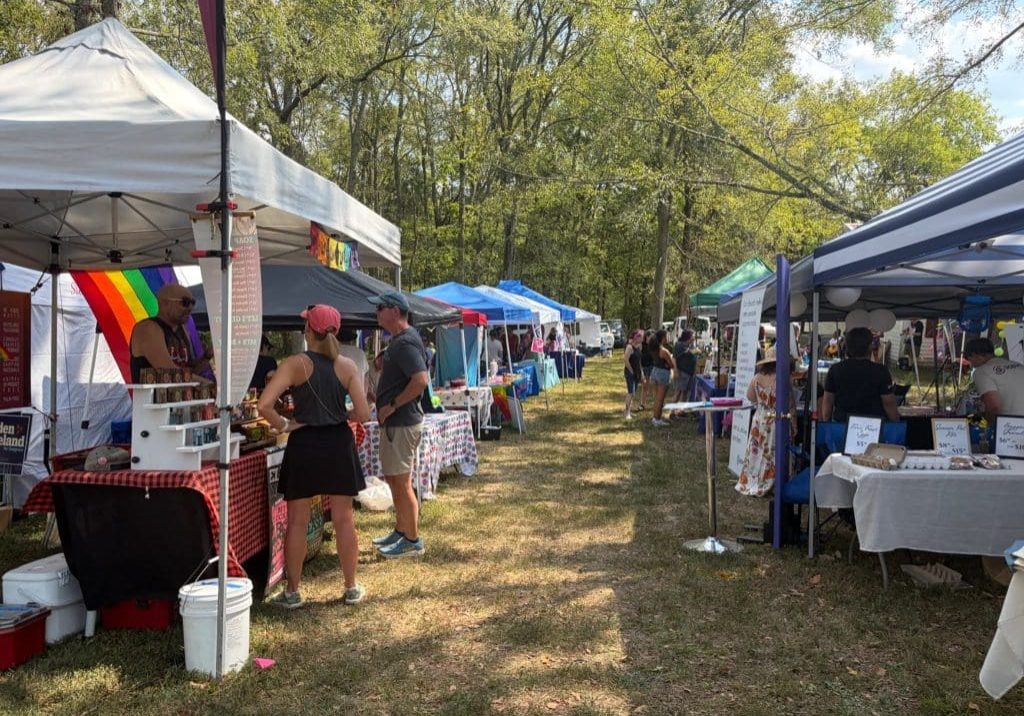
After losing its rural pride celebration, hundreds of people attended the second annual Affirming Sumner Pride celebration on a 24-acre farm dubbed “Fruity Farm” in Bethpage, Sumner County, Tennessee.

Signs of Life
In the Nantahala National Forest, a team of biologists spotted Indiana bats, an endangered species that hasn’t been seen in North Carolina for the last 11 years.

‘First Line of Defense’
During Hurricane Helene and its aftermath, rural fire departments and other first responder hubs played critical roles in keeping their communities safe, even without power and cut off from outside support for days or weeks after the storm. Two years later, plenty of work remains to ensure these hubs have the resources they need to operate day to day and be ready when emergencies or natural disasters strike.

The Rocky Road — and Bridge — to Recovery
Hurricane Helene is estimated to have damaged nearly 7,000 private roads and bridges in Western North Carolina. Two years later, many restoration projects are complete, but the journey hasn’t been easy — and isn’t over for others.
After 20 Years, Letcher County Prison Proposal Is Still Alive, Though Obstacles Remain
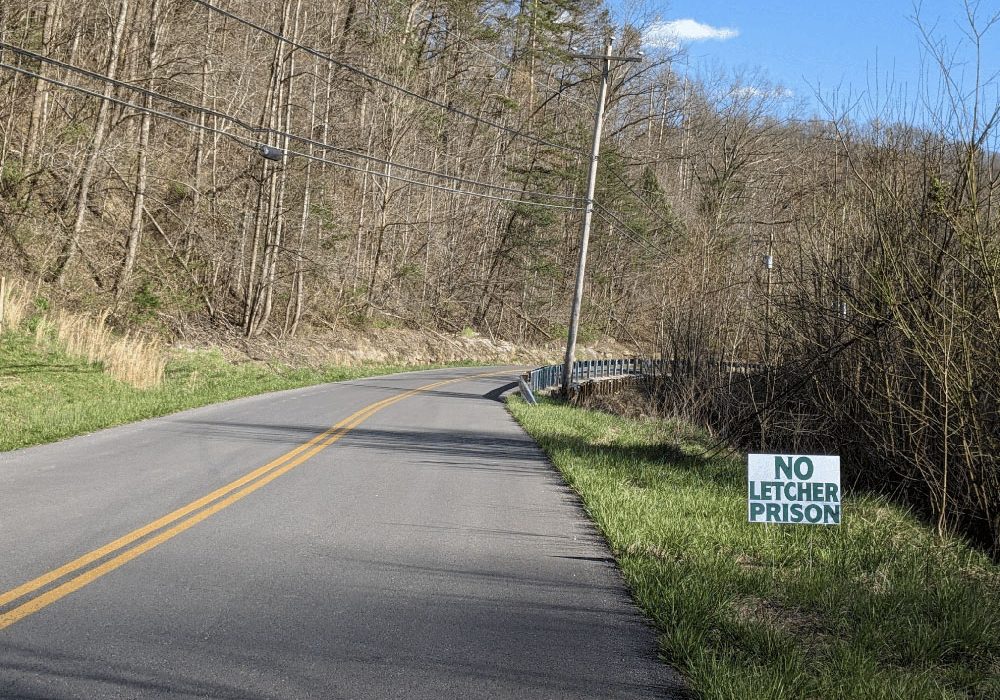
A $605 million proposal for a federal prison on a former strip mine site in Letcher County, Kentucky, championed by U.S. Rep. Hal Rogers, refuses to die, despite local opposition, a lack of support from the executive branch and numerous other obstacles.

Leave a comment
Your email address will not be published. Required fields are marked *
Leave a Comment