
All Posts
Elk Make Slow Return to Appalachia

When European colonists arrived in the 1400s, Eastern elk were the most widespread hooved animal on the continent, but the subspecies was declared extinct by 1880. Today, however, another type of elk are slowly returning to Appalachia.
Read MoreSouth Fork Sharestead
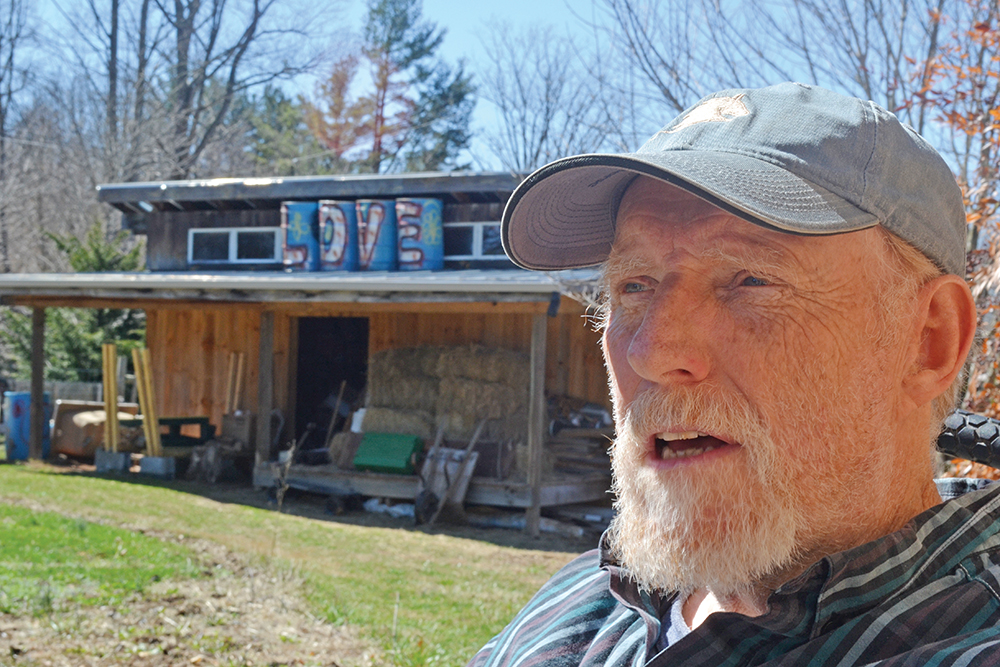
In six years, Jonathan Towers has transformed his average American home into an energy-efficient, food-abundant powerhouse. By retrofitting the house to be energy efficient and maintaining a strong commitment to energy conservation, their utility bill has dropped 75 percent.
Read MoreMountain protectors try again in N.C.
 North Carolina Rep. Pricey Harrison introduced a bill today to phase out North Carolina’s use of mountaintop removal coal. The bill mirrors one that has been in the legislature before and that received bipartisan backing, with 75 legislators signing a letter of support. Rep. Harrison’s bill also aims to help ratepayers during the economic recovery by placing a moratorium on new coal-fired power plants in the state.
Regional Report Details Victories, Challenges Over Poverty
A report released in February by the Appalachian Regional Commission, Appalachia Then and Now: Examining Changes to the Appalachian Region Since 1965, examines the impact of improved infrastructure, education and job opportunities across the region. According to the report, Appalachia’s poverty rate dropped from 31 percent to 16.6 percent over the last five decades.
Read MoreA first for North Carolina, now open for fracking
 March 17 marked the first day in history that North Carolina has been fully open to the oil and gas industry for the dangerous, environmentally destructive practice of hydraulic fracturing for natural gas. Though the moratorium on fracking has been lifted, communities and environmental organizations across the state are prepared to continue fighting.
Although industry gets fined, citizens still pay the price
In one of the largest Clean Water Act deals in recent memory, Duke Energy agreed to pay $102 million to settle federal charges for its coal ash pollution in North Carolina. It’s the most recent example of a coal-related company facing fines for violating the law, and although that’s a step in the right direction, it can never compensate for the human cost borne for years by citizens living near coal ash ponds and mountaintop removal mines.
Yes, Virginia, there was a silver lining to the General Assembly
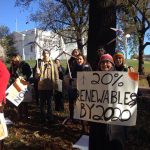 For Appalachian Voices and our partners, it was a mostly defensive game this year in the Virginia legislature as we fought a slew of bad bills by industry-backed and climate-denying politicians. We succeeded in squelching the worst of them, but a lot of policy that could have moved the commonwealth toward cleaner energy and a stronger economy fell by the wayside. There’s always next year….
Going to court for clean water
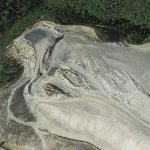 After we revealed thousands of water pollution violations at Frasure Creek Mining’s mountaintop removal coal mines in eastern Kentucky, state regulators (finally) took administrative action. Appalachian Voices and our partners are seeking to intervene in that process to ensure environmental protections are enforced, and we have filed our own lawsuit in federal court.
Permits and Payments: Will Duke Energy ever stop polluting?
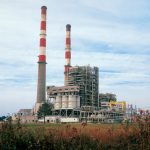 On Tuesday, DENR announced a historic $25.1 million fine for coal ash pollution at Duke Energy’s Sutton power plant. The agency also recently released updated permit drafts for coal ash ponds at other sites, proposed to “better protect water quality near coal ash ponds until closure plans are approved.” Though permitting the pollution will lead to better monitoring, it does nothing to stop or even stymie the toxic discharges.
In praise of the High Country Energy Contest’s community and business partners
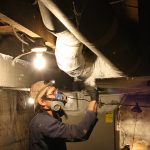
The Energy Savings for Appalachia team would like to thank our community and business partners for making the High Country Home Energy Contest possible. Without their dedication and service, we would not have been able to offer three households the extensive energy efficiency home improvements that we have in the past month.