

By Lorelei Goff
A report released in February by the Appalachian Regional Commission, Appalachia Then and Now: Examining Changes to the Appalachian Region Since 1965, examines the impact of improved infrastructure, education and job opportunities across the region.
According to the report, Appalachia’s poverty rate dropped from 31 percent to 16.6 percent over the last five decades. The region also made significant economic gains while becoming less dependent on employment in resource-extraction industries, such as coal, and increasing employment in service-related sectors.
Since 1965, the federal economic development agency funded nearly 25,000 investments in professional and technical services, manufacturing, trade and construction industries, resulting in nearly 312,000 added jobs and $10 billion in added earnings in the region, the report found. Funding also included $9 billion in matching funds from other federal, state and local sources.
In education, high school graduation rates are now nearly equal to the nation as a whole. However, the area continues to lag behind in university graduation rates and apprenticeships.
Other improvements include infant mortality rates, availability of potable water and the development of nearly 3,000 miles of highways in the region.
Challenges remain, including the availability and affordability of high-speed internet, and a steady out-migration of young adults seeking employment and opportunities.
“The challenge going forward is to use the Region’s assets: a history of hard work, innovative solutions to complex problems, and strong families and communities to leverage today’s emerging economic opportunities into a diverse and vibrant economic future,” said ARC Federal Co-Chair Earl F. Gohl in a press release.
Related Articles
Latest News
More Stories

Halloween Approaches, and Night School Is in Session
The House of Art in Bluefield, West Virginia, looks like a haunted tower, making it the perfect location for its sixth annual haunt event: Night School. The Night School will be open every Friday and Saturday night through Oct. 31.
‘The Most Perfect Act of Love’
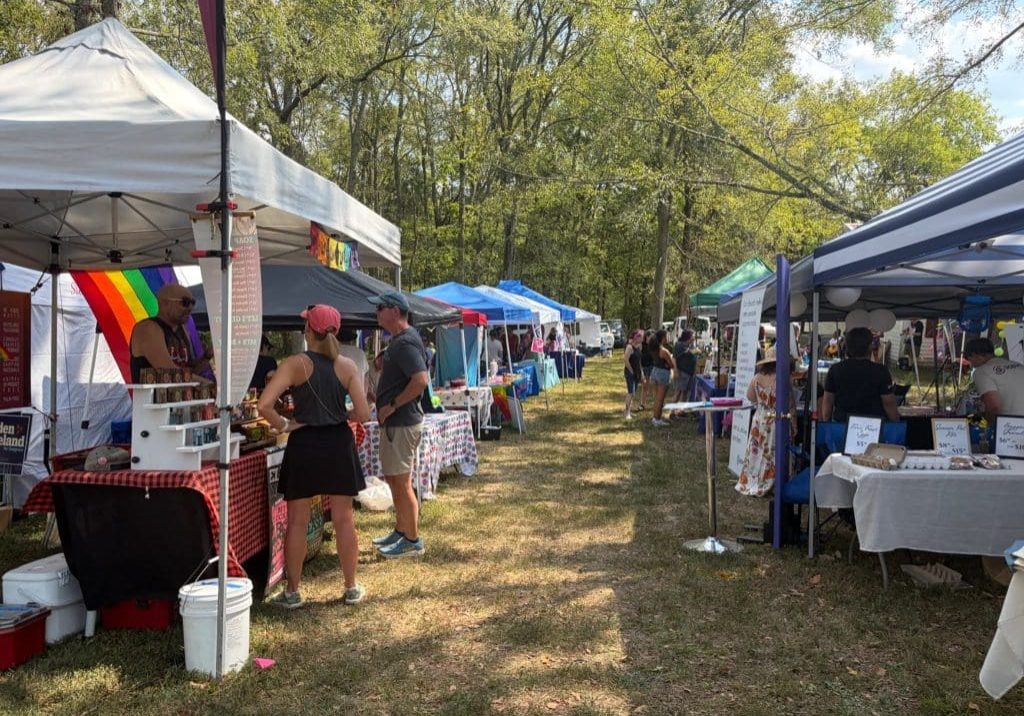
After losing its rural pride celebration, hundreds of people attended the second annual Affirming Sumner Pride celebration on a 24-acre farm dubbed “Fruity Farm” in Bethpage, Sumner County, Tennessee.

Signs of Life
In the Nantahala National Forest, a team of biologists spotted Indiana bats, an endangered species that hasn’t been seen in North Carolina for the last 11 years.

‘First Line of Defense’
During Hurricane Helene and its aftermath, rural fire departments and other first responder hubs played critical roles in keeping their communities safe, even without power and cut off from outside support for days or weeks after the storm. Two years later, plenty of work remains to ensure these hubs have the resources they need to operate day to day and be ready when emergencies or natural disasters strike.
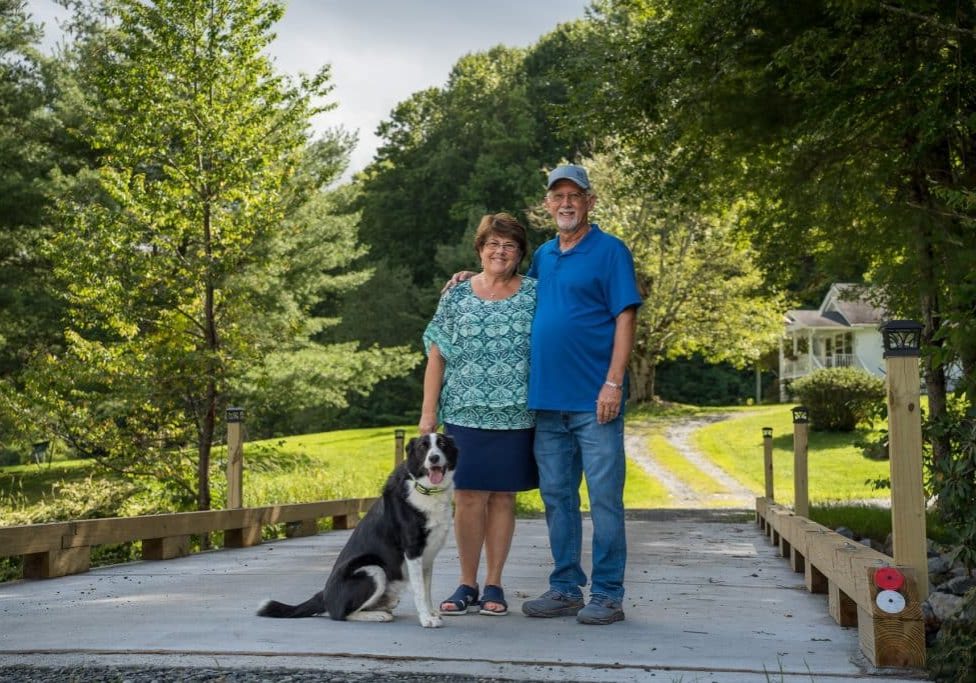
The Rocky Road — and Bridge — to Recovery
Hurricane Helene is estimated to have damaged nearly 7,000 private roads and bridges in Western North Carolina. Two years later, many restoration projects are complete, but the journey hasn’t been easy — and isn’t over for others.
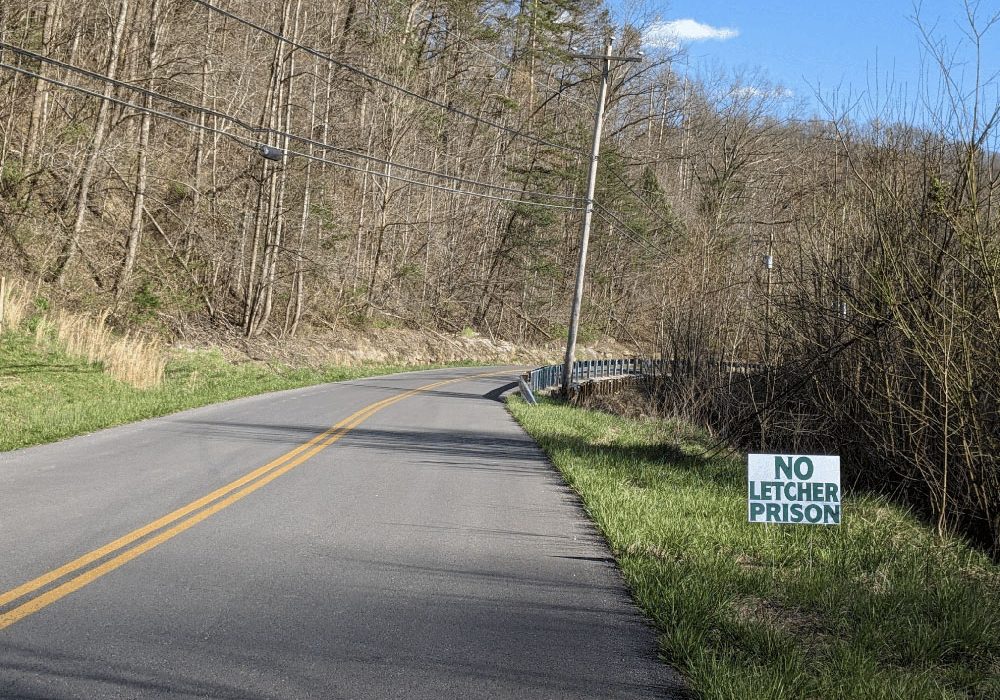
After 20 Years, Letcher County Prison Proposal Is Still Alive, Though Obstacles Remain
A $605 million proposal for a federal prison on a former strip mine site in Letcher County, Kentucky, championed by U.S. Rep. Hal Rogers, refuses to die, despite local opposition, a lack of support from the executive branch and numerous other obstacles.

Leave a comment
Your email address will not be published. Required fields are marked *
Leave a Comment