
Summer 2025
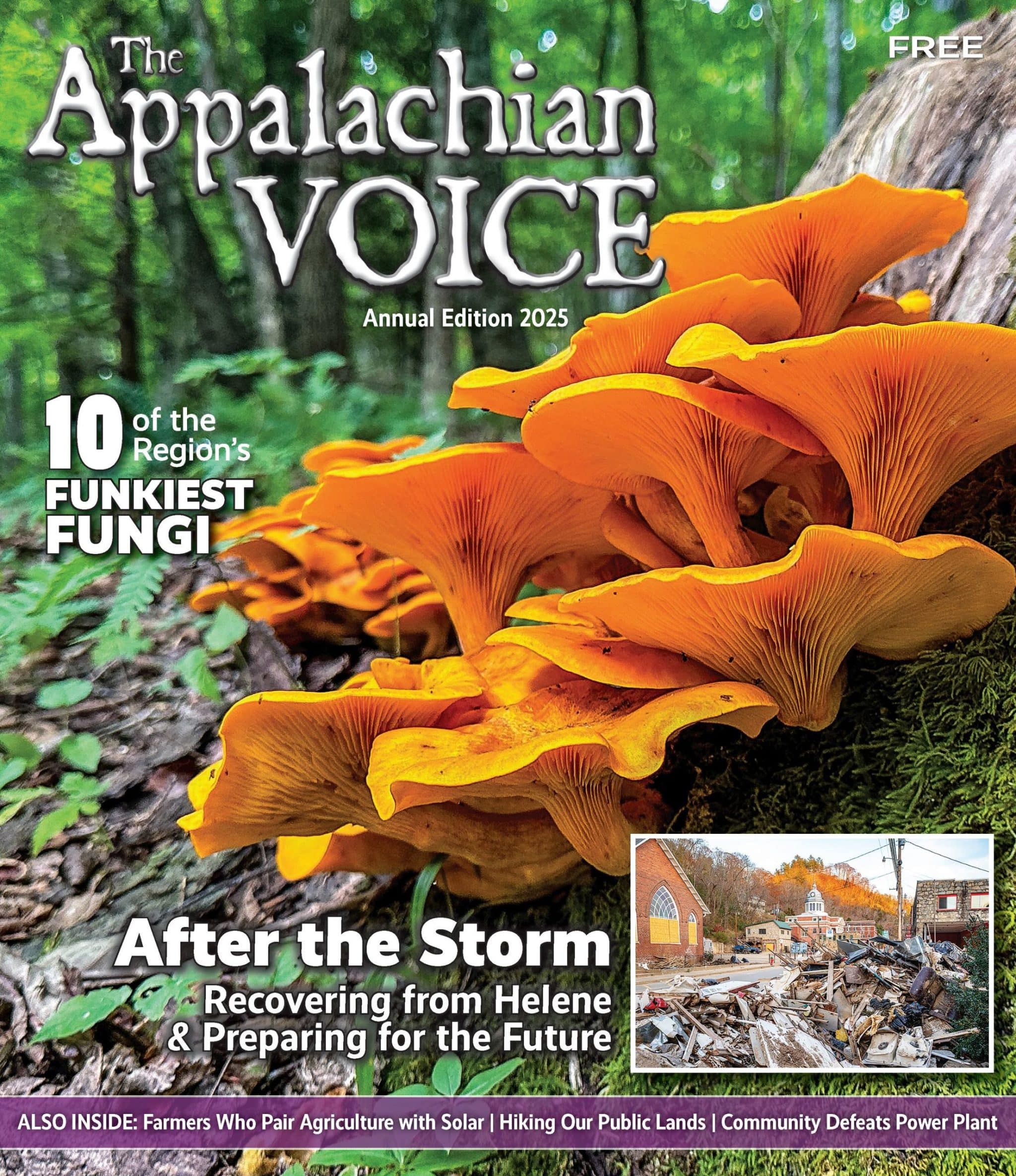
Annual Print Edition
In this issue of The Appalachian Voice, we dive deep into stories of disaster recovery across our region — the long road back after Hurricane Helene, push for community resilience hubs and growing strain federal funding cuts and policy shifts are placing on our beloved public lands.
But it's not all about our region's toughest moments. We’re also spotlighting a grassroots win against a proposed methane gas plant and data center in rural Virginia and a growing citizen air monitoring network in West Virginia. Additionally, we're celebrating the weird and wonderful side of Appalachia, including some of the funkiest fungi you can find in the wild.
Want to help us spread the word? Contact outreach@appvoices.org to request copies mailed to you. We'll send individual copies just for you, or send more to share with friends or at your favorite coffee shop or library.

After the Storm: Recovering From Helene & Preparing for the Future


Repairing Our Region After Helene
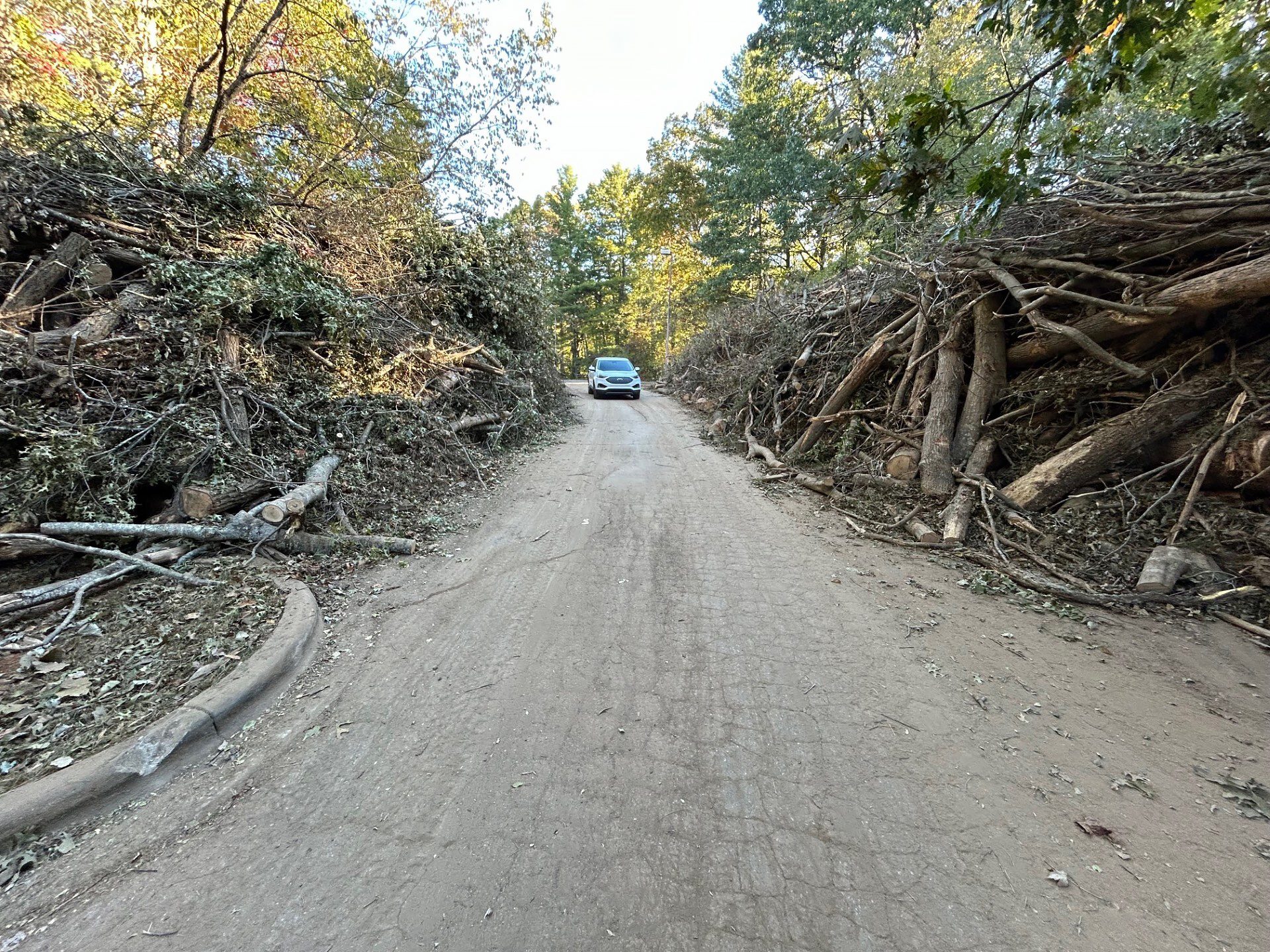
In this issue, we explore a few of the many dimensions of disaster recovery in our region, with a focus on the aftermath of Helene. Communities and individuals are putting one foot forward at a time — and taking action to protect one another and our region if the unimaginable happens again.
The Long Trail Back: Public Lands Recovery After Hurricane Helene
Appalachia is rich with public lands and waterways cherished by residents and visitors. When Hurricane Helene swept through the region, many of these beloved natural areas were devastated. Thanks to dedicated federal, state and local partners and untold numbers of volunteers, many public lands have reopened — but challenges remain. Current and looming federal budget cuts and policy changes have made already arduous land restoration work even more challenging — a reality that may continue for the foreseeable future.
Building Community Resilience Hubs
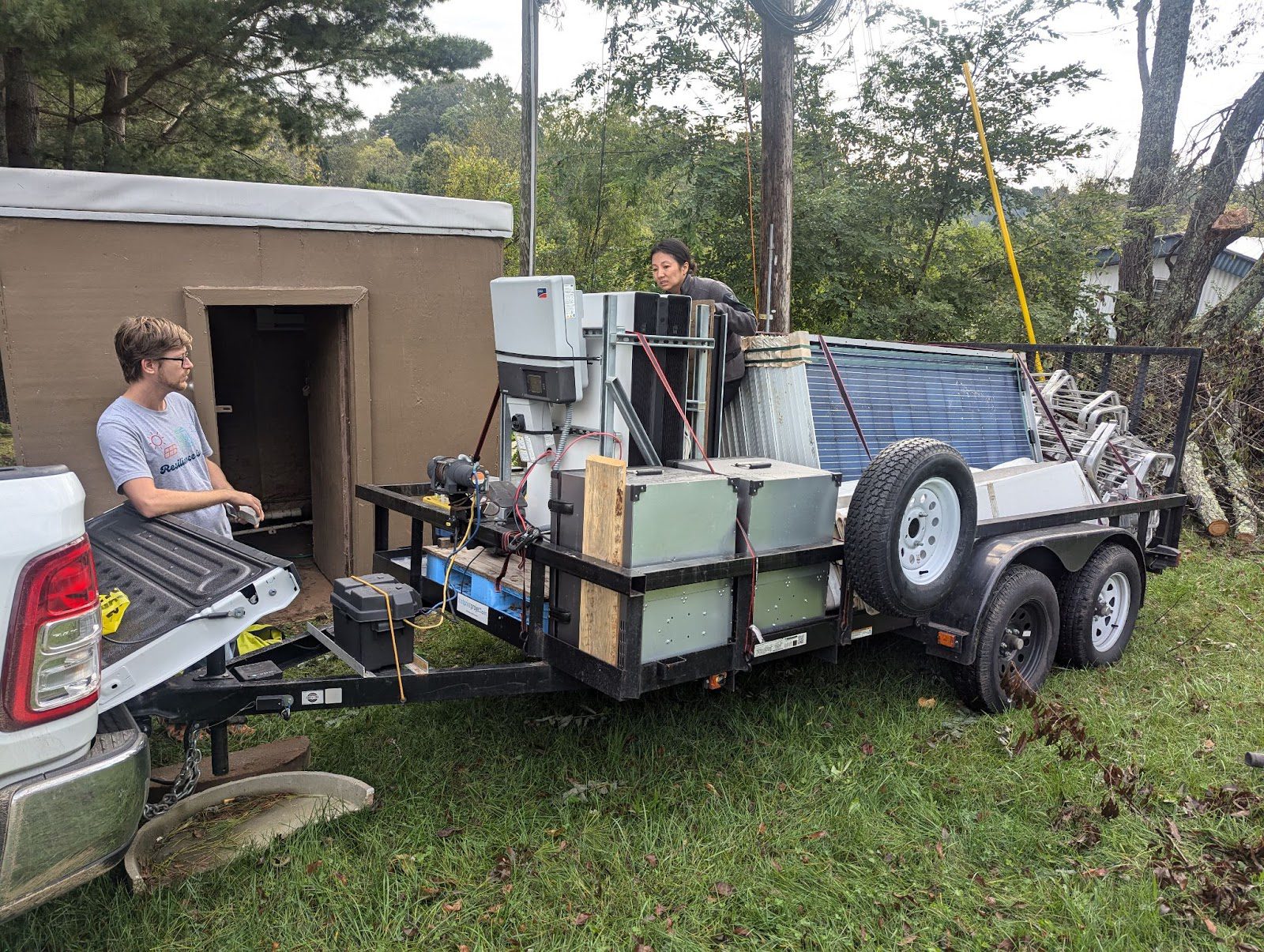
After Hurricane Helene and flood devastation in recent years, many communities and organizations are looking to establish long-term community resilience hubs to serve as safety nets for residents in both good times and bad. In an ideal scenario, these hubs would be equipped with renewable infrastructure, such as solar microgrids, to maintain reliable access to electricity in the event of grid outages.
Snapshots of Disaster Recovery
- West Marion Resilience Hub Is ‘Not Your Grandma's Community Center’
- ‘Nobody is Coming to Save us:’ Building McDowell County, West Virginia, After February floods
- ‘A Creative Renaissance:’ Recovery in the River Arts District of Asheville
- Organizations Band Together to Help with Long-Term Recovery in Cocke County, Tennessee
- On the Road to Recovery for the Virginia Creeper Trail
Other Top Stories From Summer 2025

Continuity of Connection: Museum Exhibition Features Contemporary Native Artwork About Indigenous Mounds
A new exhibition, “Homelands: Connecting to Mounds through Native Art,” at the McClung Museum of Natural History and Culture at the University of Tennessee, Knoxville, features contemporary art from four of the 11 Native nations with ancestral ties to UT land.

Appalachia’s Funkiest Fungi
Don’t miss 10 of Appalachia’s funkiest fungi! From Bleeding Tooth Fungus to Dead Man’s Fingers, we’ve selected the weirdest of the weird fungi. Hopefully you can find and appreciate some of these beautiful and fascinating local residents in your neck of the woods.

People vs. Pipelines
Patricia Smarsh and Jeffrey Gilliam’s land is threatened by the Ridgeline Pipeline, a proposed methane gas project from Enbridge Inc.

Facing a Funding Fight
We take a look at some of Trump’s federal funding proposals for Fiscal Year 2026 that have a disproportionate impact on the air, land, water and local economies of Appalachia.

Miners and Advocates Push for Better Black Lung Benefits and Protections
On a rainy May afternoon, nearly 20 members of the Southwest Virginia Black Lung Association Chapter II gathered in Big Stone Gap to discuss the black lung crisis, which has been rising among Appalachia’s coal miners, often at younger ages.

Nonprofits and Local Governments Go Solar
There has been a wave of new investments in solar power over the past few years due to tax credits for clean energy projects from the Inflation Reduction Act of 2022. Those credits will be ending as a result of passage of the Republican reconciliation bill in early July.
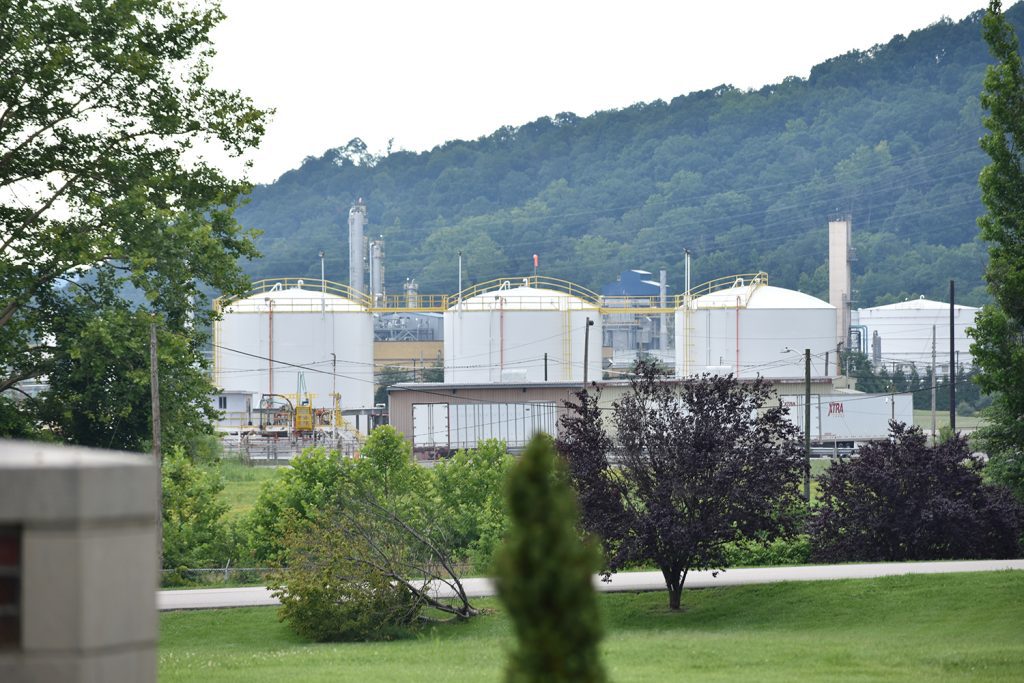
Citizen Air Monitoring Network Grows Stronger in West Virginia’s ‘Chemical Valley’
Citizen air monitoring network efforts are giving Appalachians more information about the air they breathe in West Virginia’s “Chemical Valley.”
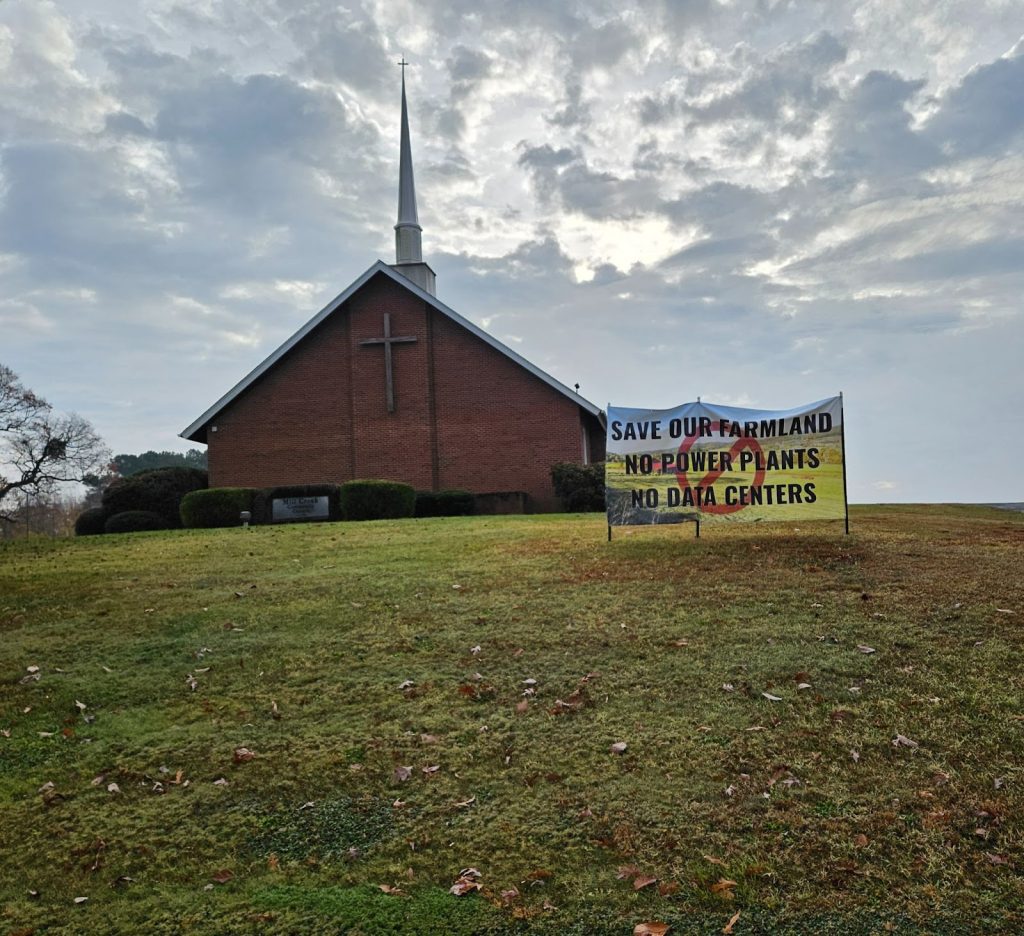
Rural Virginia Community Defeats Massive Gas Plant and Data Center Proposal
Residents of Pittsylvania County, Virginia, came together to help defeat a proposal from Balico, LLC to develop 2,200 acres of rural land for a massive gas power plant and huge data center complex of 84 buildings.
Summer 2025 - Columns
 Hiking the Highlands
Protected Paths: Trails Through Public Lands
This series features lesser-known trails in Appalachia’s public lands. They show the beauty and significance of hiking on public lands.
 Naturalist’s Notebook
A Call to Protect the Hellbender, Appalachia’s Largest Salamander
The Eastern hellbender is eligible to receive federal protection under the Endangered Species Act. In December 2024, the U.S. Fish and Wildlife Service issued a proposal to classify the hellbender as endangered.
 This Green House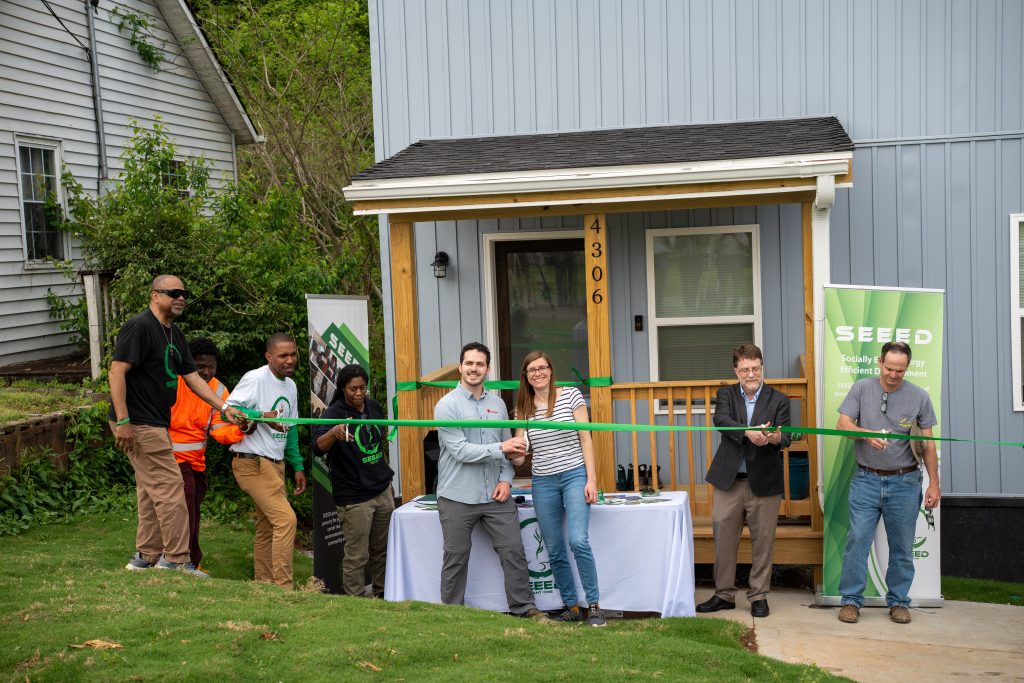
East Tennessee Nonprofit Welcomes First-Time Homebuyers Into Affordable, Energy-Efficient Home
Shawn O’Brien and Nicole Yacura recently moved into Candora House, a net-positive solar home built by East Tennessee nonprofit, SEEED.
 Across Appalachia
 Energy Report