

State Park All-Terrain Wheelchair Program; Fire Ants in South Virginia
Six Virginia Parks Add All-Terrain Wheelchairs
By Kayla Masterman

Virginia State Parks launched a pilot program in September 2024 with all-terrain wheelchairs, providing those with mobility impairments the opportunity to access and enjoy outdoor areas.
Parks with all-terrain wheelchairs have specific trails that accommodate them. The chairs are free and open to the public but must be reserved 48 hours in advance.
So far, there are six ATWs, all funded by Virginia State Park license plate purchases, one each at Claytor Lake, Mason Neck, New River Trail, Powhatan, Shenandoah River and York River state parks.
Mason Neck State Park Manager Lance Elzie explains the goal is to make the park and the trails as accessible as possible. So far, the response has been encouraging, with some visitors driving nearly 4 hours for an event because the park’s all-terrain wheelchairs made it possible for them to fully enjoy and access the experience.
Invasive Fire Ants Spread in Southern Virginia
By Kayla Masterman
State and federal authorities have set up state and federal quarantines for fire ants in more than 30 Virginia cities and counties in hopes of slowing down the spread and managing the threat posed by the invasive species.
These quarantines regulate human activity that could unintentionally contribute to the fire ants’ spread. For example, businesses in quarantined areas shipping to locations outside of those areas must follow U.S. Department of Agriculture-approved treatment and shipping options. The regulations aim to reduce the impact caused by imported fire ants, including the damage to crops and harm to wildlife.
Fire ants were first detected in Virginia in 1989. Initially, their spread was limited. Since 2017, they have been expanding in the state, particularly in southern Virginia. The warming climate has attracted the insects.
Related Articles
Latest News
More Stories

Halloween Approaches, and Night School Is in Session
The House of Art in Bluefield, West Virginia, looks like a haunted tower, making it the perfect location for its sixth annual haunt event: Night School. The Night School will be open every Friday and Saturday night through Oct. 31.
‘The Most Perfect Act of Love’
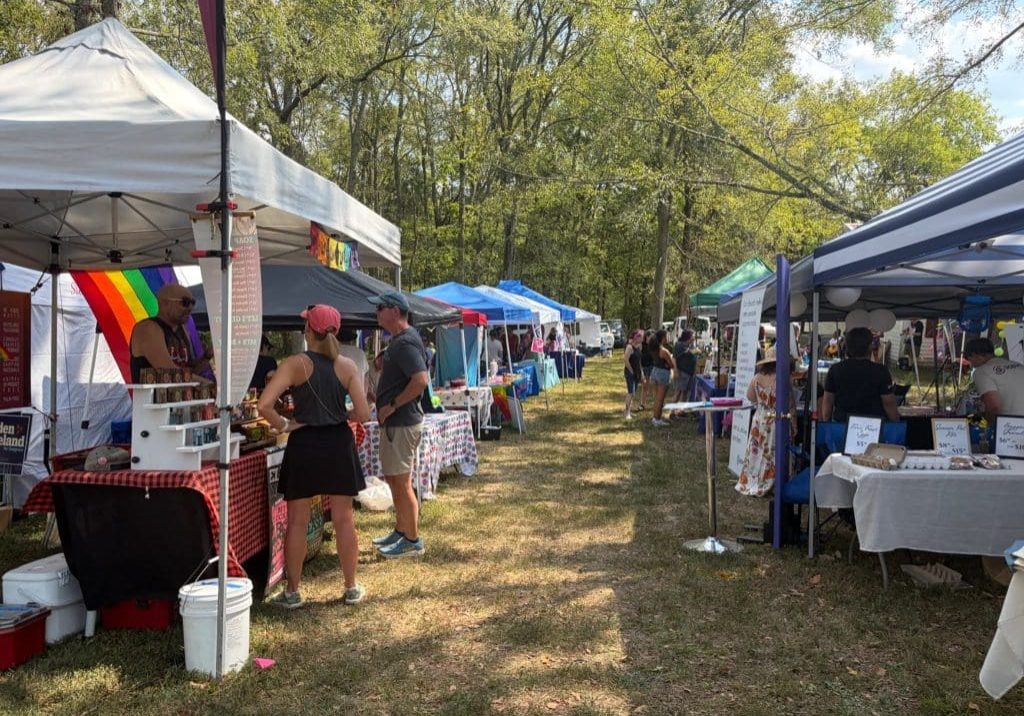
After losing its rural pride celebration, hundreds of people attended the second annual Affirming Sumner Pride celebration on a 24-acre farm dubbed “Fruity Farm” in Bethpage, Sumner County, Tennessee.
Signs of Life
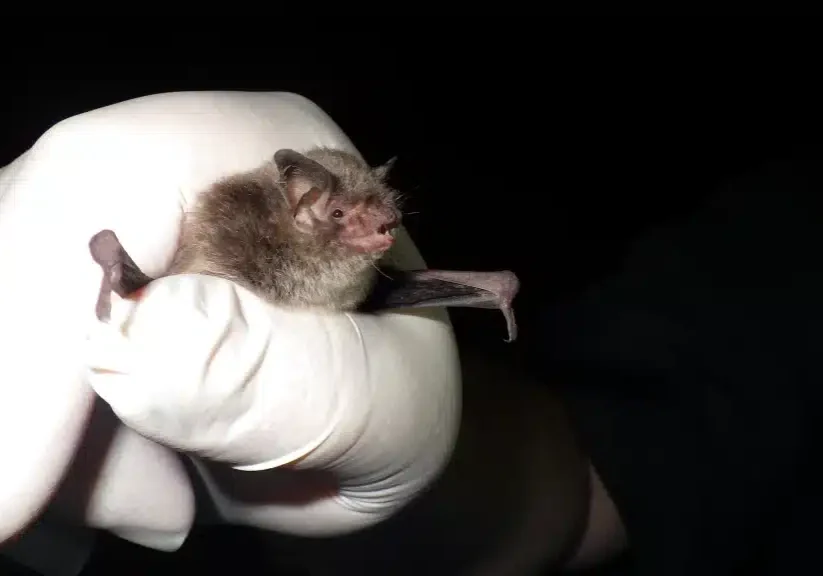
In the Nantahala National Forest, a team of biologists spotted Indiana bats, an endangered species that hasn’t been seen in North Carolina for the last 11 years.
‘First Line of Defense’
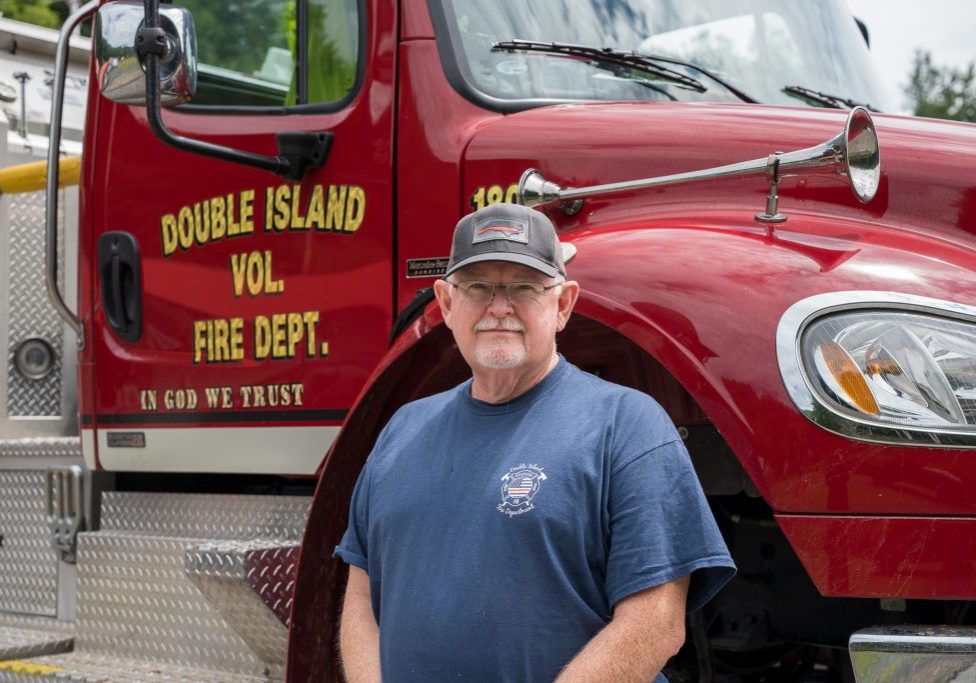
During Hurricane Helene and its aftermath, rural fire departments and other first responder hubs played critical roles in keeping their communities safe, even without power and cut off from outside support for days or weeks after the storm. Two years later, plenty of work remains to ensure these hubs have the resources they need to operate day to day and be ready when emergencies or natural disasters strike.
The Rocky Road — and Bridge — to Recovery
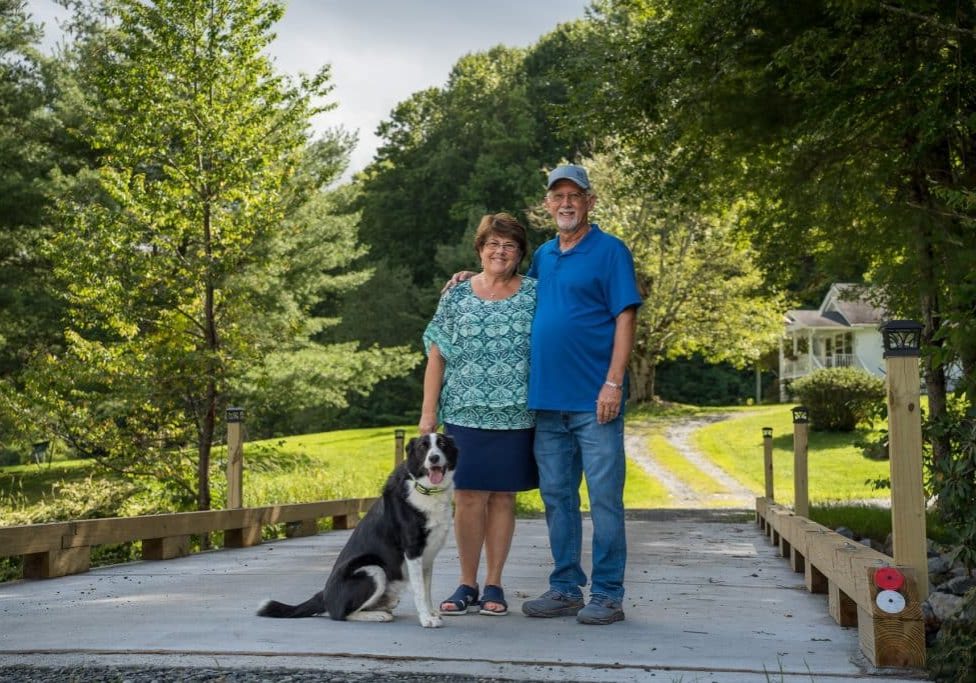
Hurricane Helene is estimated to have damaged nearly 7,000 private roads and bridges in Western North Carolina. Two years later, many restoration projects are complete, but the journey hasn’t been easy — and isn’t over for others.
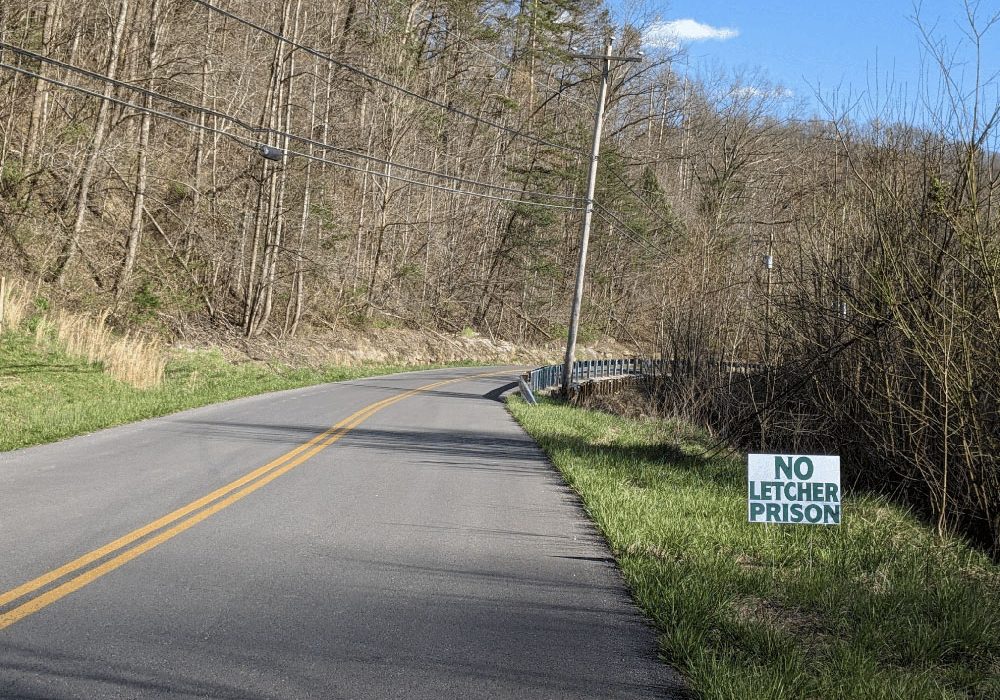
After 20 Years, Letcher County Prison Proposal Is Still Alive, Though Obstacles Remain
A $605 million proposal for a federal prison on a former strip mine site in Letcher County, Kentucky, championed by U.S. Rep. Hal Rogers, refuses to die, despite local opposition, a lack of support from the executive branch and numerous other obstacles.

Leave a comment
Your email address will not be published. Required fields are marked *
Leave a Comment