

Nonprofits and Local Governments Go Solar
Now the federal government is ending tax credits that supported these and similar projects

There has been a wave of new investments in solar power over the past few years due to tax credits for clean energy projects from the Inflation Reduction Act of 2022. Those credits will be ending as a result of passage of the Republican reconciliation bill in early July.
These benefits have been especially important in Appalachian communities hit hard by the coal industry’s decline and rising energy costs. Incentives like the investment tax credit and energy communities bonus, as well as a provision that allows tax-exempt entities like churches and local governments to use the credits, helped turn some long-term goals into reality.
But provisions in the “One Big Beautiful Bill Act” will phase those incentives out. Projects that begin construction by the end of 2027 will still have some eligibility for the credits, but depending on when work begins, they may be subject to restrictive foreign-sourcing limitations on materials and equipment that will make many projects ineligible for the credits.
The projects highlighted in this article come from an April 2025 report about the impacts of the tax credits across Appalachia.
Leslie County Animal Shelter, Kentucky
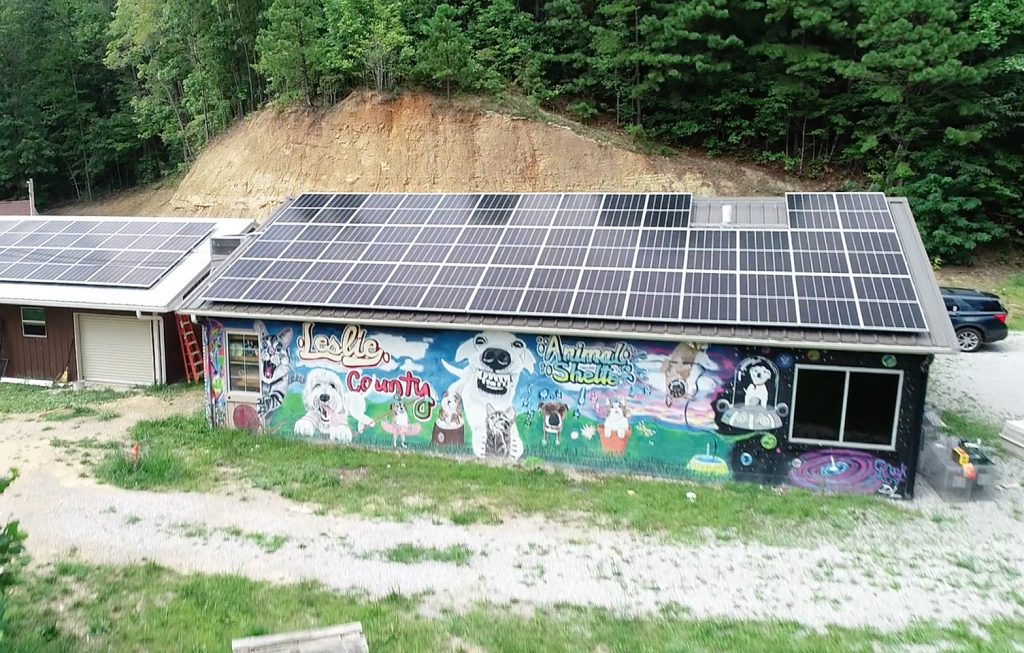
Anna Carey manages the Leslie County Animal Shelter in Kentucky and is often looking to lower the shelter’s costs. When the nonprofit Mountain Association offered to help install solar panels, she didn’t hesitate to accept. “It just makes economic sense,” Carey says.
The project cost was $112,500, but with grants from The Nature Conservancy and the Appalachian Solar Finance Fund, along with federal tax credits, the shelter installed a 35-kilowatt system with almost no out-of-pocket cost. The system, which switches to battery storage during peak energy consumption hours, will save the county at least $5,000 annually.
Buncombe County, North Carolina
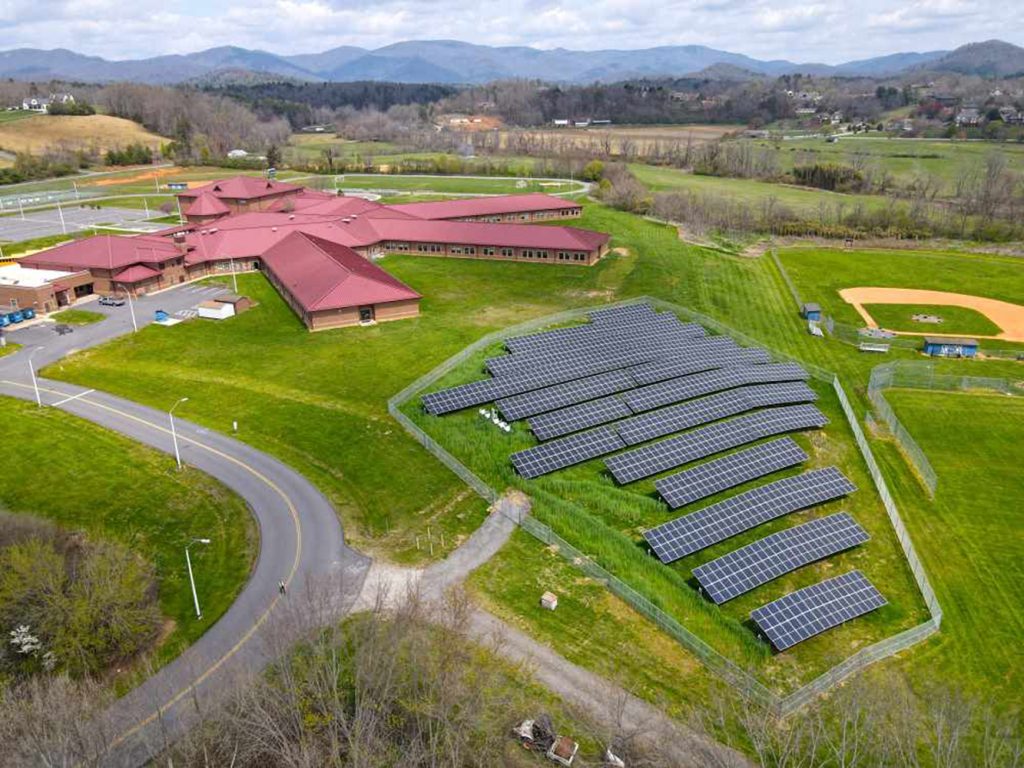
After Hurricane Helene devastated Buncombe County, Jeremiah LeRoy shifted from the county’s sustainability officer to recovery officer — but his work in clean energy hasn’t stopped. The county has committed to 100% renewable energy for county operations by 2030 and the entire community by 2042. Buncombe County was able to access $1 million in tax credits to support 7 megawatts of solar installations on schools, libraries and county buildings.
“As a local government, we have seen a massive hit to our revenue because of Helene,” LeRoy says. “And so to be able to receive a million dollars, it’s a real blessing.”
Tri-County Career Center in Nelsonville, Ohio
When Tri-County Career Center needed a new roof, Superintendent Connie Altier discovered that integrating the roof project with solar would allow the cost of the new roof to be covered by clean energy tax credits. Tri-County qualified for a 10% bonus credit on top of the IRA’s standard 30% credit because Athens County meets federal criteria for high fossil fuel employment and high unemployment. The installer estimates the system will save the center at least $16,000 annually for 25 years.
Students in Tri-County’s electrical trades program assisted with installation, gaining hands-on experience. The project finished ahead of schedule, and the installer hired two students full-time.
First Presbyterian Church in Oak Ridge, Tennessee
Chartered in 1945 to serve the growing Oak Ridge community, First Presbyterian Church unanimously approved a $120,000 solar project in 2023. This project involved installing a 19.2-kilowatt rooftop photovoltaic system atop two church buildings. The project received a 30% tax rebate through the IRA and a $23,570 grant from the Appalachian Solar Finance Fund. The system is expected to provide $70,388 in lifetime savings.
“God gave us limitless energy from the sun,” says Dan Terpstra, former co-chair of the church’s Property & Maintenance Committee. “Our biblical mandate to care for creation compels us to use it for the good of the planet.”
Four Seasons YMCA in Tazewell County, Virginia
In Virginia’s Pocahontas coalfield, the Four Seasons YMCA is now 97% solar-powered, thanks to an over-five-year effort by CEO Shawn Durham and the center’s board of directors. The IRA provided the coalfield community with an extra 10% bonus credit on top of the 30% investment tax credit, helping make the project possible. With local electricity rates up 46% in recent years, the system is expected to save the YMCA tens of thousands of dollars annually. The savings will support health programs, financial assistance and a community garden.
Just For Kids Child Advocacy Center in Beckley, West Virginia
When Just For Kids Child Advocacy Center moved into a former bed-and-breakfast in Beckley, West Virginia, Executive Director Scott Miller looked to solar to reduce costs. In 2023, the nonprofit installed a $28,000 solar array for $500 thanks to IRA tax credits plus grants and donations. The 14-panel ground array will power 100% of the building’s electricity for at least 25-30 years, saving over $32,487 across its lifespan.
“With the [IRA] passing, one of the things that’s happened for nonprofits and churches is that they can take advantage of the same tax credits that businesses have taken advantage of for years,” says Thomas Ramey, a solar evaluator for Solar Holler and son of a coal miner, who worked on the project.
Those tax credits are now ending sooner for all projects.
Report authors include Chelsea Barnes, Sarah Dean, Lara Howell and Abby Hassler. Kayla Masterman contributed to this piece.
Related Articles
Latest News
More Stories

Signs of Life
In the Nantahala National Forest, a team of biologists spotted Indiana bats, an endangered species that hasn’t been seen in North Carolina for the last 11 years.

‘First Line of Defense’
During Hurricane Helene and its aftermath, rural fire departments and other first responder hubs played critical roles in keeping their communities safe, even without power and cut off from outside support for days or weeks after the storm. Two years later, plenty of work remains to ensure these hubs have the resources they need to operate day to day and be ready when emergencies or natural disasters strike.

The Rocky Road — and Bridge — to Recovery
Hurricane Helene is estimated to have damaged nearly 7,000 private roads and bridges in Western North Carolina. Two years later, many restoration projects are complete, but the journey hasn’t been easy — and isn’t over for others.
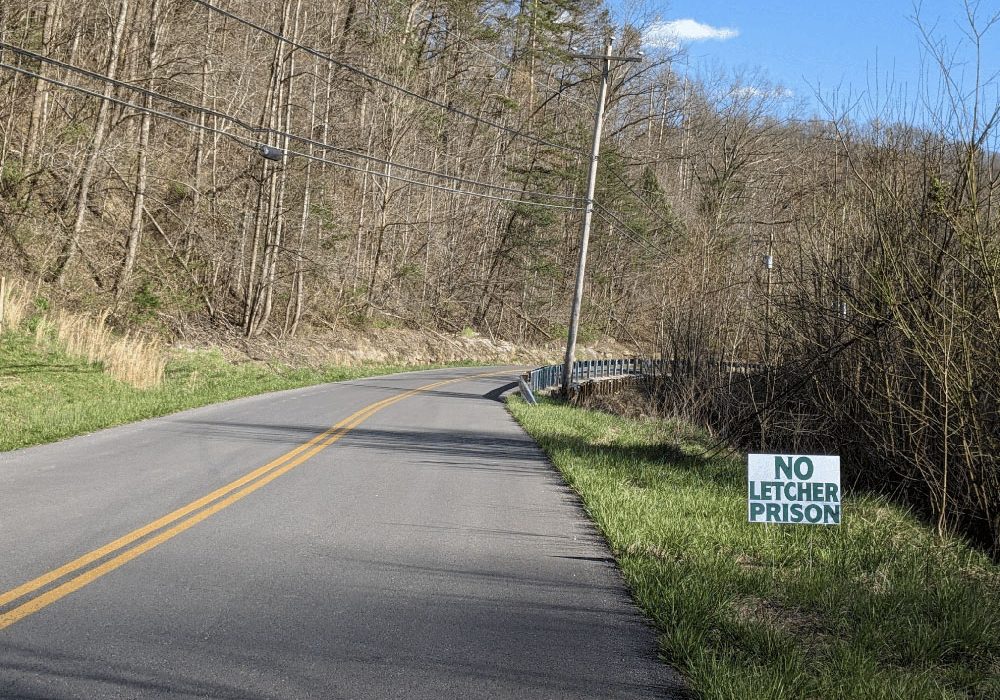
After 20 Years, Letcher County Prison Proposal Is Still Alive, Though Obstacles Remain
A $605 million proposal for a federal prison on a former strip mine site in Letcher County, Kentucky, championed by U.S. Rep. Hal Rogers, refuses to die, despite local opposition, a lack of support from the executive branch and numerous other obstacles.
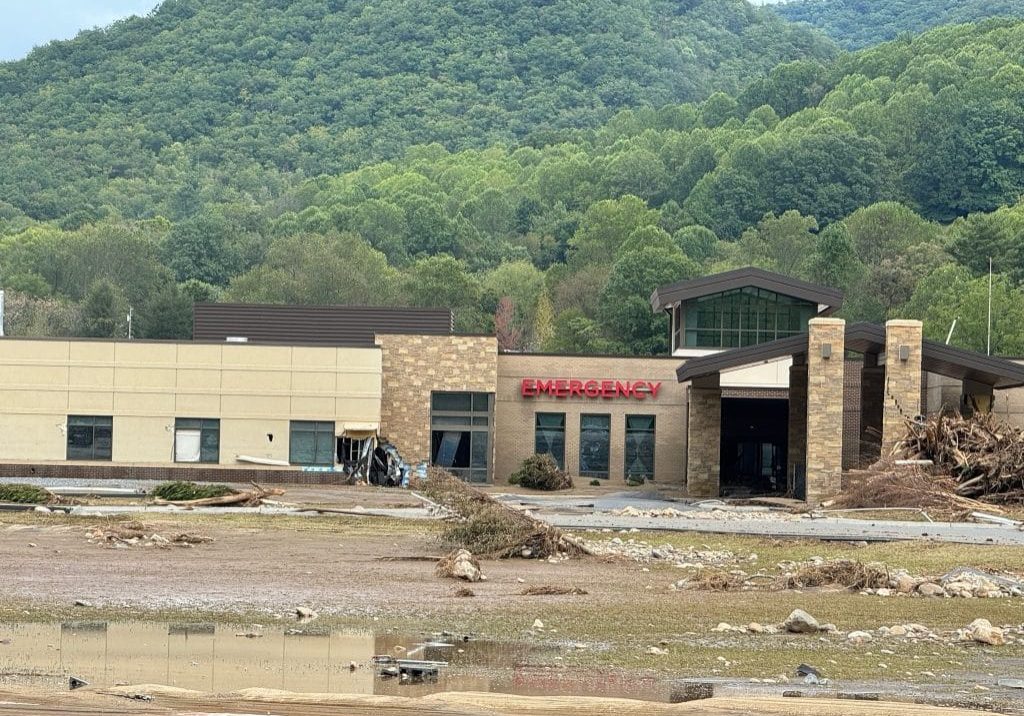
The Washout and Rebuild
For nearly two years, residents of Unicoi County, Tennessee, have had to make do without a hospital after Hurricane Helene destroyed the rural hospital. Ballad Health, which owns the hospital, broke ground on a new location — in another floodplain — in August 2026.

The Shenandoah Salamander
The Shenandoah salamander is a woodland salamander, which has adapted to life at higher elevations away from water. This sparkling rarity lives among the dry leaves, cracked logs, and stony hillocks on the highest peaks of Shenandoah National Park.

Leave a comment
Your email address will not be published. Required fields are marked *
Leave a Comment