

On July 4, President Donald Trump signed into law H.R. 1, the “One Big Beautiful Bill Act,” a budget reconciliation package with sweeping impacts on many issue areas, particularly health and the environment.
The legislation slashes healthcare and food assistance programs while repealing clean energy tax credits and subsidizing the fossil fuel industry. This is expected to result in higher energy and healthcare costs for most Americans and risk electricity blackouts.
The law also guts the Inflation Reduction Act — landmark legislation passed in 2022 to tackle the climate crisis by moving the U.S. toward cleaner energy, less pollution and more affordable electricity.
The law is expected to increase household electric bills by phasing out energy tax credits for the energy resources that are able to come online most quickly — solar and wind — as well as energy efficiency. These incentives sparked a clean energy boom in the country and added more affordable energy to the power grid. Ending the incentives will cancel projects, reduce energy generation capacity overall and increase reliance on higher-cost fossil fuels, according to reports. Researchers predict the new law will increase electric bills as much as $400 a year within a decade.
Notably, the new law phases out the tax credits for wind and solar projects for schools, businesses, churches, and utility-scale projects over the next two years. The renewable energy credits will be more difficult to access due to new, complicated restrictions that prohibit the credits for projects that use materials or equipment from certain foreign countries, such as China, Iran, North Korea and Russia. While some energy companies express support for the restriction, they have also voiced concern that the requirements as written in the law are unrealistic and too complex to navigate.
Homeowners and communities working to upgrade energy efficiency will see tax credits for electric heat pumps, efficient windows and energy audits end by the year’s close. Rooftop solar tax credits will also stop at the end of 2025, seven years earlier than under the IRA. The bill also rescinds funds that would finance clean-energy projects as well.
Another provision in the new law gives tax credits to U.S. firms producing metallurgical coal, which is largely exported overseas for use in foreign steelmaking.
Other incentives and shortcuts for oil and gas companies include repealing royalties for methane extracted from federal land and waters, mandating more oil and gas lease sales, and gutting the Environmental Protection Agency’s methane emissions reduction program. The law also allows project developers to pay a fee to expedite the environmental review process and directs agencies to set a fee that fossil fuel companies could pay to avoid environmental litigation.
Related Articles
Latest News
More Stories

Halloween Approaches, and Night School Is in Session
The House of Art in Bluefield, West Virginia, looks like a haunted tower, making it the perfect location for its sixth annual haunt event: Night School. The Night School will be open every Friday and Saturday night through Oct. 31.

‘The Most Perfect Act of Love’
After losing its rural pride celebration, hundreds of people attended the second annual Affirming Sumner Pride celebration on a 24-acre farm dubbed “Fruity Farm” in Bethpage, Sumner County, Tennessee.

Signs of Life
In the Nantahala National Forest, a team of biologists spotted Indiana bats, an endangered species that hasn’t been seen in North Carolina for the last 11 years.

‘First Line of Defense’
During Hurricane Helene and its aftermath, rural fire departments and other first responder hubs played critical roles in keeping their communities safe, even without power and cut off from outside support for days or weeks after the storm. Two years later, plenty of work remains to ensure these hubs have the resources they need to operate day to day and be ready when emergencies or natural disasters strike.

The Rocky Road — and Bridge — to Recovery
Hurricane Helene is estimated to have damaged nearly 7,000 private roads and bridges in Western North Carolina. Two years later, many restoration projects are complete, but the journey hasn’t been easy — and isn’t over for others.
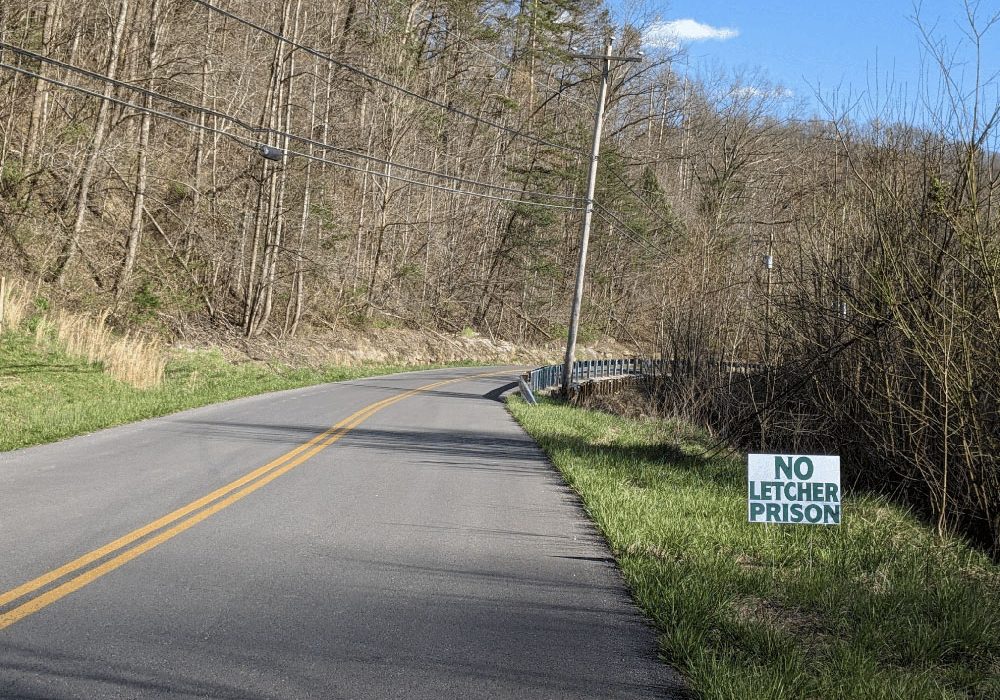
After 20 Years, Letcher County Prison Proposal Is Still Alive, Though Obstacles Remain
A $605 million proposal for a federal prison on a former strip mine site in Letcher County, Kentucky, championed by U.S. Rep. Hal Rogers, refuses to die, despite local opposition, a lack of support from the executive branch and numerous other obstacles.

Leave a comment
Your email address will not be published. Required fields are marked *
Leave a Comment