

Debris Removal in Waterways Causes Concern
By Erin Savage
As the region recovers from Hurricane Helene, cleanup of debris in rivers has become an unanticipated point of tension in North Carolina and Tennessee amid a vast debris removal project that has included lakes, roadsides and private properties. While there is agreement regarding the need for some debris removal in public waterways, there is disagreement about how much should be removed and at what cost.
Local river advocates were initially eager for help from the federal government to remove large debris piles, cars, parts of buildings and other trash from waterways. But in some cases, the resulting work included more damage — crushing fragile aquatic life and riverbed habitat with heavy machinery and removing live vegetation from banks.
Others wanted to see more extensive removal due to concerns that trees left in the river will pose a hazard to recreational users, exacerbate future flooding or damage bridges.

Debris removal is typically organized through the U.S. Army Corps of Engineers and funded through the Federal Emergency Management Agency, but the work is contracted out to disaster recovery companies. FEMA guidance dictates that only storm-related debris removal will be reimbursed.
However, contracts often base payments on the weight or volume of debris removal, which incentivizes contractors to remove the largest, heaviest types of debris. The result, according to numerous firsthand accounts, is that companies routinely remove logs that predate the storm, root balls that stabilize riverbanks, and even live trees. This removal can damage habitats and make river banks prone to erosion. At the same time, smaller man-made trash has often been left behind.
Erica Shanks, the Green Riverkeeper at MountainTrue, oversees a cleanup crew working on the lower stretch of the Green River in Polk County, North Carolina. She reports that the crew has removed over 13,000 pounds of trash after federal contractors completed their debris removal.
“The Army Corps moved quickly and efficiently to clean up the mess from Hurricane Helene, but moving fast with little oversight allowed them to cut a lot of corners and in some cases do significant ecological damage to our waterways,” says Hartwell Carson, clean waters director at MountainTrue, a Western North Carolina-based nonprofit.
Finding a balance between protecting human life and infrastructure and protecting healthy river ecology is challenging. Advocacy groups suggest taking time to create site-specific work plans, including hydrologists or ecologists in work crews, and basing contracts on length of river cleaned, rather than amount of debris removed, to better protect healthy waterways and result in more effective debris removal.

Related Articles
Latest News
More Stories

Halloween Approaches, and Night School Is in Session
The House of Art in Bluefield, West Virginia, looks like a haunted tower, making it the perfect location for its sixth annual haunt event: Night School. The Night School will be open every Friday and Saturday night through Oct. 31.
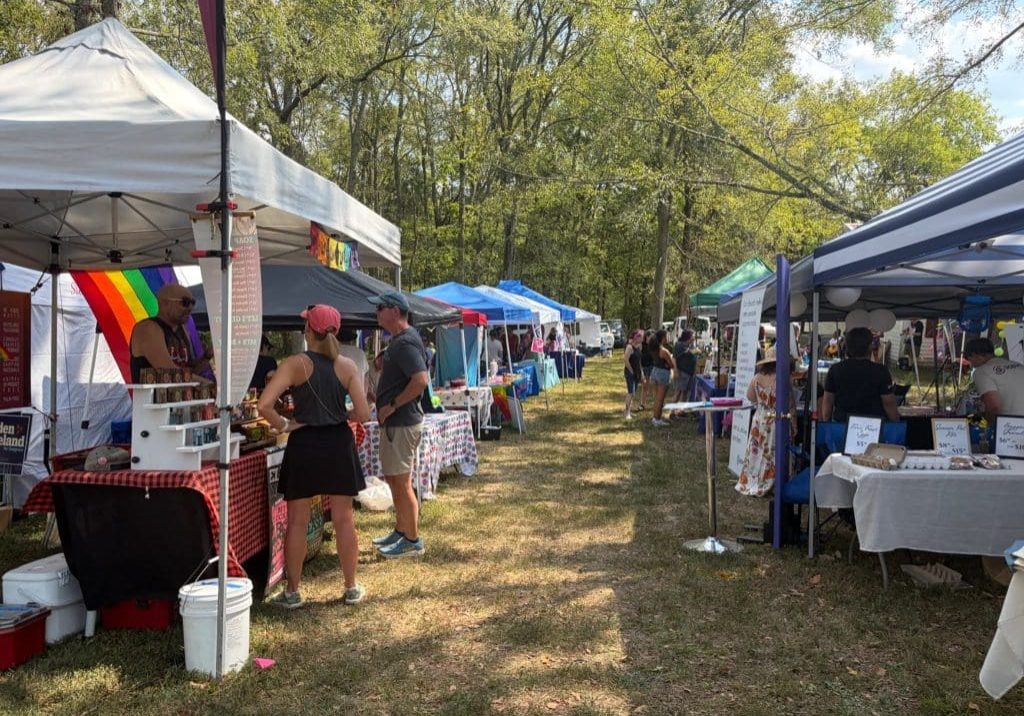
‘The Most Perfect Act of Love’
After losing its rural pride celebration, hundreds of people attended the second annual Affirming Sumner Pride celebration on a 24-acre farm dubbed “Fruity Farm” in Bethpage, Sumner County, Tennessee.

Signs of Life
In the Nantahala National Forest, a team of biologists spotted Indiana bats, an endangered species that hasn’t been seen in North Carolina for the last 11 years.

‘First Line of Defense’
During Hurricane Helene and its aftermath, rural fire departments and other first responder hubs played critical roles in keeping their communities safe, even without power and cut off from outside support for days or weeks after the storm. Two years later, plenty of work remains to ensure these hubs have the resources they need to operate day to day and be ready when emergencies or natural disasters strike.

The Rocky Road — and Bridge — to Recovery
Hurricane Helene is estimated to have damaged nearly 7,000 private roads and bridges in Western North Carolina. Two years later, many restoration projects are complete, but the journey hasn’t been easy — and isn’t over for others.
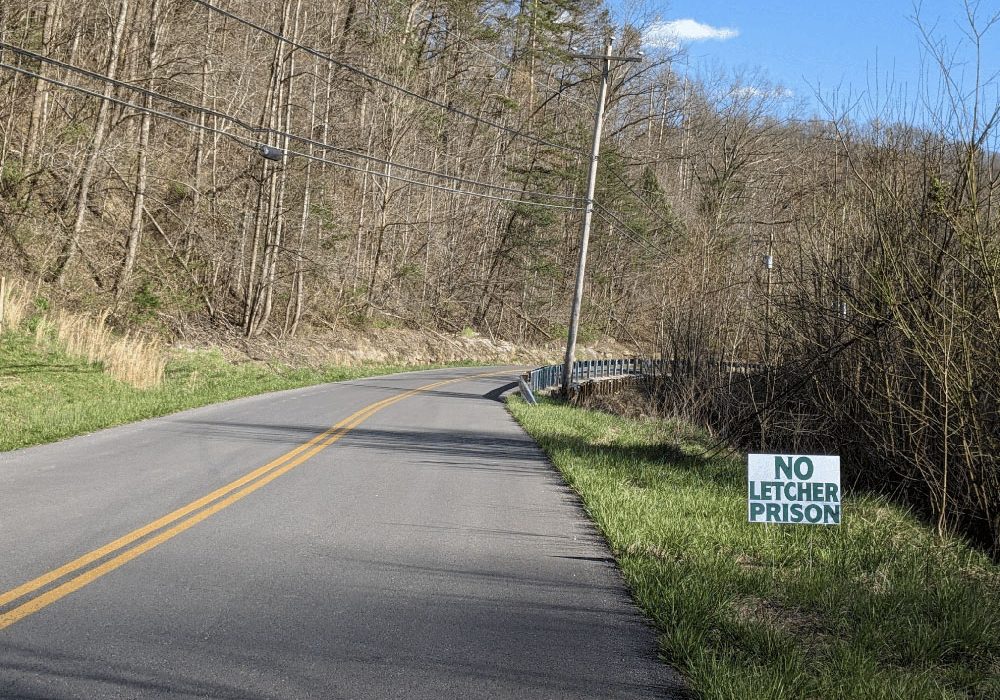
After 20 Years, Letcher County Prison Proposal Is Still Alive, Though Obstacles Remain
A $605 million proposal for a federal prison on a former strip mine site in Letcher County, Kentucky, championed by U.S. Rep. Hal Rogers, refuses to die, despite local opposition, a lack of support from the executive branch and numerous other obstacles.

Leave a comment
Your email address will not be published. Required fields are marked *
Leave a Comment