

People vs. Pipelines
Perspective from a farm in East Tennessee
By Holley Evergreen Roberts
Patricia Smarsh of Wartburg, Tennessee, recalls growing up on a 100-acre farm that grew tobacco, corn and hay, and included a herd of cattle, pigs and chickens.
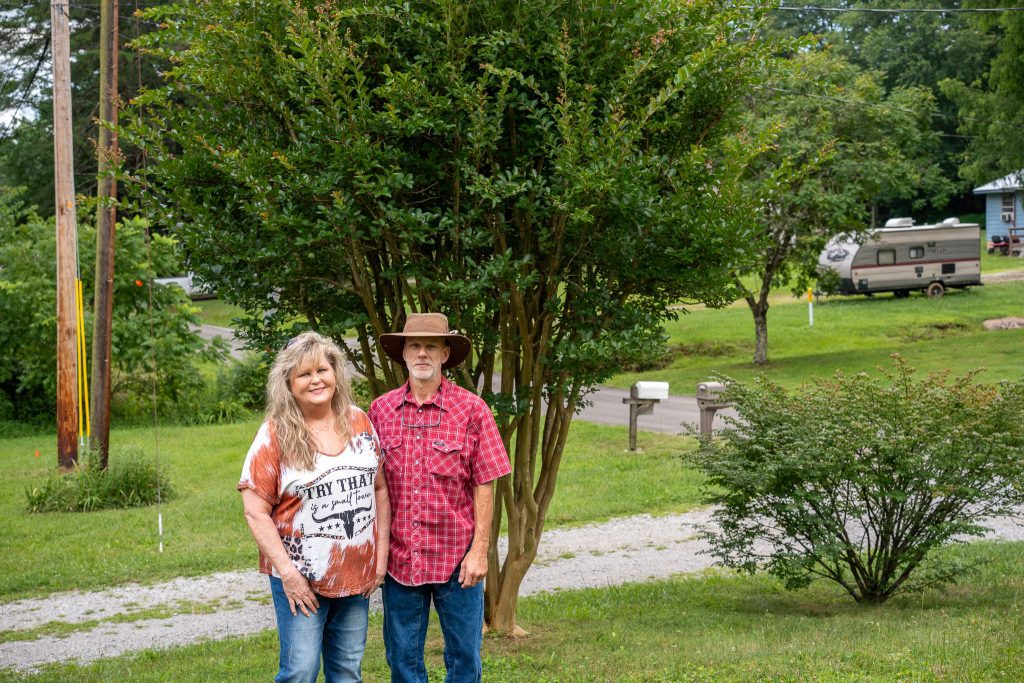
“That childhood that I was raised in made me who I am today, even though I tried to bypass it out of college and go to the big cities,” she says. “But now there’s no place like having the trees, fields and creeks.”
Smarsh and her husband, Jeffrey Gilliam, now own their own 6-acre plot of land in the area, but it’s threatened by the Ridgeline Pipeline, a proposed methane gas project from Enbridge Inc.
“When the Enbridge rep came to the door wanting signatures for a survey, that’s how we found out,” Smarsh says.
The Enbridge representative informed them about a small easement from 1949, back when land deeds were handwritten. Prior easements like these can give pipeline companies broad leeway to add new infrastructure, and these provisions are not always clear to landowners.
“We did not know it was going to be such a big pipe and that it was going to be methane,” she says.
The couple is deeply concerned about the impacts the pipeline could have on their well water and the diverse flora and fauna around them, among other threats the pipeline poses. One of Smarsh’s many concerns is the family’s trees.
“We’ve got a couple of 70- to 80-year-old crepe myrtles out here along the driveway, and they’re just beautiful,” she says.
When the Enbridge representative asked multiple times why she couldn’t just do away with them and plant new ones afterward, Smarsh said she told them emphatically, “because we’ll never see a tree like that again in my lifetime!”
Gilliam adds, “Yeah, they act like our trees and our property ain’t nothing, you know? There’s resources on the Earth to provide everything we need without having to destroy the Earth and ourselves for it,” he says, “but they can’t make money off of it.”
Smarsh described Enbridge’s process of dealing with landowners as wearing people down until they give in to the company out of exhaustion.
The Tennessee Valley Authority is behind Enbridge’s pipeline because TVA wants to use the gas for a new power plant at its Kingston site. The couple would rather see “alternative types of truly more environmentally friendly options.”
Their advice for people facing similar offers from companies like Enbridge is: “If you don’t understand [their offer], ask questions. Don’t rush in. If you can’t get your questions answered, ask for help.”
They implore the decision-makers at TVA and Enbridge to practice “open heartedness and good communication, and take a minute to stand in others’ shoes … and think about the generations to come.”
Smarsh adds, “[The] Lord made this planet for us to live on, you know, and it’s alive itself. So, I mean, if we continue down this path, you’re not only killing the planet, but you’re killing us, too.”
Related Articles
Latest News
More Stories

Signs of Life
In the Nantahala National Forest, a team of biologists spotted Indiana bats, an endangered species that hasn’t been seen in North Carolina for the last 11 years.

‘First Line of Defense’
During Hurricane Helene and its aftermath, rural fire departments and other first responder hubs played critical roles in keeping their communities safe, even without power and cut off from outside support for days or weeks after the storm. Two years later, plenty of work remains to ensure these hubs have the resources they need to operate day to day and be ready when emergencies or natural disasters strike.

The Rocky Road — and Bridge — to Recovery
Hurricane Helene is estimated to have damaged nearly 7,000 private roads and bridges in Western North Carolina. Two years later, many restoration projects are complete, but the journey hasn’t been easy — and isn’t over for others.
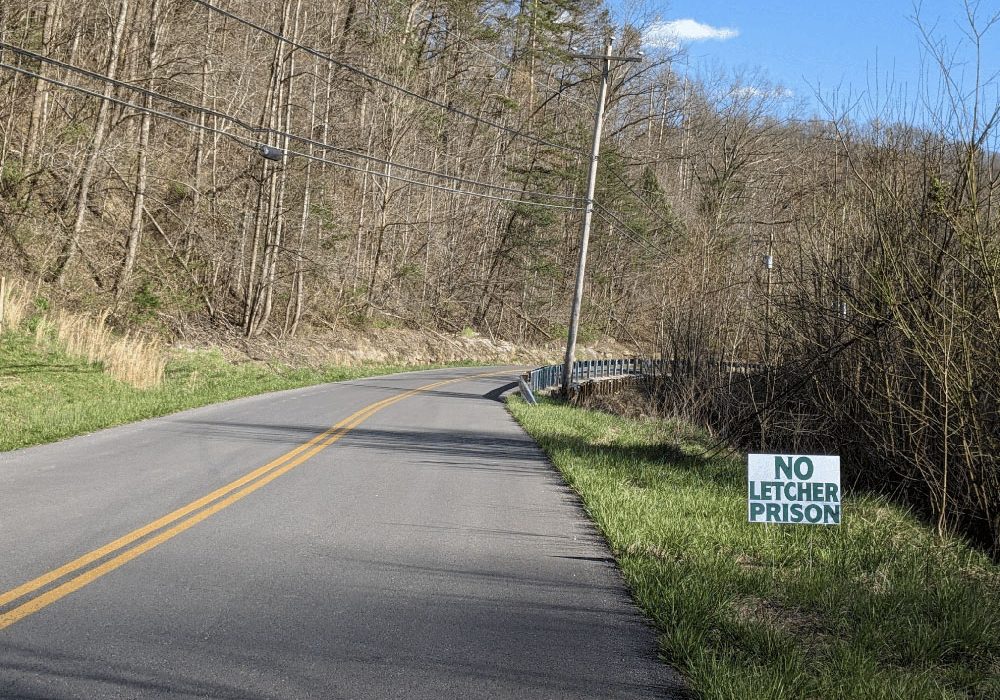
After 20 Years, Letcher County Prison Proposal Is Still Alive, Though Obstacles Remain
A $605 million proposal for a federal prison on a former strip mine site in Letcher County, Kentucky, championed by U.S. Rep. Hal Rogers, refuses to die, despite local opposition, a lack of support from the executive branch and numerous other obstacles.
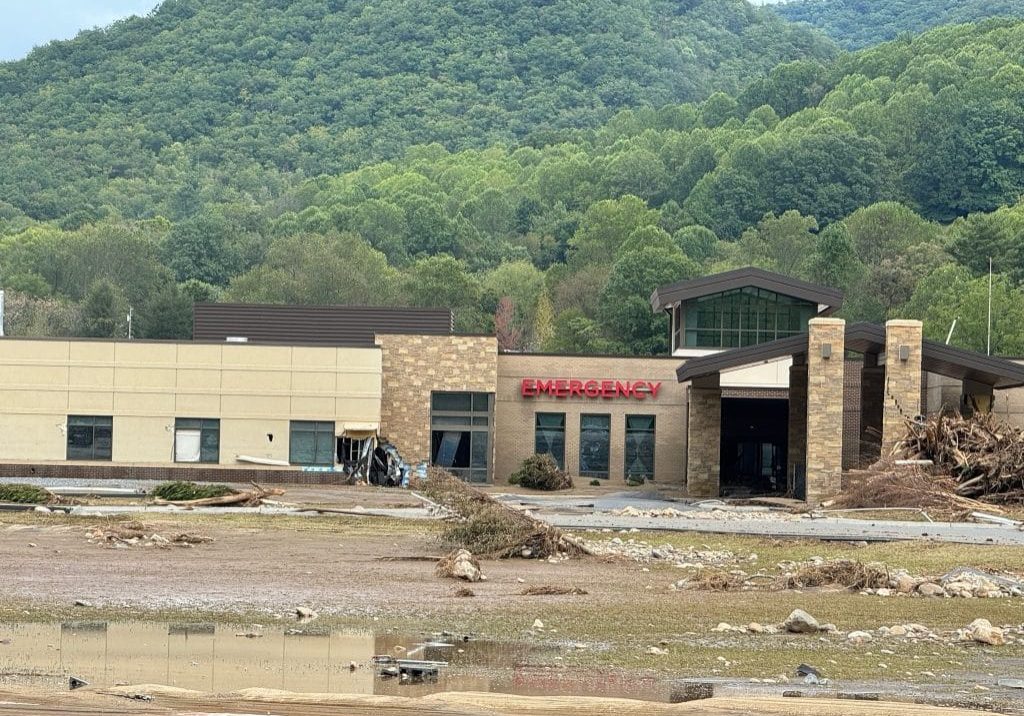
The Washout and Rebuild
For nearly two years, residents of Unicoi County, Tennessee, have had to make do without a hospital after Hurricane Helene destroyed the rural hospital. Ballad Health, which owns the hospital, broke ground on a new location — in another floodplain — in August 2026.

The Shenandoah Salamander
The Shenandoah salamander is a woodland salamander, which has adapted to life at higher elevations away from water. This sparkling rarity lives among the dry leaves, cracked logs, and stony hillocks on the highest peaks of Shenandoah National Park.

Leave a comment
Your email address will not be published. Required fields are marked *
One response to “People vs. Pipelines”
-

When I read, ““We’ve got a couple of 70- to 80-year-old crepe myrtles out here along the driveway, and they’re just beautiful,” I looked immediately for pictures of them. What a missed photo opportunity. Seeing those beautiful trees even if they weren’t in bloom is enough of a reason to get behind the landowners. Of course, I’m a northern Kentuckian who’s not dealing with the eminent devastation a pipeline like that could do. This is another good reason to do away with the use of fossil fuels everyplace.

Leave a Comment