

Last spring, the U.S. Environmental Protection Agency announced its intention to roll back dozens of vital environmental health protections, calling it the “biggest deregulatory action in U.S. history.”
The rollbacks would weaken or eliminate rules mandating reductions in greenhouse gas and other air pollution emissions, including mercury, from power plants. It would also loosen restrictions on wastewater discharges from the plants. Current federal requirements to clean up old coal ash dumps not covered by previous rules could also be eliminated.
And, rather than wait for the normal, deliberate rule-changing process, the EPA announced that coal-burning power plants could get an immediate exemption from many of these rules by simply sending an email to the White House.
The agency has also said it will revisit its own 2009 scientific finding that increasing man-made greenhouse gas emissions endangered public health and welfare. If the agency reverses that finding, it would limit EPA’s legal authority to regulate those emissions.
A 2024 measure that tightened baseline air quality standards for fine particulate matter, known as soot, could also be reversed. EPA Administrator Lee Zeldin also promised to end the Good Neighbor Plan, a policy to reduce cross-state emissions that the EPA previously estimated could prevent 1,300 deaths annually.
The EPA also announced plans to rescind and reconsider limits on four different types of PFAS “forever chemicals” in drinking water, including one commonly known as GenX. The agency is keeping but delaying the Biden administration’s limits on two common types of PFAS.
Zeldin added four new mandates to EPA’s original core mission to protect public health and the environment: help make America more “energy dominant,” shorten the environmental permitting process, restore auto jobs and make the United States the world’s leader in artificial intelligence.
Zeldin also announced significant staffing cuts — saying levels would be reduced to what they were in the 1980s, which could mean the loss of thousands of jobs. The administration fired or reassigned hundreds of EPA staff who worked on protecting members of the public, particularly the most disadvantaged, against discrimination and pollution. The EPA also plans cuts to the Office of Research and Development, which provides scientific analysis about the risks of environmental hazards.
In June, hundreds of EPA employees signed a public letter accusing the Trump administration of politicizing the EPA and ignoring both science and the law by abdicating its statutory responsibilities. More than 140 of the employees who signed their names publicly were notified days later that they were suspended pending an investigation of the letter.
Related Articles
Latest News
More Stories

Halloween Approaches, and Night School Is in Session
The House of Art in Bluefield, West Virginia, looks like a haunted tower, making it the perfect location for its sixth annual haunt event: Night School. The Night School will be open every Friday and Saturday night through Oct. 31.

‘The Most Perfect Act of Love’
After losing its rural pride celebration, hundreds of people attended the second annual Affirming Sumner Pride celebration on a 24-acre farm dubbed “Fruity Farm” in Bethpage, Sumner County, Tennessee.

Signs of Life
In the Nantahala National Forest, a team of biologists spotted Indiana bats, an endangered species that hasn’t been seen in North Carolina for the last 11 years.

‘First Line of Defense’
During Hurricane Helene and its aftermath, rural fire departments and other first responder hubs played critical roles in keeping their communities safe, even without power and cut off from outside support for days or weeks after the storm. Two years later, plenty of work remains to ensure these hubs have the resources they need to operate day to day and be ready when emergencies or natural disasters strike.

The Rocky Road — and Bridge — to Recovery
Hurricane Helene is estimated to have damaged nearly 7,000 private roads and bridges in Western North Carolina. Two years later, many restoration projects are complete, but the journey hasn’t been easy — and isn’t over for others.
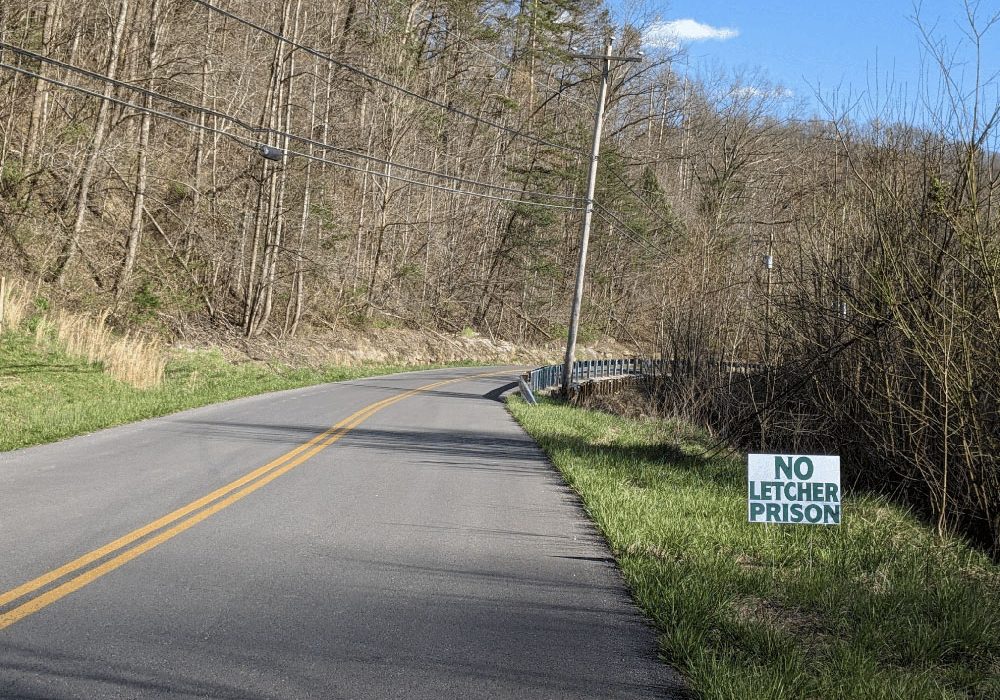
After 20 Years, Letcher County Prison Proposal Is Still Alive, Though Obstacles Remain
A $605 million proposal for a federal prison on a former strip mine site in Letcher County, Kentucky, championed by U.S. Rep. Hal Rogers, refuses to die, despite local opposition, a lack of support from the executive branch and numerous other obstacles.

Leave a comment
Your email address will not be published. Required fields are marked *
Leave a Comment