
Front Porch Blog
Virginia rejoins RGGI
A win for clean air, energy efficiency, flood preparedness and household bills

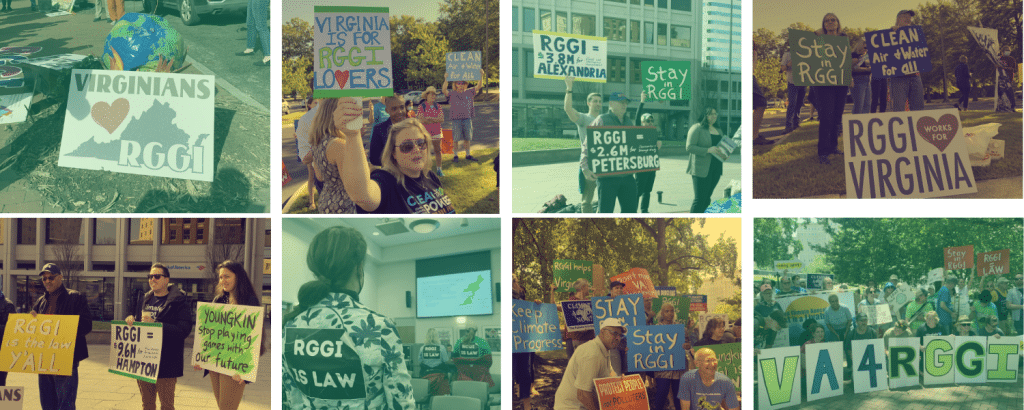
After Governor Glenn Youngkin illegally withdrew Virginia from RGGI in 2023, concerned residents and advocates repeatedly held rallies calling on legislators to rejoin the regional pact. Graphic by Jen Lawhorne

On July 1, as a heat wave baked the commonwealth, Virginia rejoined the Regional Greenhouse Gas Initiative, more commonly known as RGGI. Virginia’s participation in RGGI will drive down pollution from power plants and provide hundreds of millions of dollars each year to help protect communities from flooding and to fund energy efficiency programs that lower bills. And by reducing our dependence on coal and methane gas, participating in RGGI will help protect consumers from high fuel costs.
RGGI is a market-based program that reduces pollution over time and encourages utilities to switch to cleaner sources of energy like solar and wind power. RGGI places a cap on carbon emissions from the electric power sector. Power plants that burn fossil fuels have to buy allowances for the carbon pollution they release into the air. Participating states sell these allowances through auctions, and the money raised goes back to the states. The number of allowances available declines each year, forcing utilities to transition to cleaner energy. States can then use that money for things like lowering electric bills, energy efficiency, renewable energy, and projects that reduce the impacts of flooding, along with other measures to adapt to a warming world.
In Virginia, that money — more than $800 million was collected in the first three years of the commonwealth’s participation — has mostly gone towards energy efficiency programs for low-income residents and investments in flood preparedness, as required by state law.
Former Gov. Glenn Youngkin illegally withdrew Virginia from RGGI in 2023. Keen observers will note that electricity rates did not decline as a result of Youngkin’s action. In fact, residential rates have gone up about 20% since 2023. Meanwhile, Virginia missed out on hundreds of millions of dollars of auction funds that would have been directed to energy efficiency programs to meaningfully lower people’s bills. Plus, during its first three years in RGGI, Virginia lowered carbon pollution by 10%, from 28.5 million tons to 25.6 million tons. After Youngkin’s illegal exit from the program, Virginia’s carbon pollution rose to 33.4 million tons by 2025.
Language enacted in the most recent budget required Virginia to rejoin RGGI. Further, the recently signed HB 397 and SB 802 clarified that Virginia’s participation in RGGI is not merely an option, but required. This is smart policy, as participating in RGGI will cut carbon pollution while protecting consumers from the price swings of fossil fuel costs and helping build resilience in a more volatile climate.
Last month, front-page headlines across the state blared the news that Dominion Energy is asking to raise our electric bills to cover the costs of re-entering RGGI. While utilities look for any excuse to ask for a rate increase, Virginia’s re-entry into RGGI should result in lower bills, less pollution and more money for residential energy efficiency and efforts to prepare for and prevent flooding. Virginia legislators recently approved new language that will direct 45% of RGGI auction revenues towards customer bill credits.
Dominion has been going all-in on fossil fuels in the meantime, proposing massive new methane gas plants in Chesterfield and Cumberland counties to meet rising energy demand from data centers. Higher fuel costs due to price unpredictability and supply chain disruptions like the war in Iran also inflate our electric bills. One hundred percent of the cost of the fuel to power these gas plants is passed onto customers. So when the cost of methane gas spikes, those costs do not reduce Dominion’s profits but get passed entirely to customers like you.
For example, when Winter Storm Fern hit and caused temperatures to plummet this winter, Dominion had to buy extra fuel at very high prices to keep power plants running so people didn’t lose electricity. Dominion wants to spread the extra $1 billion in fuel costs across customers’ future electric bills. RGGI can help – it pushes us to move away from expensive, dirty fossil fuels toward cleaner, more affordable and reliable solutions.
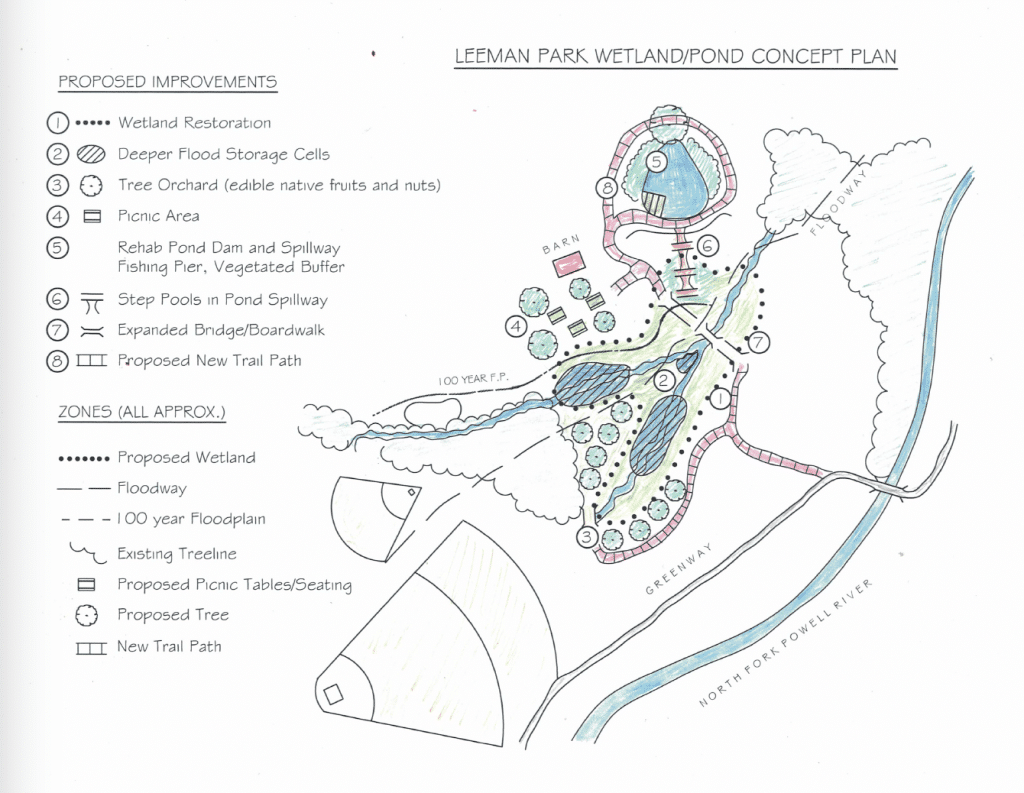
Meanwhile, Virginians will benefit from money flowing again into the Community Flood Preparedness Fund (funded by RGGI), which has provided grants to communities large and small like Roanoke, Richmond, Wise, Damascus, Pennington Gap and others across the state to fund projects that help communities prepare for and prevent severe flood damage. RGGI proceeds will also fund low-income energy-efficiency programs like Weatherization Deferral Repair and Affordable Special Needs Housing programs that help drive down energy costs for customers over the short and long term. Households that receive RGGI-funded energy efficiency upgrades save an average of $676 per year on their energy bills.
Don’t be fooled by the headlines about Dominion Energy’s rate-hike request — RGGI is part of the solution to higher bills. Proceeds from RGGI will fund flood mitigation projects across the commonwealth and quite possibly your community. Now is the time to celebrate the cleaner air, lower bills and more resilient communities that will come with Virginia rejoining RGGI.

PREVIOUS
NEXT

Leave a comment
Your email address will not be published. Required fields are marked *
One response to “Virginia rejoins RGGI”
-

It is obvious that the health of citizens are undervalued by the current EPA and TVA.

Leave a Comment