

Signs of Life
Endangered bats found in Nantahala for first time in more than a decade
By Matt Dhillon
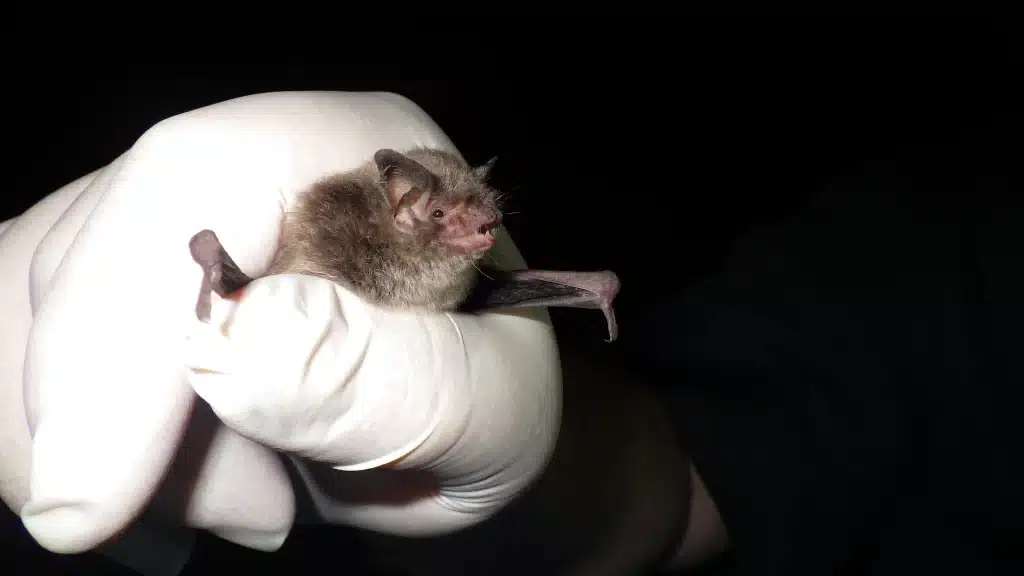
In the dwindling light of a hot summer day evaporating through the understory of the Nantahala National Forest, a team of biologists takes positions around a column of dead hemlock wood. Soon, little balls of fur the size of a child’s fist crawl out of gaps under the peeling bark and launch into the air.
These are Indiana bats, a creature that hasn’t been seen in North Carolina in the last 11 years. The team has tracked the rare bats through stubborn rhododendron elbows back to this roost, a crumbling snag of standing dead wood. Here they prepare for an emergence count, methodically counting the bats as they leave the roost at dusk to estimate the colony’s size.
Monitoring the Nantahala National Forest
Indiana bats were among the first species added to the endangered species list in 1967. They cluster in concentrated groups to hibernate, which has made them vulnerable to human disturbances and habitat loss. In 2011, a fungal disease known as white-nose syndrome, WNS, arrived in North Carolina and devastated the precarious bat populations. Nantahala is on the eastern edge of the Indiana bat’s range, which covers much of the Midwest, and the species nearly disappeared from the forest.
Then, on a rainy night in June 2026, researchers sighted the rare bats again. Katherine Etchison, a biologist for the North Carolina Wildlife Resources Commission, leads bat monitoring in the area. She was tracking the impacts of white-nose syndrome when her optimism paid dividends.
“It was the kind of night where you normally pack it in,” Etchison says. “But I was just being stubborn about it because we had dedicated the whole week to being out there.”
When her team finally opened the mist nets in a break in the rain, something unexpected landed within 15 minutes.
The next night her team caught four more Indiana bats — a huge windfall. Etchison had caught just one, in 2015, in her whole time working for the commission. On top of that, all five of these were lactating females.
“Just catching an Indiana bat alone would have been a huge find for us, but the fact that all five were females who were reproductive was just the biggest win we could have asked for,” Etchison says. “That was kind of the best part of it all, really. It gives you some amount of hope.”
Indiana bats are in the genus Myotis, named for their distinctively pointy ears. Myotis means mouse-eared. A dull gray belly and light brown back can set them apart from their cousins, but the identifying mark of an Indiana bat is found by parsing the bat’s toes. It has short toe hairs that do not extend past the claw.
Along with Indiana bats, three other bat species have severely declined since white-nose syndrome hit the area: little-brown bats, tri-colored bats and Northern long-eared bats. In 2023, Etchison expanded bat monitoring efforts in this remote corner of Graham County to look for them.
That effort turned up several little-brown bats and two tri-colored bats in 2025, leaving only Northern long-eared bats from her list. These species have declined in population by more than 90% across the Eastern U.S. from white-nose syndrome, Etchison explains, and each species had not been caught in the area for more than a decade.
A deadly fungus
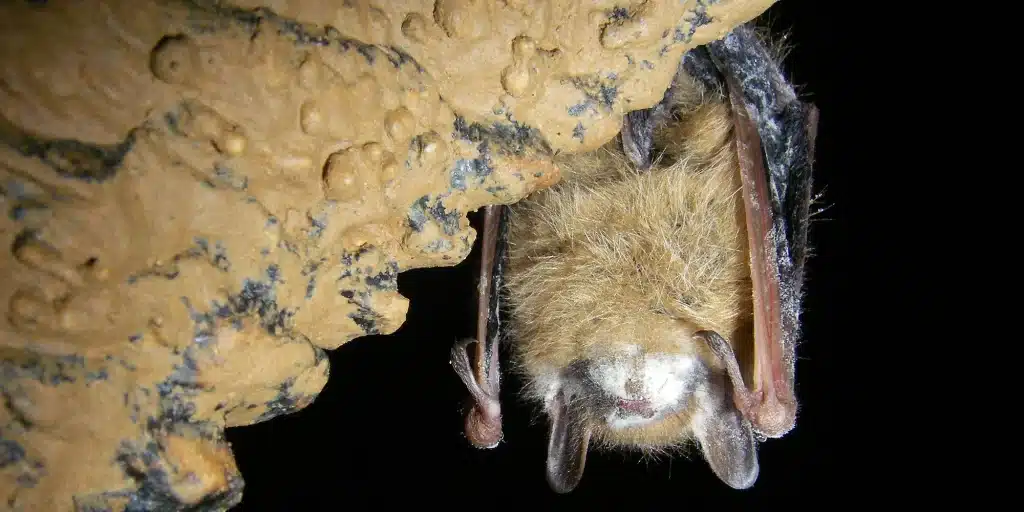
First observed in New York in 2006, white-nose syndrome spread mostly on the backs of bats, but also laid dormant in cave crevices or hitchhiked on human clothing and gear. The fungus thrives in relatively cold environments, the 40s and 50s Fahrenheit, around the temperature of a cave. This is why it infects bats while they hibernate and lower their body temperatures near the ambient temperature of their subterranean home.
Not all bats hibernate over the winter, but those that do, and those that are limited to a few specific locations, are particularly susceptible to the disease. The fungus can disturb their hibernation, waking them up enough and burning through enough of their fat reserves that they eventually starve before spring. Even without waking up, infected bats expend twice as much energy as healthy bats, according to a study published in 2014. More directly, the fungus can also penetrate into their wing tissue and disrupt physiologic functions like circulation.
The disease is the biggest threat hibernating bats face, Etchison explains.
“To put it into a tangible example, one of the sites we monitor is a mine, and before white-nose hit it had the largest count of hibernating bats in the state,” Etchison says. “It had 3,500 to 4,000 hibernating bats in it, and now we see about 30 bats in it. So that’s the kind of decline we’re talking about. It’s just been a tremendous mortality event.”
Steps to survival
Bats fill a unique role as nocturnal insect predators. Few predators hunt insects at night, Etchison explains, and a reproductive female bat can eat her body weight in insects in a single night. The appetite of bats is large enough that it saves the US corn industry more than 1 billion dollars a year in the application of pesticides, according to a study published in 2015.
Discovering these Indiana bats and other endangered species will help direct and locate conservation efforts. From what is known about how far they travel between summer and winter grounds, Etchison suspects these bats belong to a winter colony that hibernates in a few caves in Tennessee.
“To do any sort of effective conservation or management for these species, we really need to know where they are,” Etchison says.
There’s also the hope that surviving populations are passing on some form of resistance to white-nose syndrome. In areas that have had the disease the longest, like New England, certain populations are beginning to show signs of recovery, according to Etchison.
In Graham County, the Indiana bats emerge one by one from their roost and take flight. The tracking team counts 24 total. It’s a promising number, especially with pups among them. For now, they’re healthy and safe as they swivel in the air. They survive.
Related Articles
Latest News
More Stories

‘First Line of Defense’
During Hurricane Helene and its aftermath, rural fire departments and other first responder hubs played critical roles in keeping their communities safe, even without power and cut off from outside support for days or weeks after the storm. Two years later, plenty of work remains to ensure these hubs have the resources they need to operate day to day and be ready when emergencies or natural disasters strike.

The Rocky Road — and Bridge — to Recovery
Hurricane Helene is estimated to have damaged nearly 7,000 private roads and bridges in Western North Carolina. Two years later, many restoration projects are complete, but the journey hasn’t been easy — and isn’t over for others.
After 20 Years, Letcher County Prison Proposal Is Still Alive, Though Obstacles Remain
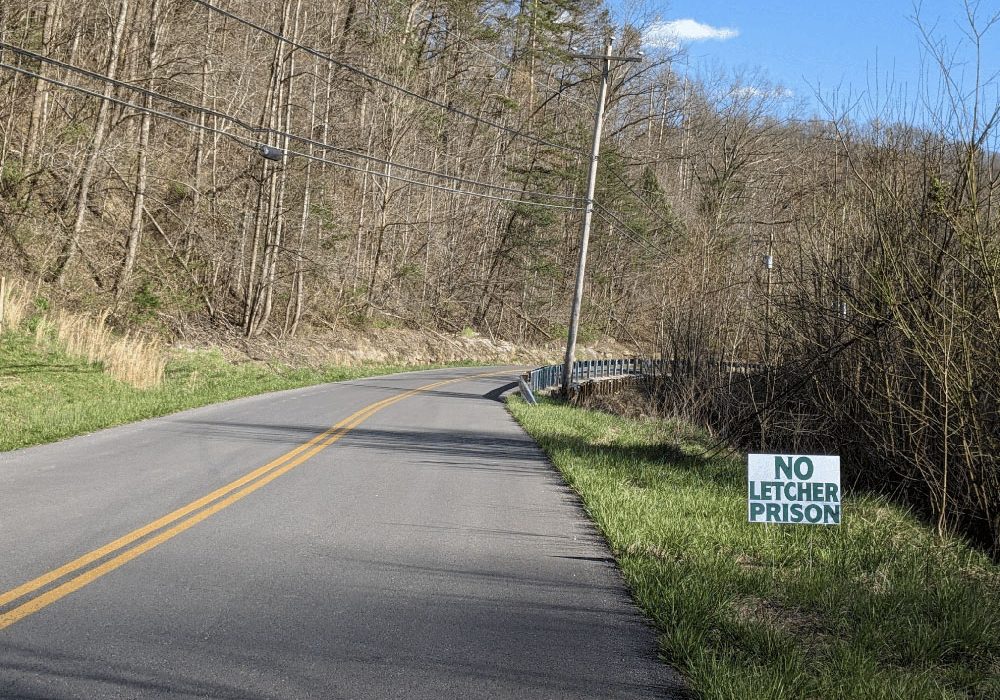
A $605 million proposal for a federal prison on a former strip mine site in Letcher County, Kentucky, championed by U.S. Rep. Hal Rogers, refuses to die, despite local opposition, a lack of support from the executive branch and numerous other obstacles.
The Washout and Rebuild
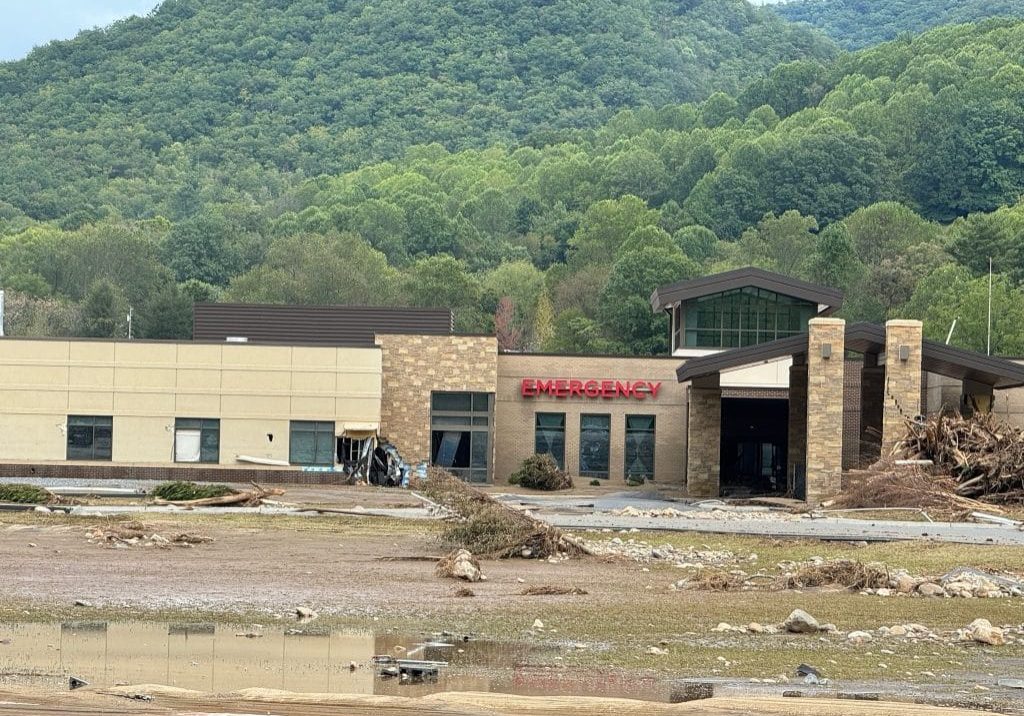
For nearly two years, residents of Unicoi County, Tennessee, have had to make do without a hospital after Hurricane Helene destroyed the rural hospital. Ballad Health, which owns the hospital, broke ground on a new location — in another floodplain — in August 2026.
The Shenandoah Salamander
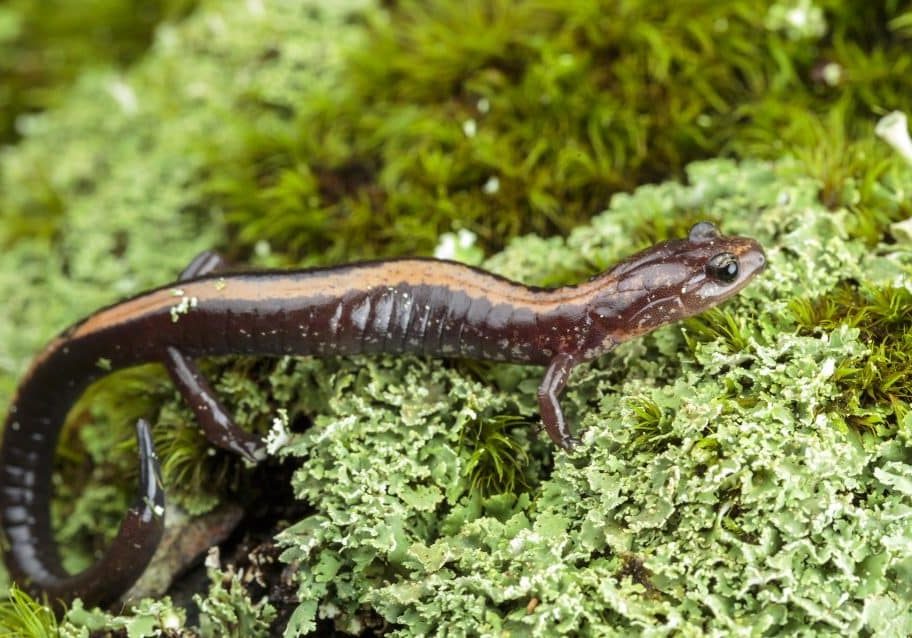
The Shenandoah salamander is a woodland salamander, which has adapted to life at higher elevations away from water. This sparkling rarity lives among the dry leaves, cracked logs, and stony hillocks on the highest peaks of Shenandoah National Park.
‘Foraging Is a Way of Connecting’
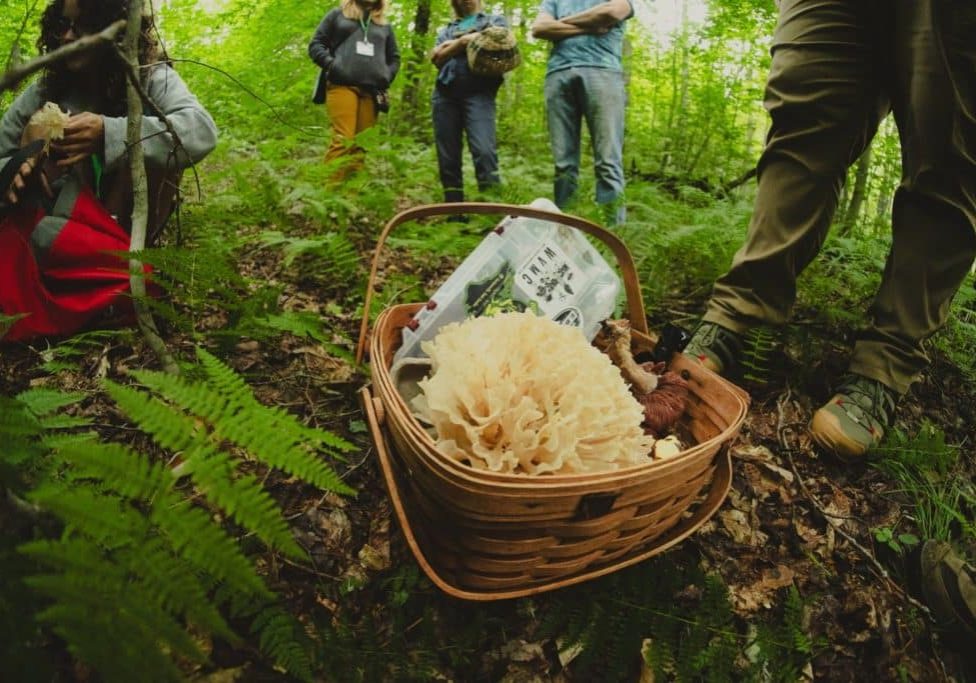
Foraging has experienced a modern resurgence, partly because of social media, online groups, the pandemic and people wanting to connect with nature. It also builds community, whether in person or online.

Leave a comment
Your email address will not be published. Required fields are marked *
Leave a Comment