
Posts Tagged ‘North Carolina’
Faced with Threats to Nolichucky River, Residents Unite
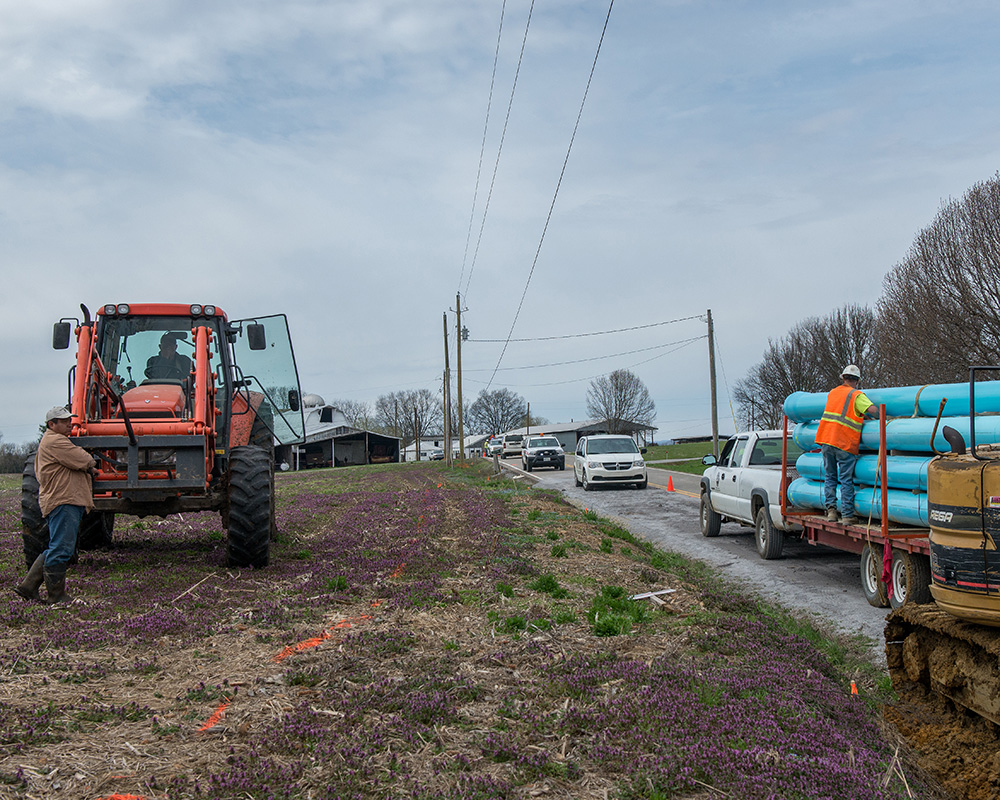
Concerned citizens have joined together to monitor the Nolichucky River in East Tennessee for pollution that could result from a new industrial pipeline. Though the water is still at risk, opposition to the pipeline has spurred community engagement.
Read MoreNC DEQ’s blatant bid for control
Over the past few months, the North Carolina Department of Environmental Quality has seemed determined to have complete environmental regulatory control with little regard for federal or public input. In this endeavor, DEQ has taken every chance to highlight how external forces, including citizens groups and the U.S. Environmental Protection Agency, are simply getting in its way.
Read MoreOrganizing Around the Clean Power Plan
The U.S. Environmental Protection Agency finalized the first limits on carbon dioxide emissions from power plants earlier this year. Known as the Clean Power Plan, the rules give states a wide degree of flexibility to determine how to reduce their carbon emissions. Our teams are hard at work in the Appalachian states to ensure that…
Read MoreCoal Ash Management Continues to Challenge Region
Legal challenges continue in North Carolina, as new contamination from coal ash is identified in Tennessee.
Read MoreCompetition in Solar Power Challenges Utilities
Utility companies in North Carolina and Virginia attempt to block third-party solar power from gaining a foothold in their coverage areas.
Read MoreNorth Carolina lawmakers put fracking first
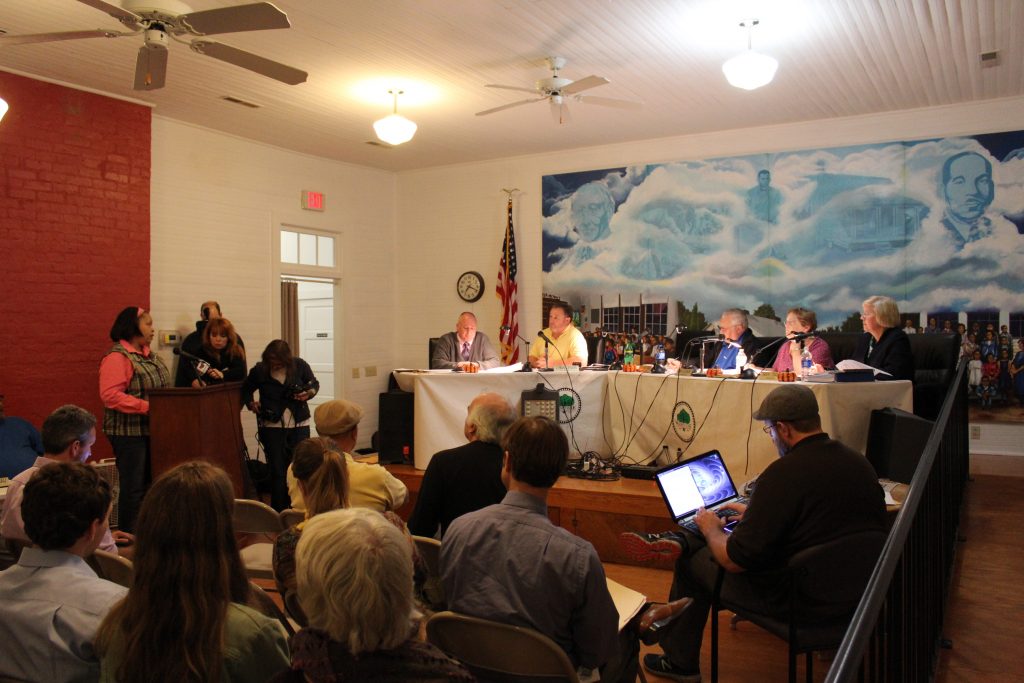
Residents across North Carolina are looking to their local government officials to oppose fracking since pleas to decision makers in Raleigh have largely fallen on deaf ears. The town of Walnut Cove, N.C., and Rockingham County recently joined the small but growing list of localities where commissions of elected officials have passed anti-fracking moratoriums.
Read MorePro-solar group gets on Duke Energy’s bad side
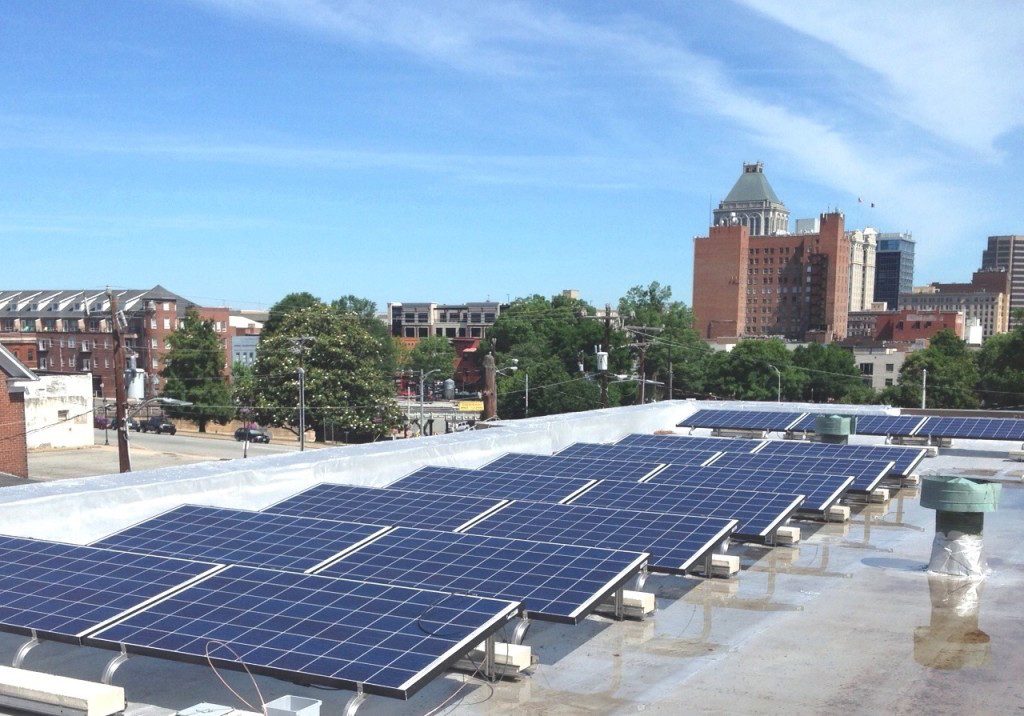
Duke Energy wants to smack down NC WARN for setting up a experimental solar project on the rooftop of a Greensboro church and testing a law prohibiting third-party electricity sales in North Carolina. The company is not helping its reputation for quashing clean energy efforts that aren’t its own.
Read MoreGov. McCrory signs “Polluter Protection Act”

Late last Friday afternoon, North Carolina Gov. Pat McCrory signed into law H765, the “Regulatory Reform Act of 2015.” This massive reform bill should be called “The Polluter Protection Act” with its plethora of anti-environmental provisions, rollbacks and giveaways to industry. So, just how bad is this bill?
Read MoreN.C. General Assembly restricts local governments on fracking

In the final hours of the legislative session, the N.C. General Assembly approved Senate Bill 119, which contains a provision that invalidates local ordinances put in place to restrict fracking. The provision was added just days after commissioners in Stokes County approved a three-year moratorium on oil and gas operations in the county.
Read MoreLiving on Bottled Water
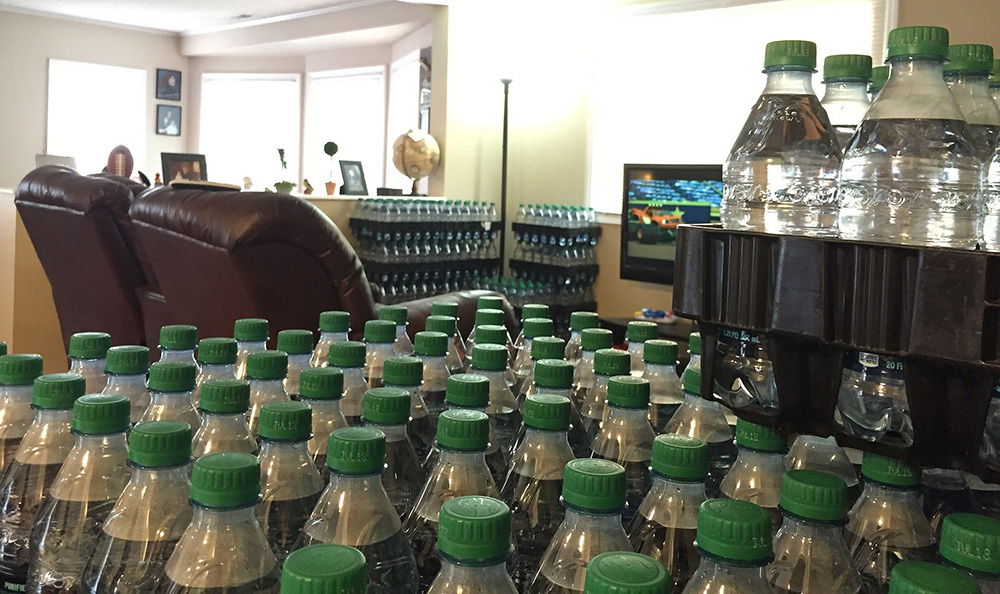
Residents of Belmont, N.C., continue to rely on bottled water, after tests of the drinking wells within 1,000 feet of Duke Energy’s coal ash ponds showed contamination.
Read More