
Posts Tagged ‘Clean Water Act’
Duke Energy to close aging Asheville coal plant
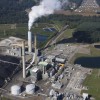 Duke Energy announced plans today to retire its polluting, uneconomical Asheville coal plant and build a natural gas-fired facility in its place. While the news should be celebrated as progress, it also represents another precarious step along a dangerous road that will prolong our region’s over-reliance on fossil fuels and saddle consumers with long-lived investments in natural gas.
WV Coal Lab Penalty Upheld
The West Virginia Environmental Quality Board upheld a decision by the state Department of Environmental Protection to revoke the certification of Appalachian Laboratories Inc., where employees routinely conspired to violate the federal Clean Water Act.
Read MoreGoing to Court for Clean Water
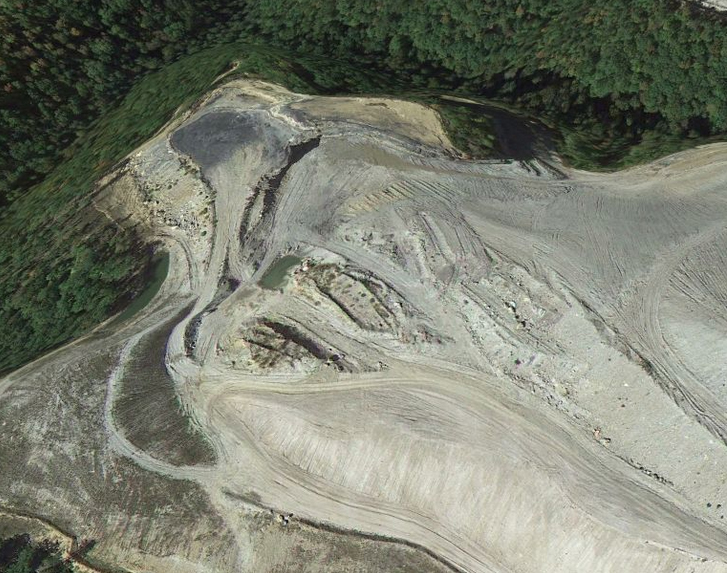
In mid-March, Appalachian Voices and our partners in Kentucky sued Frasure Creek Mining in federal court for more than 20,000 violations of the Clean Water Act, which could lead to nearly $700 million in fines.
Read MoreGoing to court for clean water
 After we revealed thousands of water pollution violations at Frasure Creek Mining’s mountaintop removal coal mines in eastern Kentucky, state regulators (finally) took administrative action. Appalachian Voices and our partners are seeking to intervene in that process to ensure environmental protections are enforced, and we have filed our own lawsuit in federal court.
Groups Sue Kentucky Mining Company
Contacts: Eric Chance, Appalachian Voices, 828-262-1500, [email protected] Ted Withrow, Kentuckians For The Commonwealth, 606-782-0998, [email protected] Pat Banks, Kentucky Riverkeeper, 859-200-7442, [email protected] Pete Harrison, Waterkeeper Alliance, 828-582-0422, [email protected] Adam Beitman, Sierra Club, 202-675-2385, [email protected] Pikeville, Ky. – A coalition of citizens groups today filed a federal lawsuit against Frasure Creek Mining, LLC, for submitting to the…
Read MorePermits and Payments: Will Duke Energy ever stop polluting?
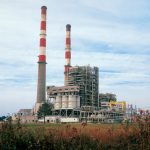 On Tuesday, DENR announced a historic $25.1 million fine for coal ash pollution at Duke Energy’s Sutton power plant. The agency also recently released updated permit drafts for coal ash ponds at other sites, proposed to “better protect water quality near coal ash ponds until closure plans are approved.” Though permitting the pollution will lead to better monitoring, it does nothing to stop or even stymie the toxic discharges.
Apologies for the Dan River spill, guilt for coal ash crimes
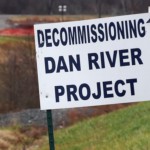 Duke Energy likes to use a tagline about how, for more than 100 years, it has provided affordable, reliable electricity to its customers “at the flip of a switch.” But a year after the Dan River spill, Duke seems to accept that coal ash pollution has its own chapter in the company’s corporate story. Now, facing federal criminal charges, Duke will pay for its crimes.
Groups Seek to Ensure Ky. Enforces Clean Water Law
Contacts: Eric Chance, Appalachian Voices, 828-262-1500, [email protected] Ted Withrow, Kentuckians For The Commonwealth, 606-782-0998 (c), [email protected] Pat Banks, Kentucky Riverkeeper, 859-200-7442, [email protected] Pete Harrison, Waterkeeper Alliance, 828-582-0422, [email protected] Adam Beitman, Sierra Club, 202-675-2385, [email protected] Frankfort – A coalition of citizens groups today filed a motion to intervene in a state enforcement action against Frasure Creek…
Read MoreDéjà vu in Kentucky clean water cases
 Friday, Appalachian Voices and our partners filed a motion to intervene in a case between the Kentucky Energy and Environment Cabinet and Frasure Creek Mining to ensure clean water laws are being enforced in Kentucky. To anyone following our lawsuits in Kentucky, these recent developments will sound familiar.
Criminal charges filed against Duke Energy
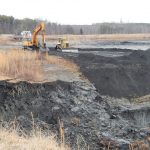 The U.S. Department of Justice has filed criminal charges against Duke Energy for violating the federal Clean Water Act at coal ash sites across North Carolina. The company announced today that it has reached a plea agreement with federal prosecutors to resolve the charges that includes $102.2 million for fines and mitigation.