
Energy Democracy for All

Energy Democracy is local people having control of how their electricity is produced and distributed to ensure everyone has access to affordable and clean power.
Two decades into the 21st century, advances in solar panels, battery storage, modernized electric grids and other technologies are revolutionizing how our electricity can be produced and distributed. But large utility companies with monopoly control over the market — such as Duke Energy and Dominion Energy — are keeping us locked into using increasingly expensive polluting fuels like coal and fracked gas to generate our electricity.
At the same time, the increasing impacts of global climate change, including dangerous heat waves and severe storms, are taking a toll on countless communities, but especially disadvantaged communities and communities of color. And monopoly utility companies charge ever higher rates while they knowingly continue to worsen the climate crisis.
But a movement toward Energy Democracy is growing across Appalachia and throughout the country. Local individuals and groups are standing up to demand a seat at the table with decision makers to ensure we transition to a system that is affordable and fair, provides community wealth and jobs, and is built on clean, renewable energy.

Why Energy Democracy?
Learn how monopoly control and a focus on profit have locked us in a pattern of polluting fossil fuels and ever higher rates
State-Specific Info
Latest News
Solidarity in the Tar Heel State
 The communities near Duke Energy’s Belews Creek power plant and coal-ash dump in North Carolina have suffered a long time from water pollution. Now the state is poised to allow the natural gas industry to drill fracking wells nearby. Citizens are saying “enough.” The NAACP announced a civil rights investigation at a recent press conference and took its protest to the state capitol at a “Moral Monday” rally. Appalachian Voices is standing in solidarity with these champions for environmental justice.
A “crass abuse of power” in the N.C. Senate

The disgust with North Carolina Sen. Bob Rucho today is broad and bipartisan. Yesterday in the Senate finance committee, which he chairs, Rucho not only limited debate on provisions of HB332, which would freeze the state’s highly successful Renewable Portfolio Standard, he refused to allow an individual tally of votes and declared a failed bill passed.
Duke Energy to close aging Asheville coal plant
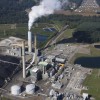 Duke Energy announced plans today to retire its polluting, uneconomical Asheville coal plant and build a natural gas-fired facility in its place. While the news should be celebrated as progress, it also represents another precarious step along a dangerous road that will prolong our region’s over-reliance on fossil fuels and saddle consumers with long-lived investments in natural gas.
Who’s casting shadows over N.C. solar?
 When it comes to jobs, pollution, and sustainability, energy from the sun beats energy from fracked gas hands down. So why are N.C. legislators and Duke Energy casting shadows over the state’s potential to become #1 in solar?
Don’t drink the water
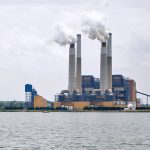
As part of coal ash law enacted in North Carolina last year, Duke Energy is required to test the well water of residents living within 1000 feet of the massive coal ash ponds that dot the state. Now, the first round of water testing results are coming back, giving residents and regulators a clear picture of just how widespread the problem is.
Mountain protectors try again in N.C.
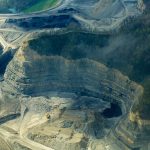 North Carolina Rep. Pricey Harrison introduced a bill today to phase out North Carolina’s use of mountaintop removal coal. The bill mirrors one that has been in the legislature before and that received bipartisan backing, with 75 legislators signing a letter of support. Rep. Harrison’s bill also aims to help ratepayers during the economic recovery by placing a moratorium on new coal-fired power plants in the state.