
Holding the Coal Industry Accountable

An abandoned and decaying structure at the Sugar Cove Mine in Virginia. Photo courtesy of DMME
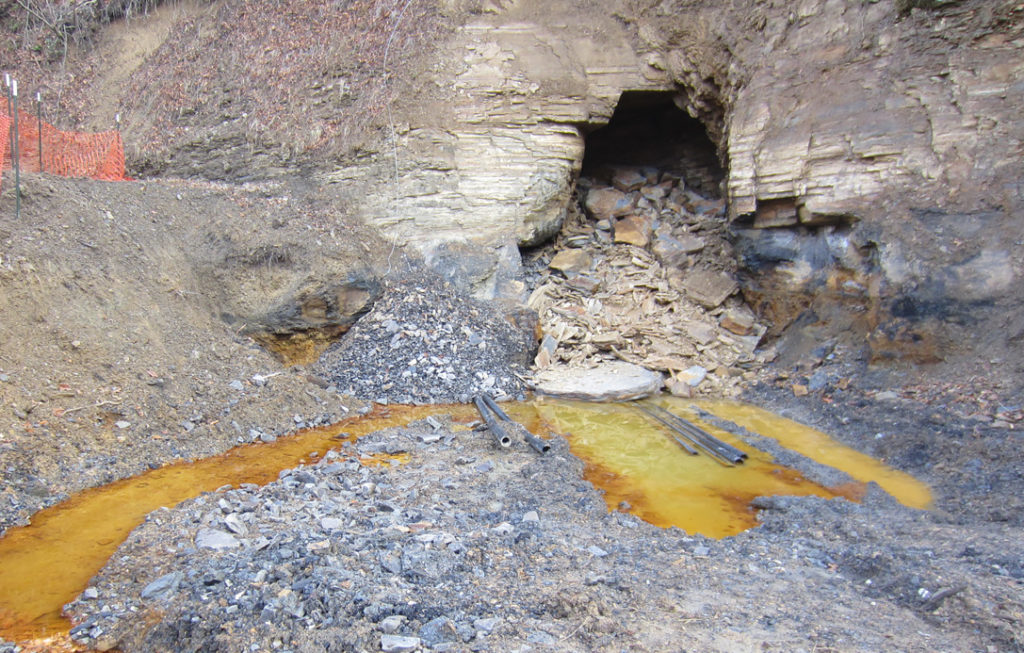
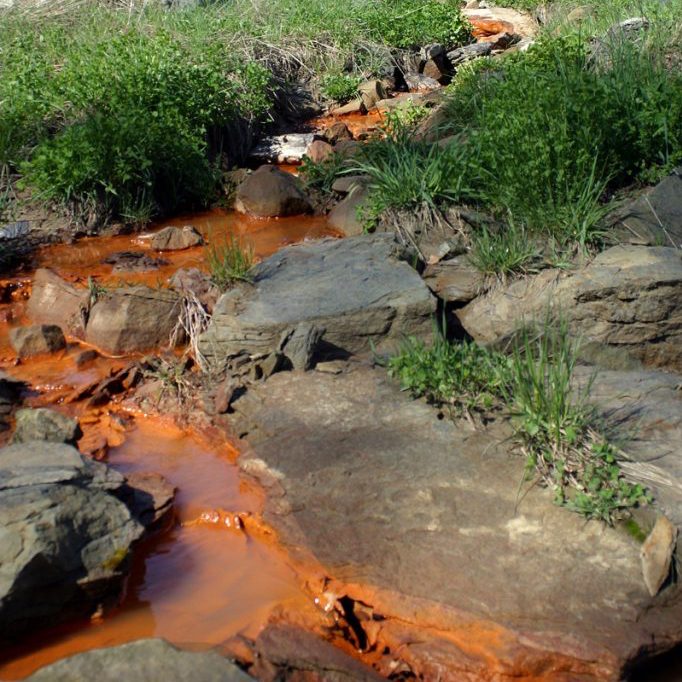
Centuries of coal mining in Appalachia have left a wake of destruction behind. Thousands of former mine sites still pose health and safety risks, and the extensive environmental damage includes polluted waterways, compromised groundwater, and the loss of 1.5 million acres of forest in one the most biologically diverse temperate ecosystems on the planet.
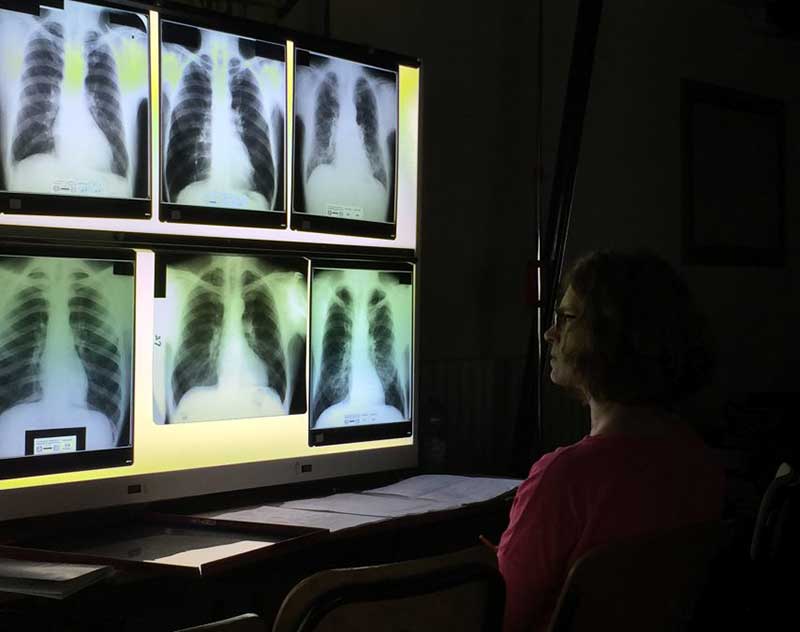
Residents in this region have dealt with increased illness and shortened life expectancy. Black lung disease is again on the rise, and both current and former miners are fighting to protect their vital healthcare benefits. Communities that depended on the coal industry’s boom years now face daunting financial challenges.
Meanwhile, the bosses and bankers who got rich off of Appalachia realize that the market for coal is continuing to decline. Many are trying to jump ship, taking their wealth with them and leaving the problems for local communities and taxpayers to deal with.

As Appalachian Voices continues to fight new mountaintop removal coal mining permits and monitor existing mines, we are also committed to ensuring that the communities that have long borne the brunt of mining are not left behind. We are determined to hold the coal profiteers responsible for cleaning up the land and water they defiled and fulfilling their obligations to miners and their families.
Communities near mines and power plants are among those that often face elevated air pollution. We’re working with 16 community groups and two universities to track air quality in communities throughout Kentucky, Pennsylvania, Tennessee, Virginia and West Virginia with about 80 monitoring devices. These are deployed at in communities near fossil fuel infrastructure and other industries.
Similarly, the communities living near coal-fired power plants have suffered the burden of air and water pollution created by burning coal for electricity. Our years-long campaign alongside North Carolina communities impacted by Duke Energy’s dangerous storage of coal ash resulted in statewide cleanup orders, and we are committed to making sure the massive utility follows these rules.
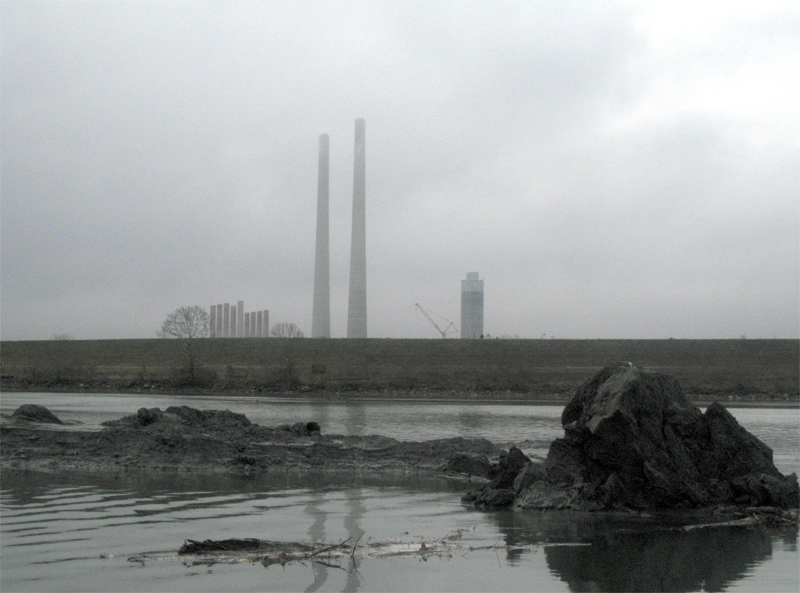
We’re also working with communities in East Tennessee, site of the first major coal ash disaster in the country, to ensure that coal ash is stored in ways that protect residents, workers and waterways. And we’re engaged in legal challenges against Trump-era rollbacks on federal regulations for coal ash handling.

Ending Mountaintop Removal
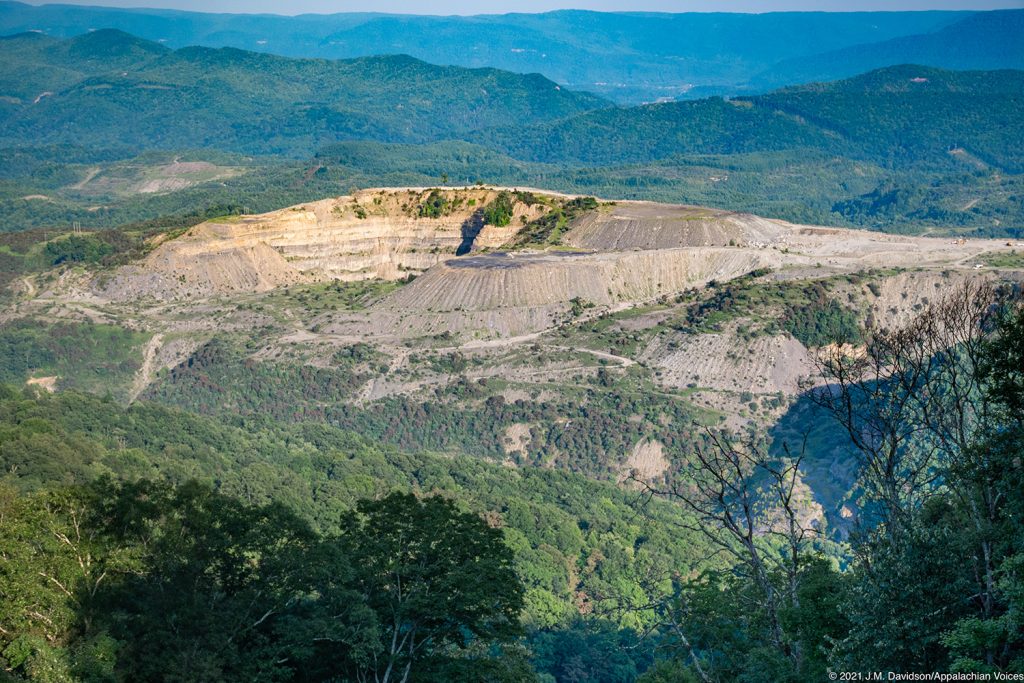
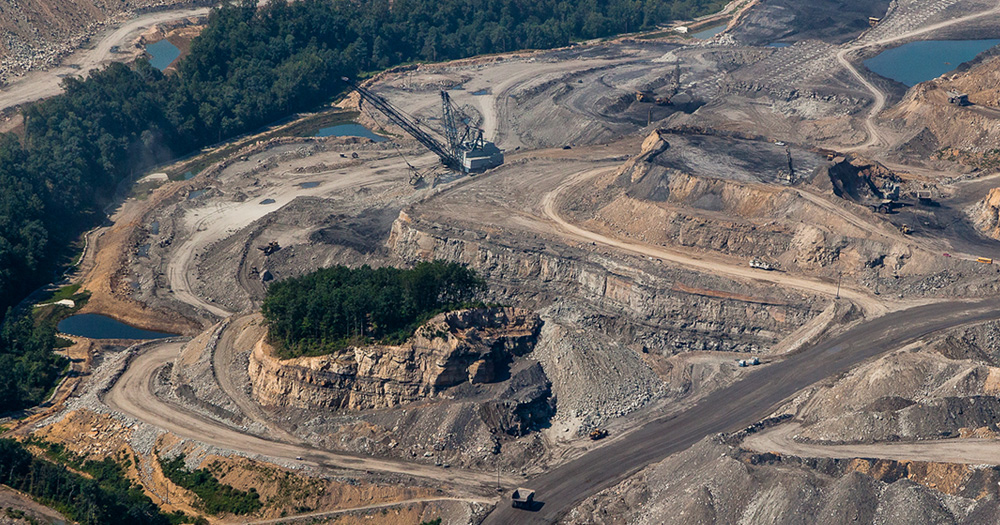
Since the 1970s, the coal industry has blown up more than 500 of the oldest, most biologically rich mountains in America and destroyed more than 2,000 miles of headwater streams. Despite an ongoing citizen movement to end the destruction, and despite the decline in coal, it’s still happening.

Latest News
Trump administration to reconsider black lung protection rule, costing more miners’ lives
The rule should have gone into effect to start protecting workers last April, but in a filing Wednesday, the administration said it is starting a new, “limited” rulemaking.
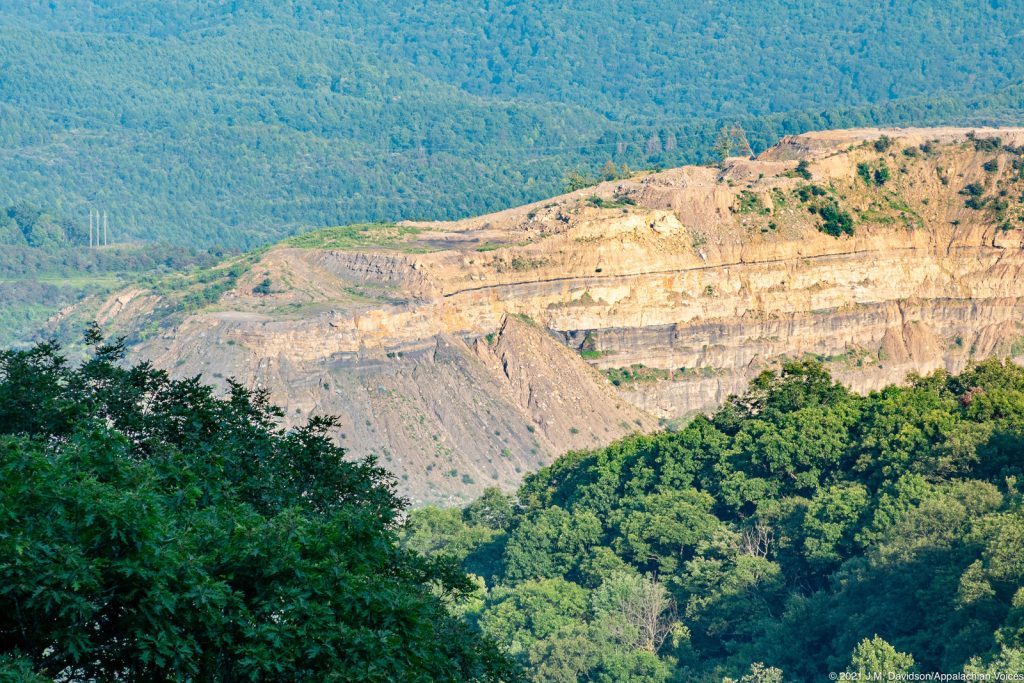
Coal company owned by Sen. Jim Justice’s family faces court hearing over continued failure to clean up mines
In a federal court hearing regarding a motion to hold A&G Coal Company in contempt for violating a January 2023 consent decree, attorneys for the company argued that it doesn’t have enough money to meet the terms of the decree, including funding mine cleanup at three delinquent mines. But attorneys representing the conservation groups that brought the original lawsuit presented evidence that executives for companies owned by the family of West Virginia Sen. Jim Justice — including A&G — routinely move money between the companies as they feel is warranted.

Fighting for breath: Miners and advocates take their plea for stronger black lung protections from the coalfields to the Capitol
Coal miners and advocates rally for long-promised silica protections to stop the rise of black lung across Appalachia.

Coal miners, advocates rally in Washington, D.C. to protest attacks on black lung and miner protections
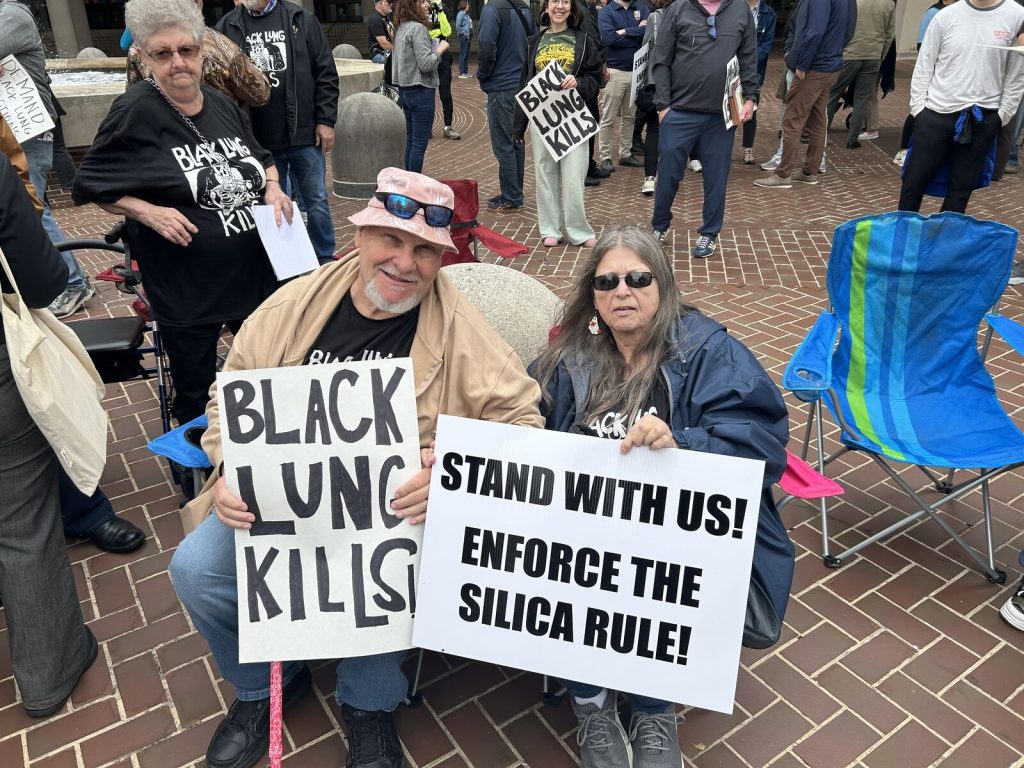
Today, more than 80 coal miners, members of Black Lung Associations, and other supporters rallied outside of the Department of Labor building in Washington, D.C., to protest the delay in implementing long-awaited silica dust protections for coal miners, along with funding and staffing cuts to mine safety and research.

A black water spill, precarious permits, a contempt hearing and a new Justice company enters the scene
West Virginia Sen. Jim Justice is the richest senator in the country, according to recent reporting that also highlights his substantial debts. In light of this news, we thought it appropriate to provide an update on our team’s continued work to deal with the ongoing impacts of his family’s coal empire, and their decades-long track record of environmental destruction.

Miners and supporters will rally to demand safeguards from black lung disease on Oct. 14
On Oct. 14, coal miners, members of the Black Lung Association and their supporters will rally in front of the Department of Labor’s headquarters in Washington, D.C., in opposition to the department’s delayed enforcement of silica dust protections for miners.