
The Appalachian Voice
Transition Initiatives Provide Solutions
Building Resilience at the Community Level Story by Jillian Randel Imagine a community where people can respond to economic downturns and fluctuations and availability of food with confidence. This community would be independent and self-sufficient. Members would cultivate, sell and store all their food needs, leaving little to be bartered with the outside world. Imagine…
Read MoreBartering for the Economy
By Jillian Randel Consider the effects that a warming earth will have on the global economy. Ecological and environmental systems provide enormous benefits to the goods and services sector, reminding leaders that we live in a multi-layered, interconnected world. The Appalachian region presents a diverse array of economies susceptible to the impacts of climate change.…
Read MoreAgriculture: An Atmosphere of Uncertainty
By Jillian Randel Among growing concerns about the warming of the earth and the buildup of greenhouse gases is the impact that climate change has on our food supply. Irregular precipitation patterns, rising temperatures and higher levels of carbon dioxide could govern how and what food is grown and sold in Appalachia and worldwide in…
Read MoreEcology vs. The Changing Climate
A Game of Knowns, Unknowns, and Unknown Unknowns By Sarah Vig When it comes to climate change, “we have the knowns, the unknowns, and the unknown unknowns,” said Steve McNulty, an ecologist with the U.S. Forest Service. According to McNulty, the “knowns” are scenarios scientists can expect to develop with climate change and managers have…
Read MoreAppalachia and Our Changing Planet
By Bill Kovarik Appalachia has always been a refuge for biodiversity. During the last ice age 20,000 years ago, the Appalachian mountains were a Noah’s Ark for thousands of species until the glaciers receded. In the 19th and 20th centuries, many of our own species trooped off to spend their summers in the mountains, flocking…
Read More
Top 10 Arguments Used By Climate Skeptics
(And Why They’re Wrong)
By Dr. Matthew Wasson, Ph.D. The debate is over — at least in the scientific community. Over ninety-four percent of experts in the field agree that the climate is warming due to human activity. In 1998, nearly 75% of Americans believed that “solid evidence” of climate change existed. Due to a well-funded campaign by the…
Read MoreThe Coal Report
Coal Industry Backlash Against Clean Water Act Continues By Sandra Diaz Much to the ire of the coal industry, the Environmental Protection Agency has taken unprecedented steps to mitigate coal-related pollution on Appalachian waterways over the past two years. The coal industry is fighting back, and leveraging the new, anti-regulatory political climate in order to…
Read MoreAcme McCrary: Shaping legs and sustainability in the textile industry
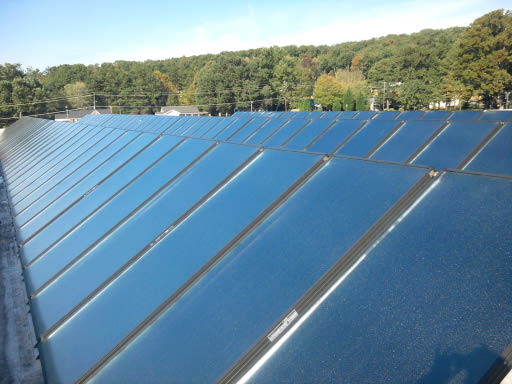
“A successful merchandise lineup hangs on the right products…and the right partner. Coincidentally, we offer both.” – Acme McCrary —Story by Kyle Wolff Textile plant Acme McCrary is out to prove that big industries can make a big impact. The company’s Pritchard Street facility in Asheboro, N.C., is home to one of the country’s largest…
Read MoreExplore the highlands of Kentucky
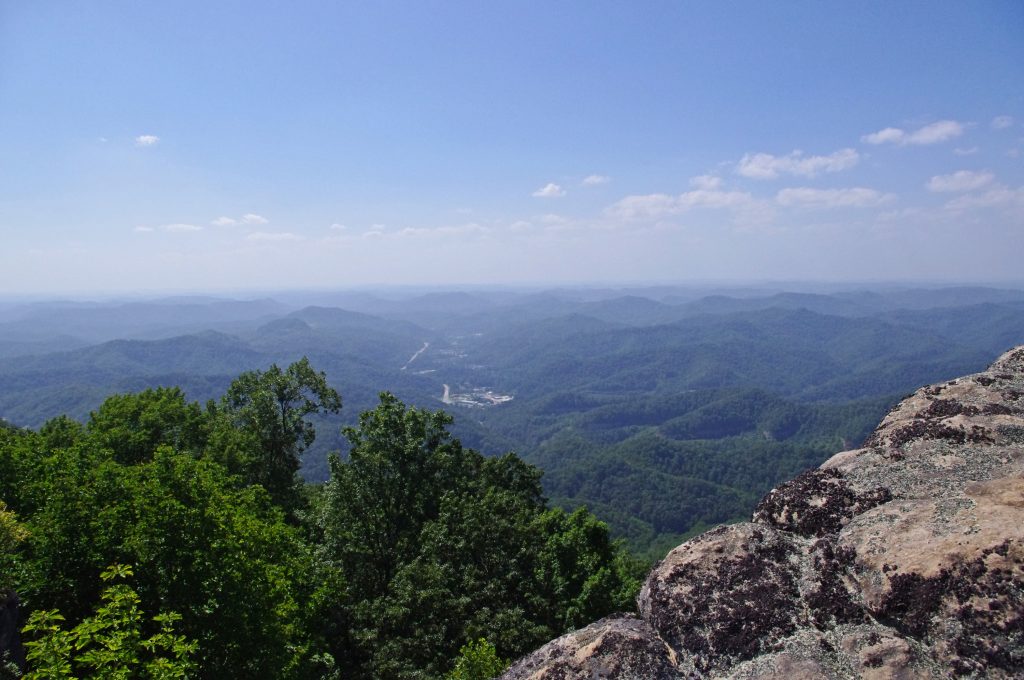
Kentucky’s Pine Mountain Trail By Sam Adams The first impression when entering the southern end of the Highland Section of the Pine Mountain Trail is that it is going to be an easy walk. The trail enters the forest where U.S. 119 crests Kentucky’s second-highest mountain near Whitesburg, and abruptly starts downhill. The word “trail”…
Read MoreEnvironmental Summer Camps

Summer is just around the corner and that means it’s time for summer camps! Environmental programs can help your child become a stronger individual, make lifelong friends and foster independence while learning about the outdoors. We compiled this list of environmental summer camps to help you get your kids outside and learning. —By Kaley Bellanti…
Read More