

Acme McCrary: Shaping legs and sustainability in the textile industry
“A successful merchandise lineup hangs on the right products…and the right partner. Coincidentally, we offer both.” – Acme McCrary —Story by Kyle Wolff
Textile plant Acme McCrary is out to prove that big industries can make a big impact. The company’s Pritchard Street facility in Asheboro, N.C., is home to one of the country’s largest solar thermal systems in the country. At the end of 2010, the plant transferred from the age-old steam boiler to solar thermal energy to heat the water they use to produce the 110,000 dozen pairs of hosiery per week.
Traditionally, the textile industry relies heavily on fossil fuels for energy. Industry giant, Acme McCrary, who employs 600, is setting new standards for manufacturing plants nationwide.
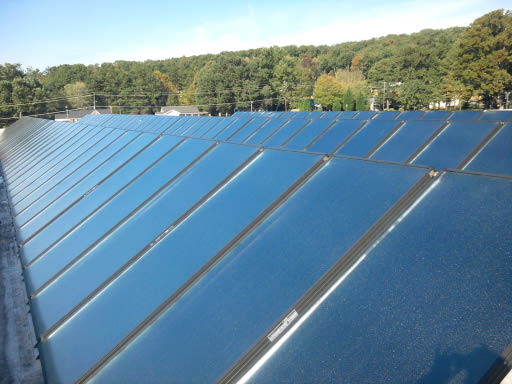
Rooftop solar panels adorn the top of Acme McCrary. The panels are projected to reduce the building's carbon emissions by 249,000 pounds each year.
“We are pleased to be a leader in sustainability and to be a responsible corporate citizen for our community, our employees and our customers,” said Bill Redding, CEO of the corporation. Redding credits his employees on the company’s Green Committee as a major initiator of the project.
“There was a need from the customers and the company to make the corporation more sustainable,” explains Bruce Williams, an Acme McCrary employee and member of the Green Committee. “The idea of solar power came up, and we went with it.”
The Green Committee started researching the prospect of solar energy and found that solar thermal would be the most efficient resource.
Acme McCrary credits one of its major customers, Walmart, as an inspiration, due to environmental standards that Walmart has imposed on its vendors. “Walmart’s sustainability requirements drove us to form our own,” Williams stated. Acme McCrary joined Walmart’s Sustainable Council in 2010.
Acme McCrary found FLS Energy, based in Asheville, N.C. The company specializes in solar energy systems that provide hot water and electricity to their clients. FLS Energy designed and installed the solar thermal system at no cost. In turn, the company is selling the thermal energy back to Acme McCrary at a lower price than the cost of traditional fossil fuel energy.
The system includes 200 solar panels, manufactured by Alternate Energy Technologies based in Jacksonville, Fla. The panels capture heat from sunlight to generate 10,000 gallons of hot water a day at 180° F. Annually, the implementation of solar thermal ultimately will reduce the corporation’s carbon emissions by 249,000 pounds and cut energy costs by more than $20,000.
The project was partly supported by a grant under the American Recovery and Reinvestment Act.
On January 18th, Acme McCrary held a press conference introducing the solar thermal system to the public. North Carolina State Senator Kay Hagan was present for the ceremony and praised Acme McCrary’s leadership and initiative. “The installation of these next-generation solar panels represents a partnership between our state’s textile sector and emerging clean energy sector,” Hagan stated.
The partnership between Acme McCrary and FLS Energy provides an essential link for the future of the textile industry; proving big corporations can make a positive impact on the environment.
Visit: acme-mccrary.com and flsenergy.com.
Related Articles
Latest News
More Stories

Signs of Life
In the Nantahala National Forest, a team of biologists spotted Indiana bats, an endangered species that hasn’t been seen in North Carolina for the last 11 years.

‘First Line of Defense’
During Hurricane Helene and its aftermath, rural fire departments and other first responder hubs played critical roles in keeping their communities safe, even without power and cut off from outside support for days or weeks after the storm. Two years later, plenty of work remains to ensure these hubs have the resources they need to operate day to day and be ready when emergencies or natural disasters strike.

The Rocky Road — and Bridge — to Recovery
Hurricane Helene is estimated to have damaged nearly 7,000 private roads and bridges in Western North Carolina. Two years later, many restoration projects are complete, but the journey hasn’t been easy — and isn’t over for others.
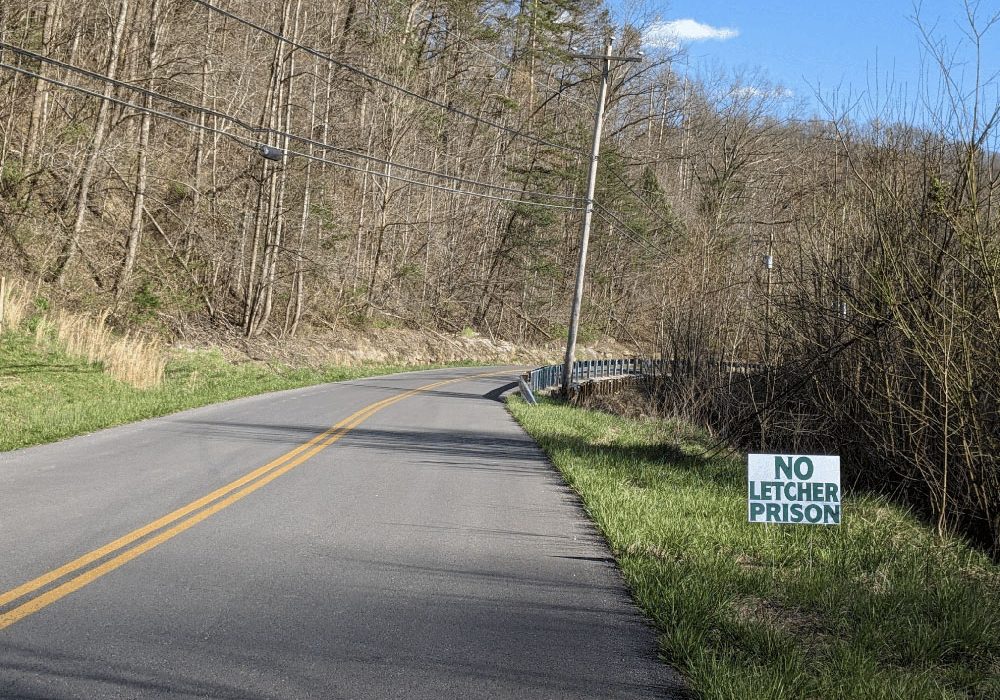
After 20 Years, Letcher County Prison Proposal Is Still Alive, Though Obstacles Remain
A $605 million proposal for a federal prison on a former strip mine site in Letcher County, Kentucky, championed by U.S. Rep. Hal Rogers, refuses to die, despite local opposition, a lack of support from the executive branch and numerous other obstacles.
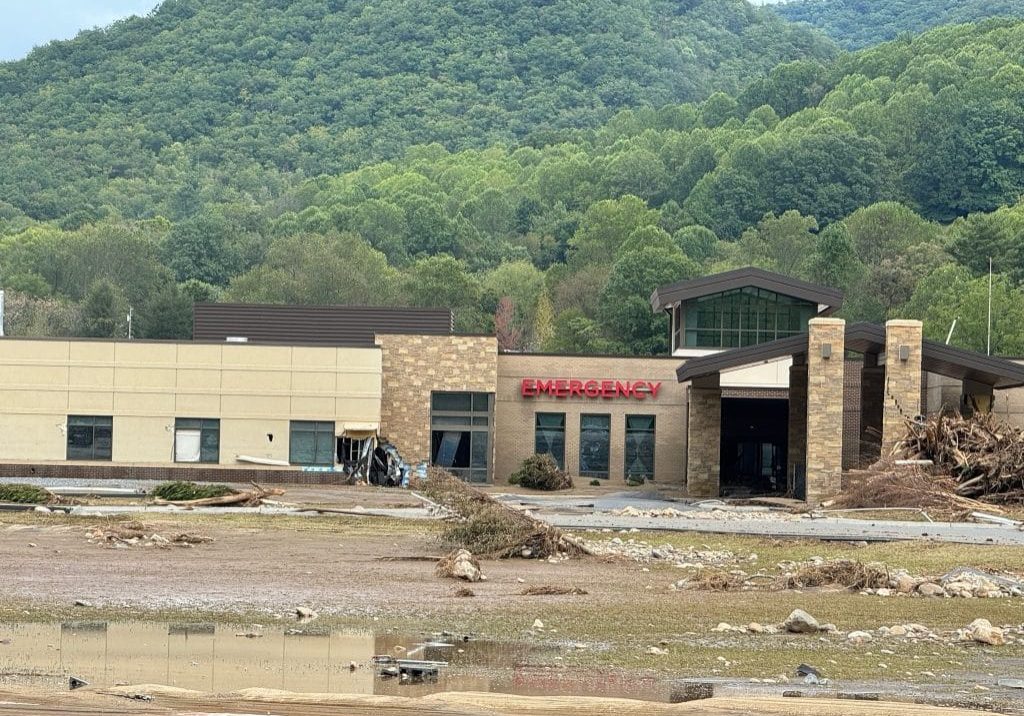
The Washout and Rebuild
For nearly two years, residents of Unicoi County, Tennessee, have had to make do without a hospital after Hurricane Helene destroyed the rural hospital. Ballad Health, which owns the hospital, broke ground on a new location — in another floodplain — in August 2026.

The Shenandoah Salamander
The Shenandoah salamander is a woodland salamander, which has adapted to life at higher elevations away from water. This sparkling rarity lives among the dry leaves, cracked logs, and stony hillocks on the highest peaks of Shenandoah National Park.

Leave a comment
Your email address will not be published. Required fields are marked *
Leave a Comment