
The Appalachian Voice
EPA Issues First-Ever National Mercury and Air Toxic Standards
In December 2011, the U.S. Environmental Protection Agency issued the Mercury and Air Toxic Standards, the first-ever national standards to protect families from mercury and toxic air pollutants emitted by power plants. Pollutants from coal-fired power plants include arsenic, acid gas, nickel, selenium and cyanide. The standards will cut these emissions with proven pollution controls…
Read MoreFriends of Smokies Receives $10,000 from REI for Trails Forever Program
The Friends of the Great Smoky Mountains National Park have received a grant for $10,000 from the national outdoor retailer REI. The grant will benefit the Trails Forever program, which supports trail improvements throughout the park. Funds will help finance a new equipment trailer to transport tools and supplies needed for trail improvement projects. The…
Read MoreWright Bros, Georgia DOT Fined $1.5 Million for Clean Water Violations
The U.S. Environmental Protection Agency and the U.S. Department of Justice will require Wright Brothers Construction Co. and the Georgia Department of Transportation to pay $1.5 million in fines for violations of the Clean Water Act between 2004 and 2007. One of the largest fines ever assesed under the CWA, the complaint states that Wright…
Read MoreSpruce Pine Residents Reject Proposed Re-Zoning
A group of concerned residents in Spruce Pine, N.C. attended a town hall meeting on Feb. 13 to express discontent with a proposed re-zoning of land that would allow the disposal of bulk feldspar and processed mineral waste in their community. In December 2011, Quartz Co., with Feldspar Corporation, purchased more than 100 acres of…
Read MoreSELC Releases Top Ten Endangered Places List, Shows Threats in Southeast
The Southern Environmental Law Center recently released its fourth-annual Top 10 Endangered Places list for 2012, highlighting the ecologically and culturally rich areas throughout the Southeast that are threatened by development, water issues and the environmental impacts of mountaintop removal and hydraulic fracturing. Southeastern states bordering Appalachia, North Carolina, Virginia and Tennessee, are each featured…
Read MoreSeeds of Change Initiative to Improve Access to Local Food
The Boone, N.C.-based non-profit group Blue Ridge Women in Agriculture received a $1.1 million grant from Heifer USA to strengthen the local food system in what is known as the High Country region of North Carolina. The Seeds of Change Initiative is a multi-year program that will build upon the emerging local food movement to…
Read MoreBy The Numbers
78%: Voters nationwide who support the U.S. Environmental Protection Agency’s work to hold polluters accountable. 170: Votes against environmental protection in the House of Representatives since the beginning of 2011 1,048.3 million: Number of short tons of coal the U.S. consumed in 2010, the second-lowest consumption rate in a decade. 1995: The last time coal…
Read MoreAnother Nordic Revolution

By Kristian Jackson It’s 5 a.m. and outside the truck, headlights reveal driving snow squalls and drifts as high as the pickup’s hood. Our crawl up Roaring Creek Road near the Toe River of North Carolina comes to a sudden halt in a wall of whiteness. We abandon our attempt to dig out the beast…
Read MoreGolden Eagles Winter in Appalachia

By Molly Moore With their deep brown bodies and gold-tinged feathery manes, golden eagles are icons of ferocity. When Americans imagine a golden eagle diving through the air with talons outstretched, they typically pair the image with a Western backdrop. But as Appalachian researchers are quick to point out, the notion of golden eagles as…
Read MoreOld Folktales Die Hard
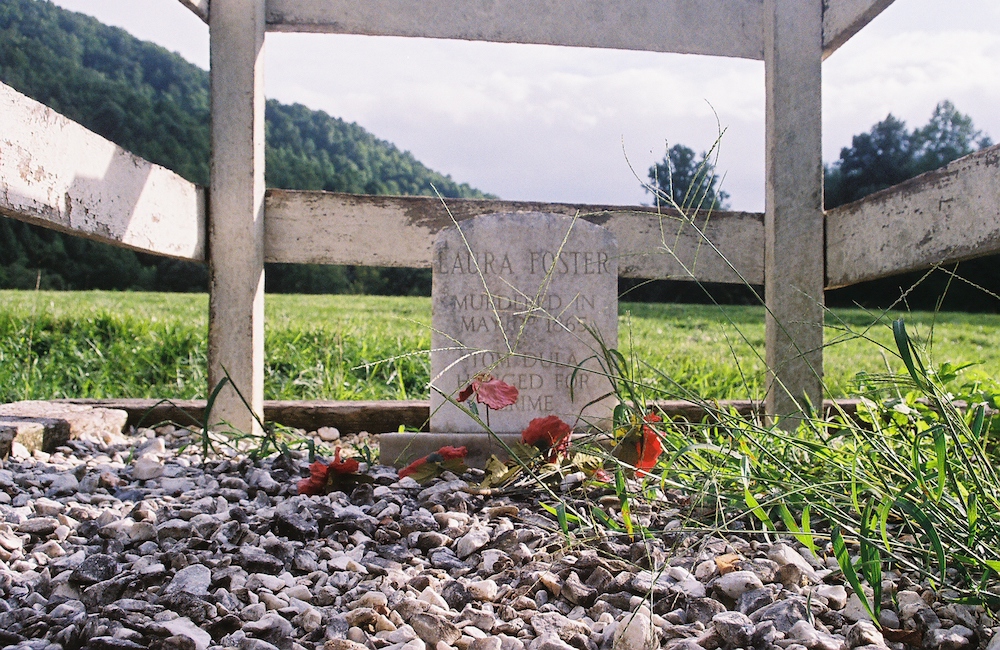
By Brian Sewell “Murdered in May of 1865,” a white gravestone on the banks of the Yadkin River in Wilkes County, N.C., reads. “Tom Dula hanged for crime.” The grave belongs to Laura Foster, the victim in one of the most popularized and retold murder cases in Appalachian folk history. Like a game of cultural…
Read More