

The Boone, N.C.-based non-profit group Blue Ridge Women in Agriculture received a $1.1 million grant from Heifer USA to strengthen the local food system in what is known as the High Country region of North Carolina. The Seeds of Change Initiative is a multi-year program that will build upon the emerging local food movement to foster economic development and improve access to nutritious, locally produced food among under-served populations.
According to the Center for Environmental Farming Systems, North Carolinians spend $35 billion on food every year. If 10 percent of that money was spent locally, the state would gain $3.5 billion in sales. The grant will support efforts to strengthen the economies of communities across the North Carolina High Country who are choosing to reinvest in local farmers and food producers.
The first phase of the initiative, including organization, assessment and planning, was awarded to the Appalachian District Health Department and Blue Ridge Women in Agriculture with technical assistance from the Center for Participatory Change. Phase two includes four years of funding for implementation of projects that support the goals of the Initiative.
The High Country region, includes Alleghany Ashe, Watauga and Wilkes counties in North Carolina, and Johnson County, Tenn.
Wind for Schools Program to Install Turbine at Watauga High School
Watauga High School in Boone, N.C., is making a new addition to their campus, a 2.4 kilowatt Skystream 3.7 wind turbine as part of the Wind for Schools program. A ribbon cutting is set for Dec. 14. Watauga High School is one of seven schools in the state that will receive a free turbine through the nationwide program that moved to North Carolina last year. Sundance Power Systems of Asheville, N.C., will set up the seven turbines.
Local Politicians, Community Members Cheer 1.2-megawatt Solar Farm in Mount Airy, N.C.
More than 140 people attended the opening celebration of the Mayberry Solar Farm in Mount Airy, N.C. The Mayberry Solar Farm, built on six acres owned by the town and leased to O2 Energies will feed the Duke Energy grid, helping to meet the requirements for the North Carolina Renewable Energy Portfolio Standard. Joel Olsen, the founder and director of O2 Energies, says the six-acre solar farm created 100 local jobs, involved 30 contractors, and will generate power for hundreds of homes and small businesses.
University of Kentucky Students Say ‘Shut Down Coal Boilers’
Students and environmentalists at the University of Kentucky in Lexington are joining with the Sierra Club’s Beyond Coal campaign. With the goal of shutting down nearby coal-fired power plants and replacing it with renewable energy, the group is presenting to the university’s Board of Trustees’ finance committee and campus chiefs. Because of the university’s connections with the coal industry, the group acknowledges renewable energy could be a hard sell. A feasibility study could determine the possibilities of using geothermal, solar and other forms of renewable energy in the future.
Related Articles
Latest News
More Stories

Halloween Approaches, and Night School Is in Session
The House of Art in Bluefield, West Virginia, looks like a haunted tower, making it the perfect location for its sixth annual haunt event: Night School. The Night School will be open every Friday and Saturday night through Oct. 31.
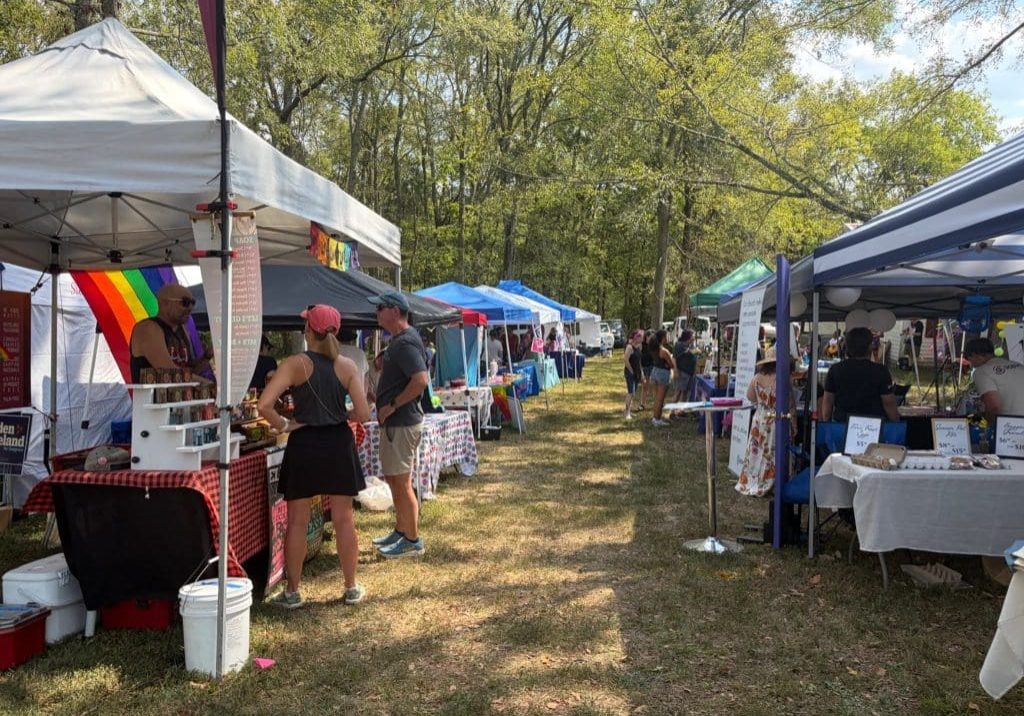
‘The Most Perfect Act of Love’
After losing its rural pride celebration, hundreds of people attended the second annual Affirming Sumner Pride celebration on a 24-acre farm dubbed “Fruity Farm” in Bethpage, Sumner County, Tennessee.

Signs of Life
In the Nantahala National Forest, a team of biologists spotted Indiana bats, an endangered species that hasn’t been seen in North Carolina for the last 11 years.
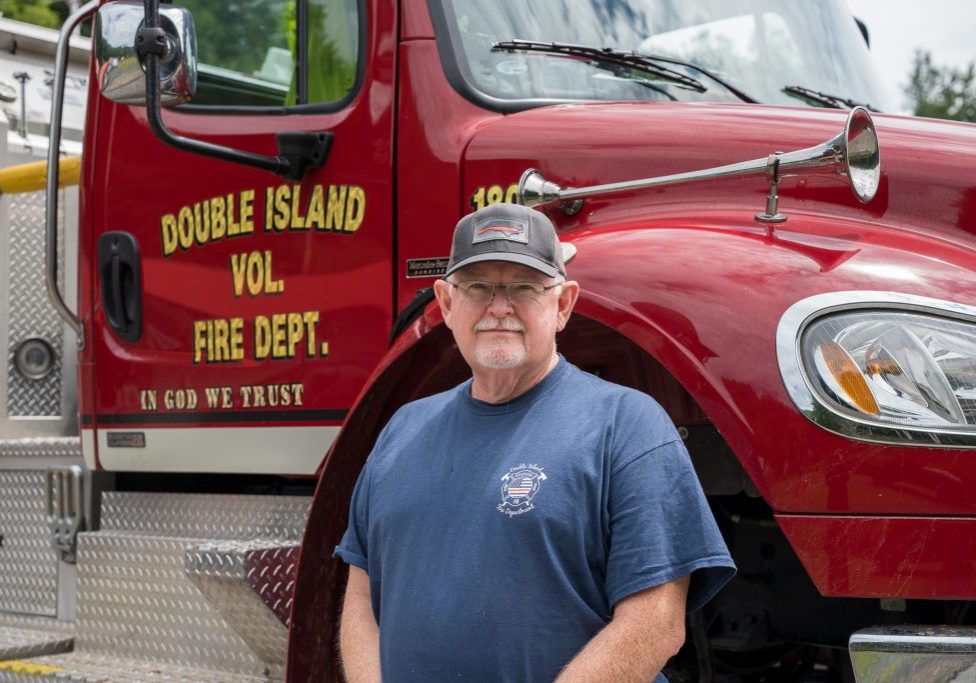
‘First Line of Defense’
During Hurricane Helene and its aftermath, rural fire departments and other first responder hubs played critical roles in keeping their communities safe, even without power and cut off from outside support for days or weeks after the storm. Two years later, plenty of work remains to ensure these hubs have the resources they need to operate day to day and be ready when emergencies or natural disasters strike.
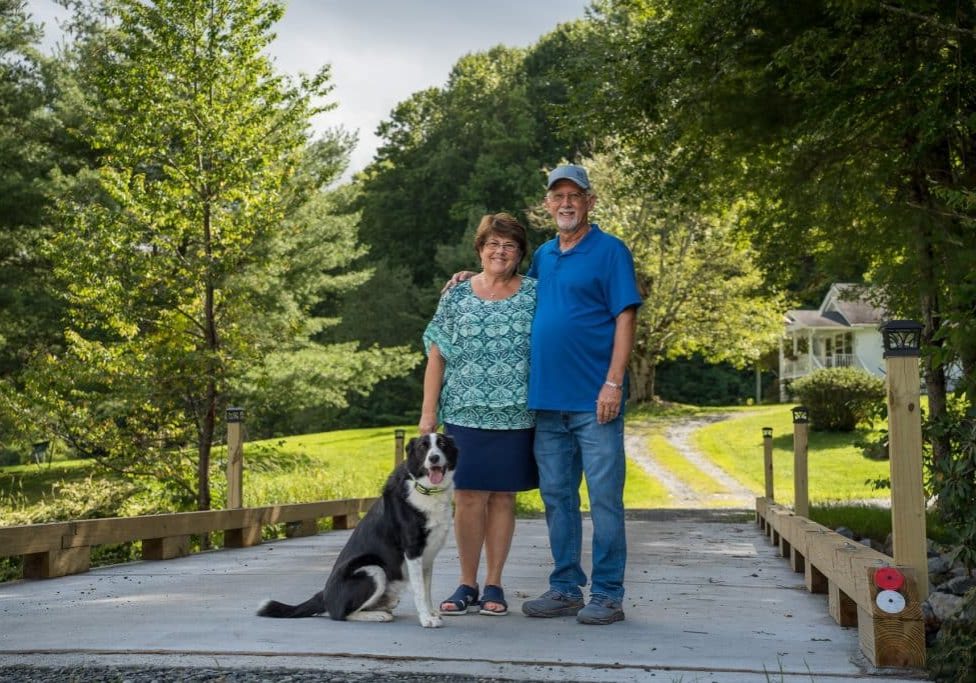
The Rocky Road — and Bridge — to Recovery
Hurricane Helene is estimated to have damaged nearly 7,000 private roads and bridges in Western North Carolina. Two years later, many restoration projects are complete, but the journey hasn’t been easy — and isn’t over for others.
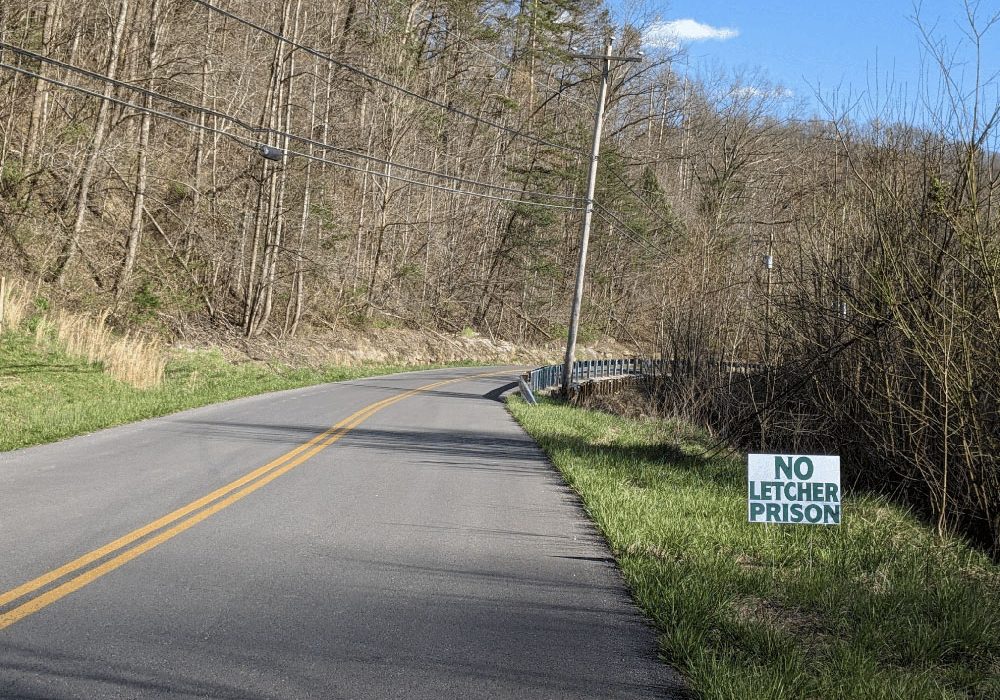
After 20 Years, Letcher County Prison Proposal Is Still Alive, Though Obstacles Remain
A $605 million proposal for a federal prison on a former strip mine site in Letcher County, Kentucky, championed by U.S. Rep. Hal Rogers, refuses to die, despite local opposition, a lack of support from the executive branch and numerous other obstacles.

Leave a comment
Your email address will not be published. Required fields are marked *
Leave a Comment