
The Appalachian Voice
Vested Power: State-Level Legislative Agendas in 2013
By Brian Sewell, J.W. Randolph and Nathan Jenkins At the state level, the public often has greater access and input on decisions and the processes of their governments. But so do special interests — especially campaign funders and industries that play a significant role in state and large-scale economies. State governments in Appalachia create their…
Read MoreThe Conception of Wild Ideas: Scientists Confront Conservation Challenges of Our Times
This essay by Travis Belote, Greg Aplet, and Pete McKinley ran abridged in the print version of The Appalachian Voice. 1934 was a big year for conservation in the southern Appalachians. The Great Smoky Mountains National Park was established in June, and in October, on a roadside somewhere outside of Knoxville, The Wilderness Society was…
Read MoreMembership Spotlight: Michael Elchinger
Regional Representation
Marking the beginning of the most diverse Congress in the nation’s history, the 113th meeting of the U.S. House of Representatives began on January 3. Nationwide, the Democratic party gained nine seats in the House as a result of the November election, but it remains narrowly under Republican control. We looked at 16 central…
Read MoreVirginia’s Appalachian Representatives
Robert Hurt (VA-5) A second-term representative whose district stretches from Charlottesville to the North Carolina border, Hurt has consistently voted to stop the U.S. Environmental Protection Agency from limiting pollution from coal-fired power plants, including carbon and mercury pollution. He is also a supporter of offshore oil drilling along the coast of Virginia. District Specs:…
Read MoreWest Virginia’s Representatives
David McKinley (WV-1) Before serving in Congress, this northwestern West Virginia representative owned a construction and engineering company. As a freshman, McKinley drafted legislation that would prevent the U.S. Environmental Protection Agency from finalizing rules to regulate the disposal of coal ash waste. He is currently gathering support for a Congressional Resolution opposing a federal…
Read MoreIn Memoriam
Since Europeans arrived, excessive hunting and deforestation has led to the demise of a number of Appalachian creatures. Carolina Parakeet The only parrot native to the United States favored old forests along rivers. Farmers saw it as a despised agricultural pest and ladies prized its feathers for their hats — it was extinct by the…
Read MoreThe Heated Issue of Prescribed Burns
By Molly Moore Steep rock cliffs, a raging river, weathered heath balds and several types of forest make the Linville Gorge Wilderness Area in Western North Carolina a popular recreation destination. A few rare species native to the gorge are at the center of a controversial U.S. Forest Service proposal to conduct controlled burns, in…
Read MoreSpelunking the Highlands | Owning the Caves
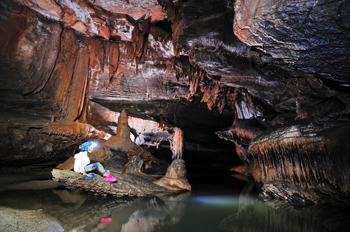
Worley’s Cave: Worthy of Respect and Care By Matt Grimley With my headlight loosely strapped and my boots tightly tied, I walked into the mouth of Worley’s Cave and I realized something: 28 boy scouts. That’s how many boy scouts you shouldn’t have on a caving trip. Still, I enjoyed this pubescent expedition with River…
Read MoreThe Custodian’s Conundrum
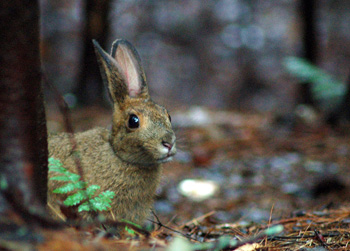
By Molly Moore A swarthy tree trunk stands in a small clearing, a gap in the forest canopy created by its once-thick crown of leaves. Shrubs and saplings clamor for sunlight around the tree’s base, and carpenter ants colonize the wood’s damp interior, pushing it closer to decay. Sensing this activity, a pileated woodpecker, with…
Read More