

At Long Last, A Safer School for Marsh Fork | Inside the Kudzu Bug
On Jan. 7, more than 200 students of Marsh Fork Elementary began classes at a new facility a few miles from the old school in Raleigh County, W.Va. Because of health concerns brought on by a coal processing plant and a high-hazard coal slurry impoundment located adjacent to and above the original building, Marsh Fork was the center of a controversy that led to protests, arrests and nationwide publicity. Equipped with smart board presentation stations and computer labs with the fastest internet connection in the area, local officials say the new Marsh Fork Elementary is one of the state’s most advanced schools.
Inside the Kudzu Bug
Researchers are looking closely at the invasive kudzu bug, hoping that biological clues will give them an edge in their fight against this troublesome insect. Like the aggressive vine it dines on, the kudzu bug is spreading rapidly. According to The Macon Telegraph, it arrived in Atlanta, Ga., in 2009 and is now found in eight states. Tracie Jenkins, an assistant professor at University of Georgia, discovered the bug’s Japanese origins through DNA research. She also found that the kudzu bug relies on three specific bacteria to maintain basic functions. By studying the bacteria, Jenkins and her colleagues hope to find a way to exploit the bug’s weaknesses. Having the insect devour large patches of the invasive kudzu may be good news for native species, but the kudzu bug also inflicts similar damage on soybeans and other native and garden plants.
Related Articles
Latest News
More Stories

Signs of Life
In the Nantahala National Forest, a team of biologists spotted Indiana bats, an endangered species that hasn’t been seen in North Carolina for the last 11 years.

‘First Line of Defense’
During Hurricane Helene and its aftermath, rural fire departments and other first responder hubs played critical roles in keeping their communities safe, even without power and cut off from outside support for days or weeks after the storm. Two years later, plenty of work remains to ensure these hubs have the resources they need to operate day to day and be ready when emergencies or natural disasters strike.

The Rocky Road — and Bridge — to Recovery
Hurricane Helene is estimated to have damaged nearly 7,000 private roads and bridges in Western North Carolina. Two years later, many restoration projects are complete, but the journey hasn’t been easy — and isn’t over for others.
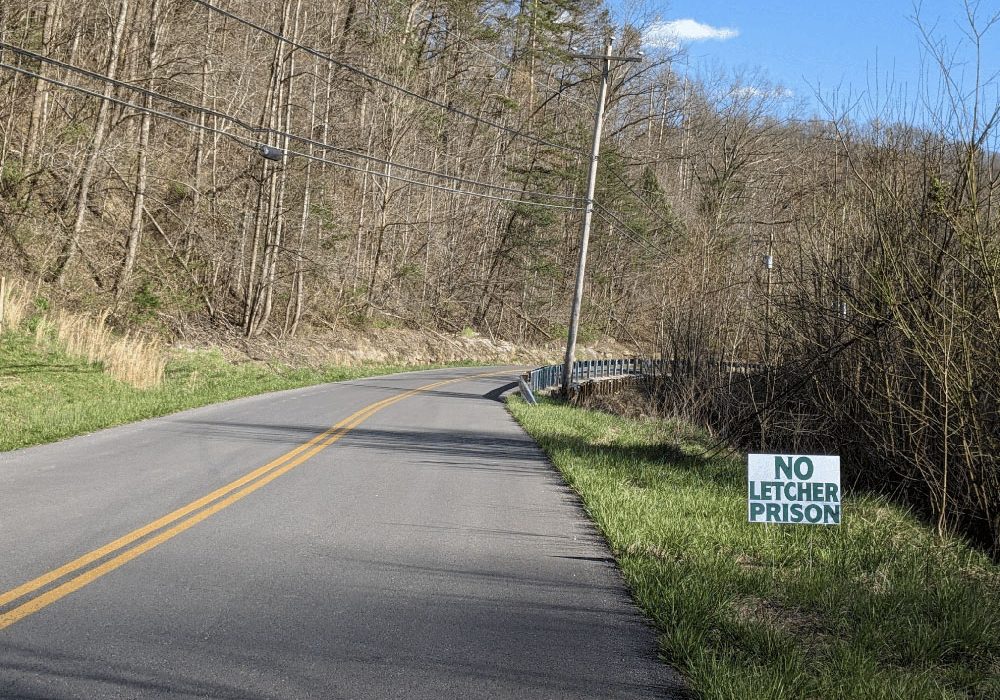
After 20 Years, Letcher County Prison Proposal Is Still Alive, Though Obstacles Remain
A $605 million proposal for a federal prison on a former strip mine site in Letcher County, Kentucky, championed by U.S. Rep. Hal Rogers, refuses to die, despite local opposition, a lack of support from the executive branch and numerous other obstacles.
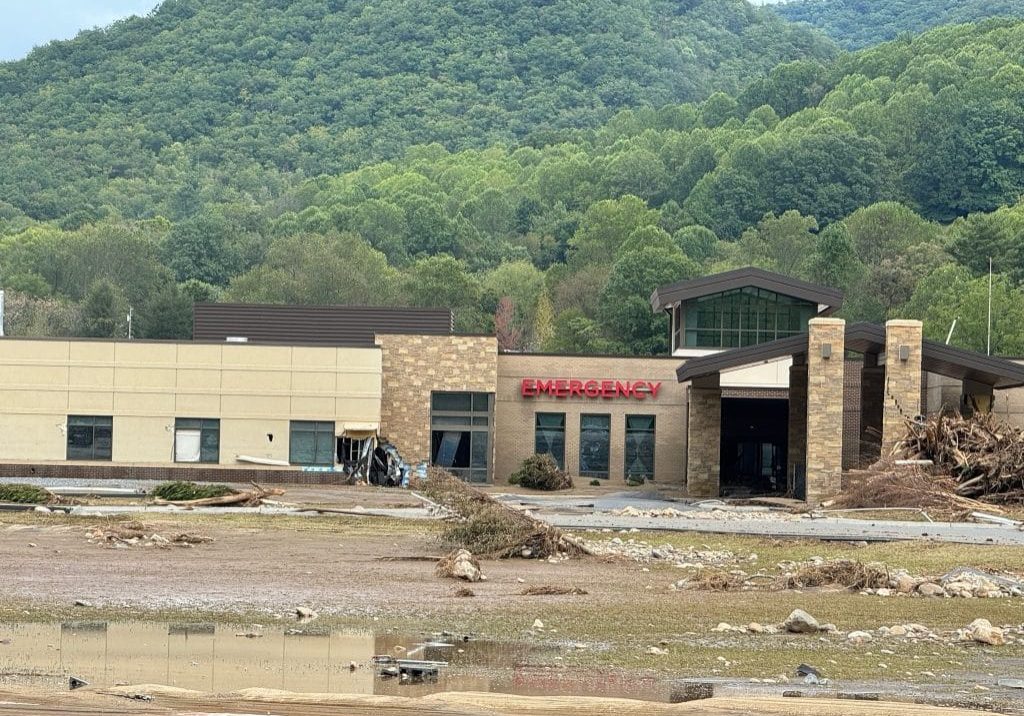
The Washout and Rebuild
For nearly two years, residents of Unicoi County, Tennessee, have had to make do without a hospital after Hurricane Helene destroyed the rural hospital. Ballad Health, which owns the hospital, broke ground on a new location — in another floodplain — in August 2026.
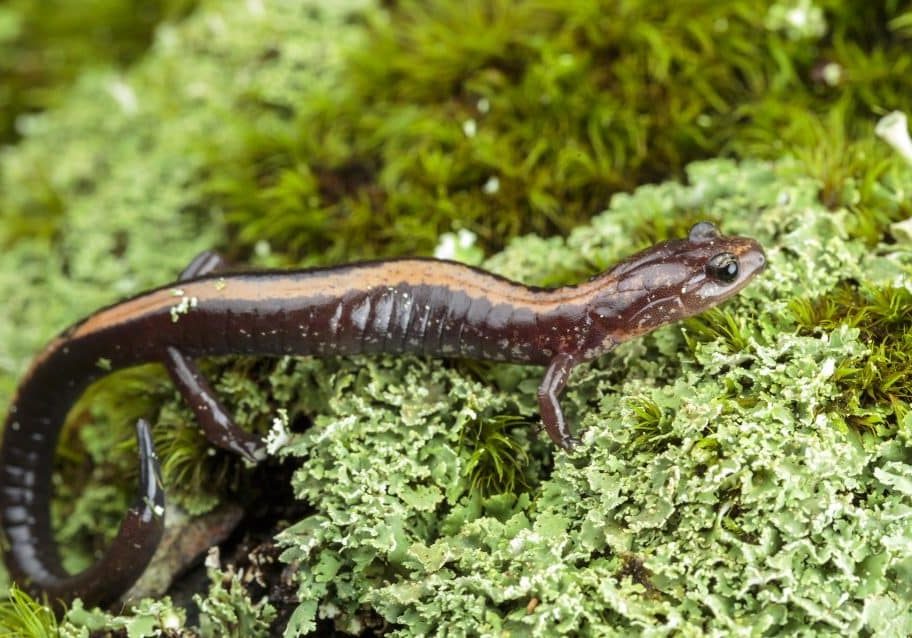
The Shenandoah Salamander
The Shenandoah salamander is a woodland salamander, which has adapted to life at higher elevations away from water. This sparkling rarity lives among the dry leaves, cracked logs, and stony hillocks on the highest peaks of Shenandoah National Park.

Leave a comment
Your email address will not be published. Required fields are marked *
Leave a Comment