
The Appalachian Voice
Turn This Town Around
A project to help re-energize small towns is encouraging community-led projects, like the brand-new West Virginia Mine Wars Museum!
Read MoreMountain Ingenuity
Citizens Advance Solutions to the Pressing Issues of Our Time Appalachia has its scars along with its beauty, its struggles along with its triumphs. But mountain people are resourceful, and across the region citizens are making strides toward a better tomorrow — one that builds on the strength of our past while sustaining healthy environments…
Read MoreClean Power Plan Comes with Options and Opportunities
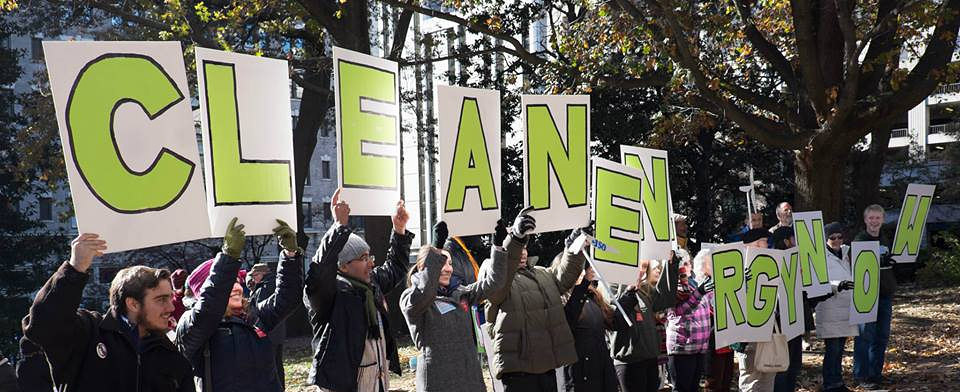
The federal Clean Power Plan is moving forward — and many states are moving forward with implementation plans — despite an unfriendly reception from many Appalachian politicians.
Read MoreA Burning Problem
Students on an Alternative Spring Break tackle the problem of illegal trash fires and their associated health risks.
Read MoreUnder Pressure: A Fractured Relationship with Natural Gas

Across the East, fracking for natural gas is advancing in starts and stops — as some states embrace the practice, another bans it, and still more consider the risks and potential rewards of entering the fracking fray.
Read MoreDigging Under the Surface: West Virginia’s Fracking Boom

Many West Virginia landowners agreed to sever the right to use their land from their rights to the minerals buried beneath the surface long before the onset of fracking technology. Today, fracking operators are using those old leases to bring industrial development to formerly secluded country homes, like the ridge above David Wentz’ house.
Read MorePipe Dreams: The push to expand natural gas infrastructure

Landowners whose property lies along a natural gas pipeline route worry about local impacts, while others warn of the long-term consequences that could come with a reliance on this fickle fuel.
Read MoreCitizen Scientists Tackle Climate Change

Across the region, volunteers from all walks of life are recording when the dogwood blooms and when the warblers arrive. These citizen scientists are compiling observations that help researchers monitor subtle changes in seasonal events, and provide the backbone for extensive projects to track climate change.
Read MoreState Legislative Updates
While lawmakers in Washington, D.C., might get most of the spotlight, the legislators in state capitols across the region are busy making — and blocking — laws that affect Appalachia’s land, air, water and people. Here’s the latest updates from state legislatures around the region
Read MoreElk Make Slow Return to Appalachia
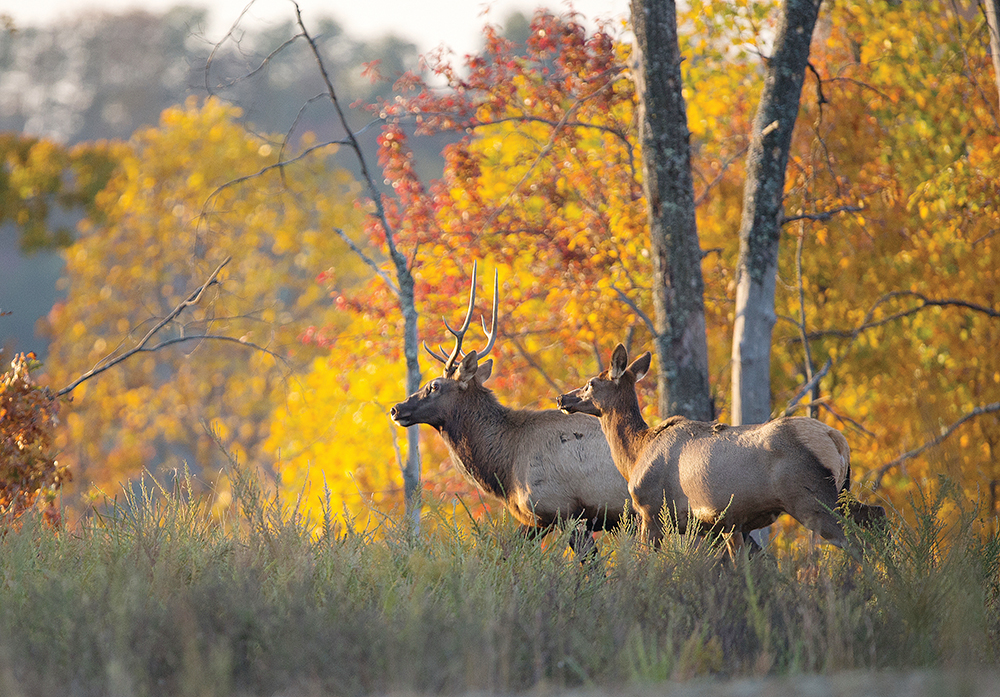
When European colonists arrived in the 1400s, Eastern elk were the most widespread hooved animal on the continent, but the subspecies was declared extinct by 1880. Today, however, another type of elk are slowly returning to Appalachia.
Read More