
Written by AV's Intern Team


AV's Intern Team
Every year, Appalachian Voices is fortunate to assemble a phenomenal team of rockstar interns from numerous Appalachian and East Coast universities. Enjoy these posts from our interns.
Fracking Waste Leaches into Pennsylvania Waterways
A Public Herald investigation found that Pennsylvania regulators have allowed 14 sewage treatment plants to leak radioactive fracking waste into 13 state waterways.
Mendota Rail-to-Trail Moves Forward
Organizers opened a 3.1-mile section of the planned 12.5-mile Mendota Trail in Bristol, Va., in August. The trail is slated to run along a former railway path from Bristol to Mendota, Va.
Conservation Grants Aim to Improve Cumberland Shortleaf Pine Forest
A series of grants and other funds totaling $2.6 million are slated for conservation work on more than 9,700 acres of shortleaf pine and riparian forest in Alabama, Kentucky and Tennessee.
New State Trail Designated in Western North Carolina
The Northern Peaks Trail was officially designated as a North Carolina state trail in July. Planners of the 40-mile trail from Boone to West Jefferson aim to focus on education and conservation.
Student Sustainability Program at Virginia Tech Receives Award
A Virginia Tech program that implements student-proposed green projects received an award for innovation in sustainability.

Say “no” to Mountain Valley Pipeline Southgate extension
The same company that has wracked up hundreds of water quality violations building the Mountain Valley Pipeline wants to extend the pipeline another 70 miles. A public comment period is open now.
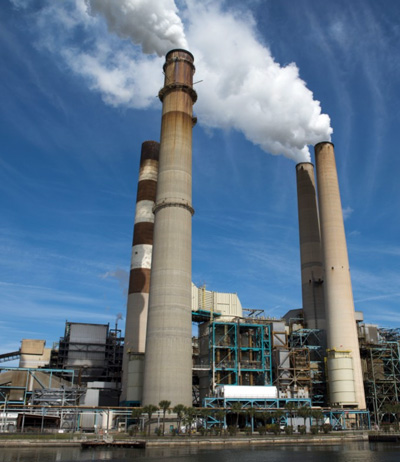
The Trump Administration’s Environmental Record
A partial summary of President Donald Trump’s and his administration’s established track record of reducing environmental protections.
Job Corps Sites to Remain Open
The Trump administration reversed its decision to privatize 16 federal job centers and close nine after public and political backlash.
Ohio River Protections Now Optional
In June, an interstate regulatory agency voted to replace mandatory water quality protections for the Ohio River with voluntary guidelines that states can choose whether or not to follow.