

Appalachia’s Job Corps centers will remain open, for now.
In late May, the Trump administration announced that 16 Job Corps centers run by the U.S. Forest Service would be privatized and nine — including four in Appalachia — would be shuttered.
On June 19, after public and political backlash, the administration reversed its decision. A federal spokesperson told Federal News Network that the U.S. Department of Agriculture and U.S. Department of Labor would conduct a review of Job Corps.
The threatened facilities, known as Civilian Conservation Centers, developed out of a partnership between the Forest Service and the Department of Labor. They specialize in teaching natural resource management skills to youth aged 16 to 24.
Historically, many Civilian Conservation Center students lack a high school degree and vocational qualifications. The centers offer coursework in health services, information technology and the construction trades, among other fields. Students may also earn a GED. The Flatwoods center in Coeburn, Va., recently began instructing students in solar energy equipment installation.
The Jobs Corps ranks Flatwoods sixth out of 125 total centers. Yet it was among the centers slated for closure along with those in Frenchburg, Ky., Pine Knot, Ky., and Oconaluftee, N.C. Each ranked in the top half of all Job Corps facilities for performance.
Previously, the Department of Labor needed to have a five-year dataset to measure the quality of a center when considering closure. It also had to consider the effect a closing would have on the geographic availability and socioeconomic diversity of Job Corps services. This is no longer the case under the new rules, which allow the agency to “propose a center for deactivation or repurposing” to further “broad reform and streamlining efforts.” — By Maxwell Johnson
Related Articles
Latest News
More Stories

Signs of Life
In the Nantahala National Forest, a team of biologists spotted Indiana bats, an endangered species that hasn’t been seen in North Carolina for the last 11 years.

‘First Line of Defense’
During Hurricane Helene and its aftermath, rural fire departments and other first responder hubs played critical roles in keeping their communities safe, even without power and cut off from outside support for days or weeks after the storm. Two years later, plenty of work remains to ensure these hubs have the resources they need to operate day to day and be ready when emergencies or natural disasters strike.

The Rocky Road — and Bridge — to Recovery
Hurricane Helene is estimated to have damaged nearly 7,000 private roads and bridges in Western North Carolina. Two years later, many restoration projects are complete, but the journey hasn’t been easy — and isn’t over for others.
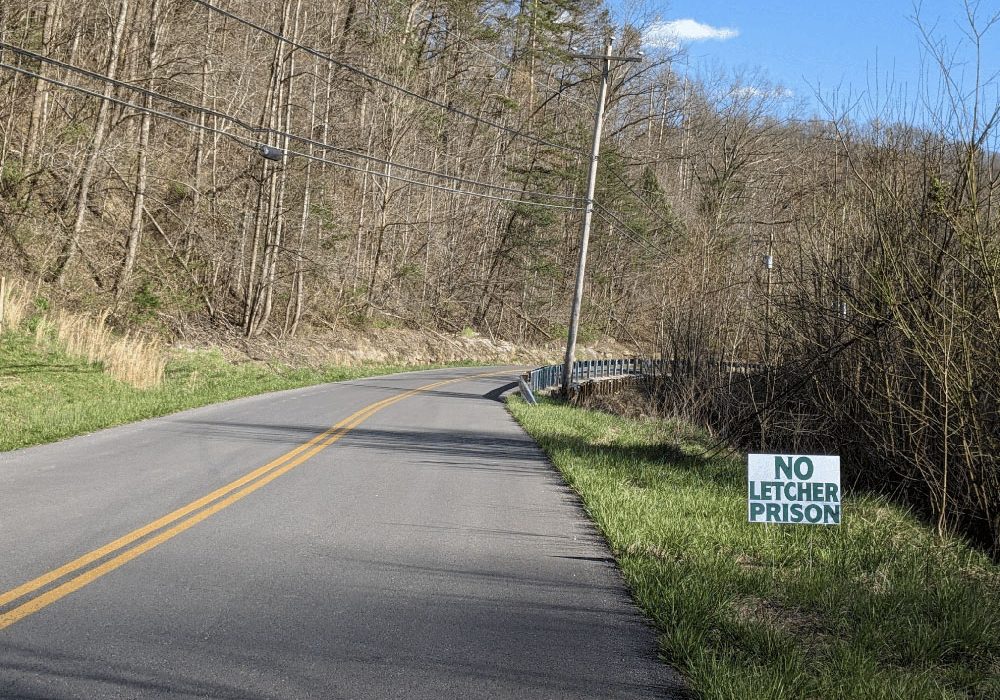
After 20 Years, Letcher County Prison Proposal Is Still Alive, Though Obstacles Remain
A $605 million proposal for a federal prison on a former strip mine site in Letcher County, Kentucky, championed by U.S. Rep. Hal Rogers, refuses to die, despite local opposition, a lack of support from the executive branch and numerous other obstacles.
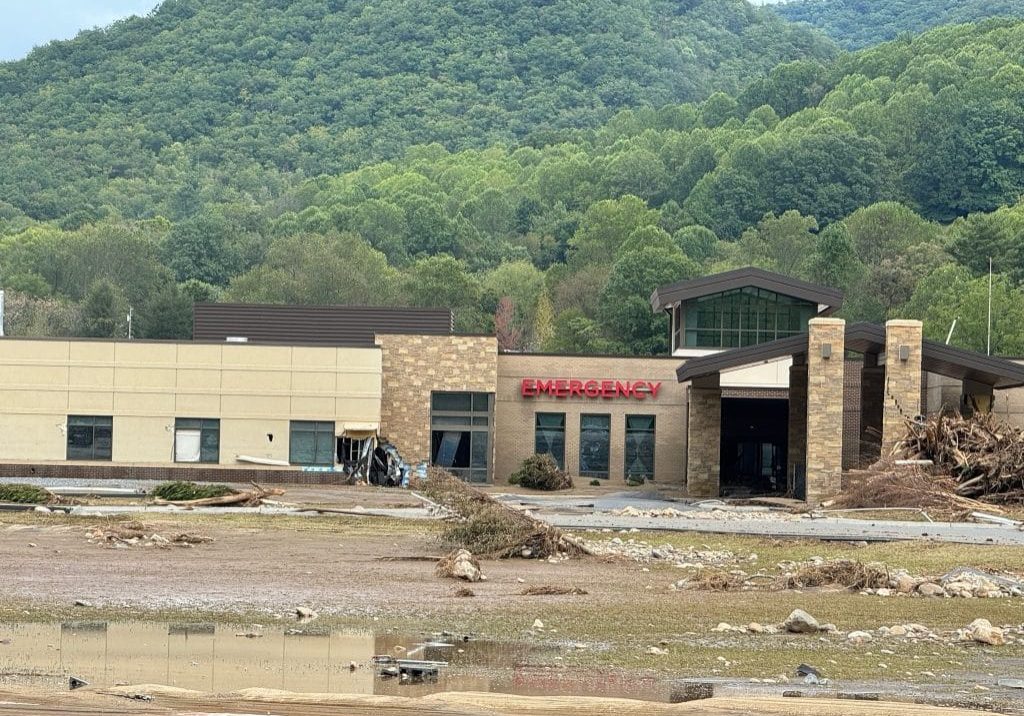
The Washout and Rebuild
For nearly two years, residents of Unicoi County, Tennessee, have had to make do without a hospital after Hurricane Helene destroyed the rural hospital. Ballad Health, which owns the hospital, broke ground on a new location — in another floodplain — in August 2026.

The Shenandoah Salamander
The Shenandoah salamander is a woodland salamander, which has adapted to life at higher elevations away from water. This sparkling rarity lives among the dry leaves, cracked logs, and stony hillocks on the highest peaks of Shenandoah National Park.

Leave a comment
Your email address will not be published. Required fields are marked *
Leave a Comment