Written by Chelsea Barnes


Chelsea Barnes
A committed advocate for clean energy policy, education and outreach, Chelsea is our Director of Government Affairs and Strategy based in our Norton, Va., office. When she is not advancing renewable energy, you can likely find her enjoying one of Southwest Virginia's many scenic trails.
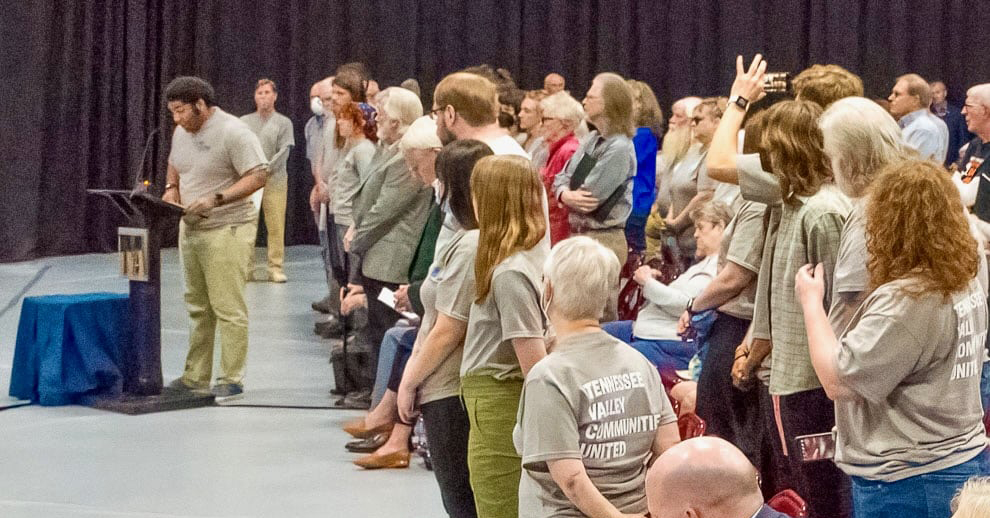
Trump nominees could sell TVA to the highest bidder
You may know the Tennessee Valley Authority as the largest federally owned electric utility. But its role is much broader than simply providing power in the Tennessee Valley.
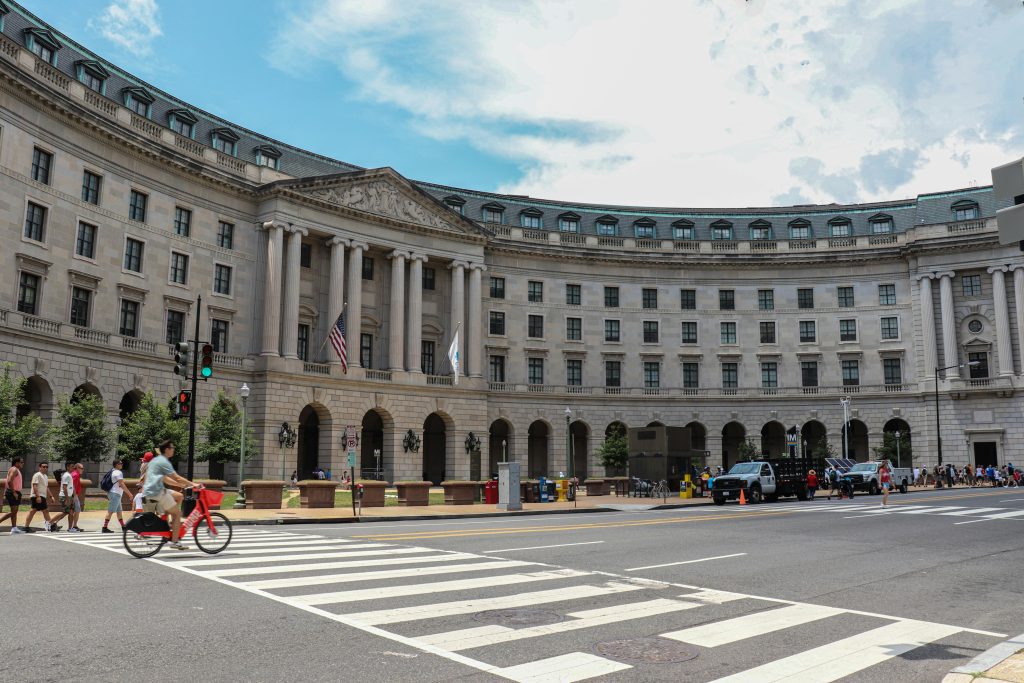
Part II: How the Trump plan for the federal budget hurts Appalachia
This is the second of two blogs highlighting some of the ways that the proposed budget would make Appalachians less safe and less financially secure, undercutting economic development and environmental remediation efforts.
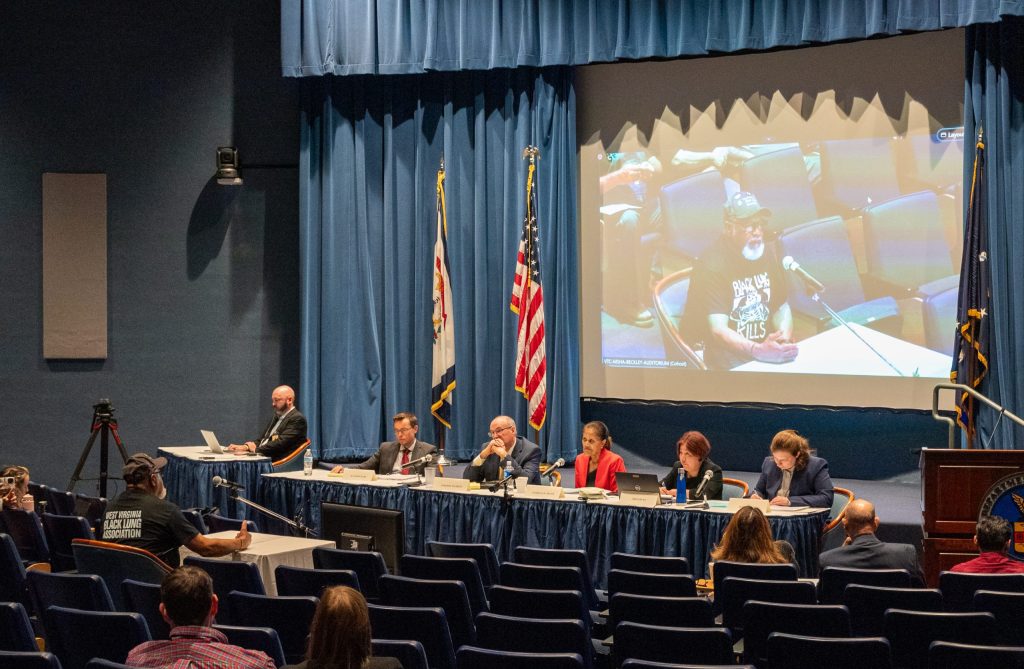
How the Trump plan for the federal budget hurts Appalachia
Late afternoon on Friday, May 30, President Donald Trump released his proposed fiscal year 2026 government funding budget, which includes steep cuts that would have serious consequences for Appalachians and people in coal communities across the country if enacted.
EPA announces rollback of decades’ worth of regulations
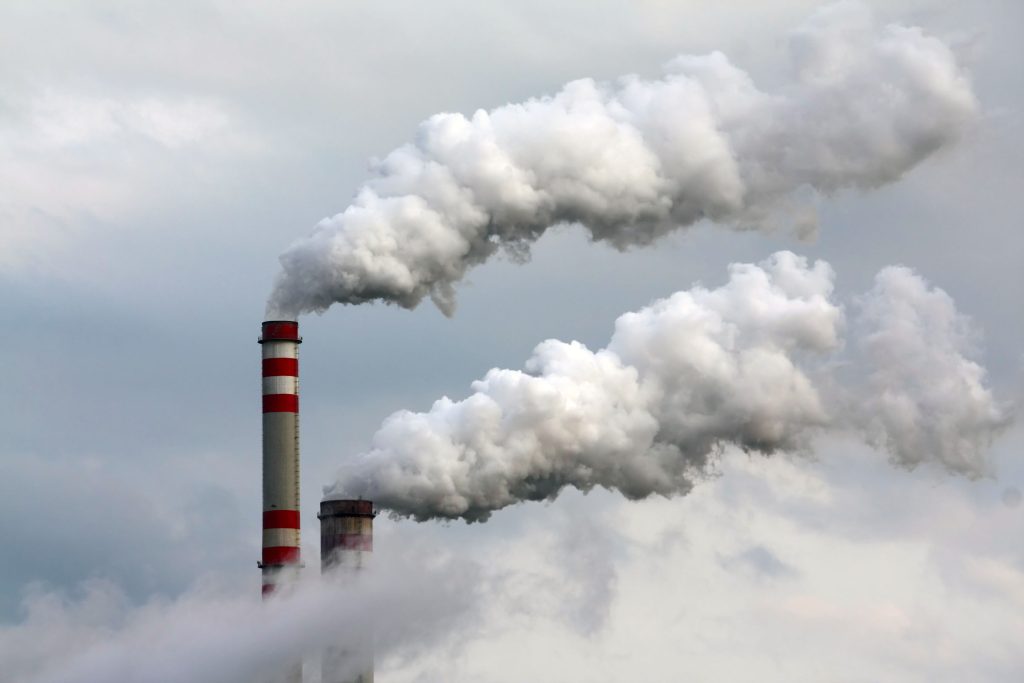
On March 12, the U.S. Environmental Protection Agency announced what it called the “biggest deregulatory action in U.S. history,” a rollback of dozens of important environmental health protections that will put communities across the nation at risk and let polluters go wild.
The importance of sustained investment in our Appalachian communities
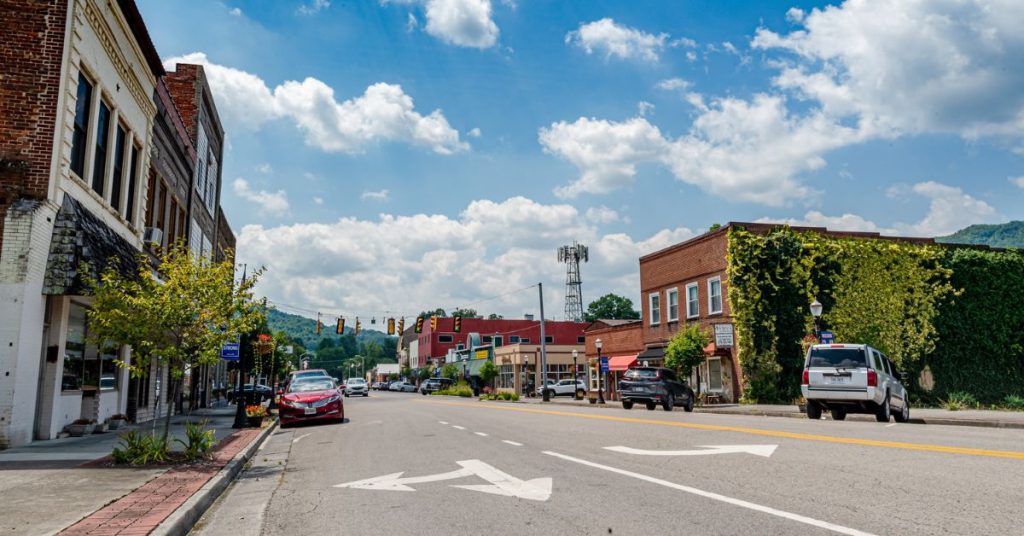
Appalachian communities have been putting funding from two major federal laws to good use, adopting more sustainable and resilient forms of energy. Read about how recent executive orders and proposals from Congress could impact these popular programs.

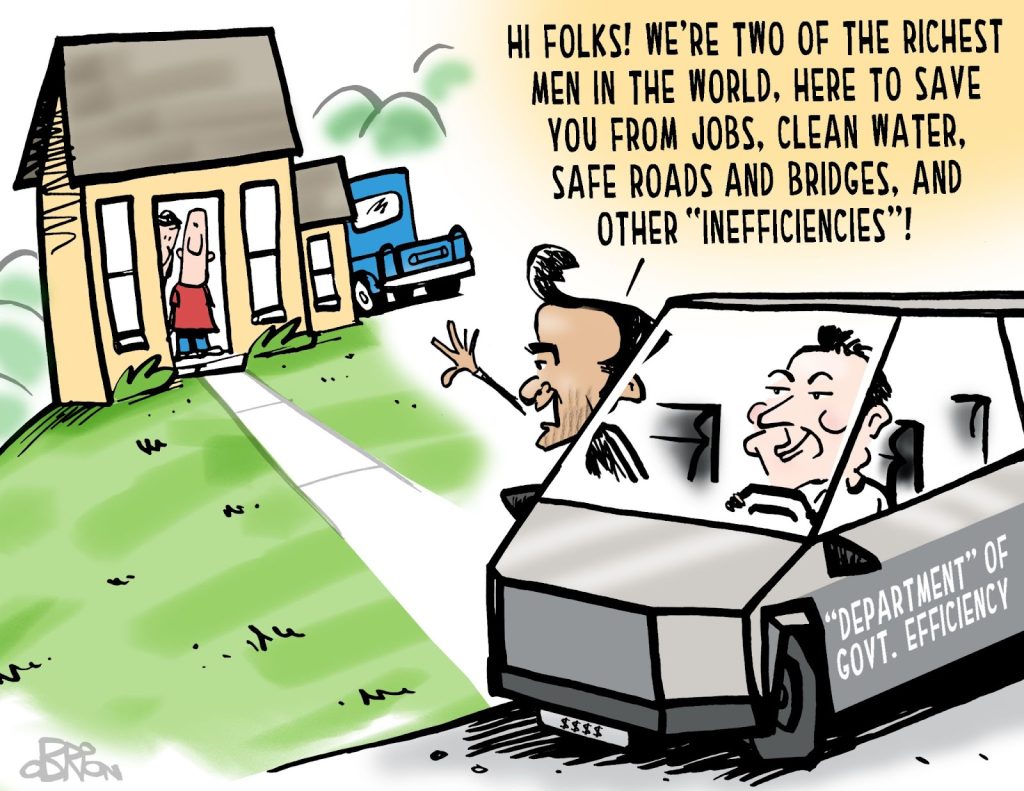
How the Department of Government Efficiency’s plans will harm Appalachian communities: Part 2
What the heck is impoundment and why should you care? Undoing of the Impoundment Control Act would lead to much less certainty when it comes to many programs that the people of Appalachia and people all over the country use for economic growth and stability, environmental protection and more.
How the Department of Government Efficiency’s plans will harm Appalachian communities: Part 1
The Department of Government Efficiency’s proposal to cut funding for “unauthorized” programs would mean the end of programs and agencies that directly benefit Appalachians.
A step forward for clean water protections, but threats remain
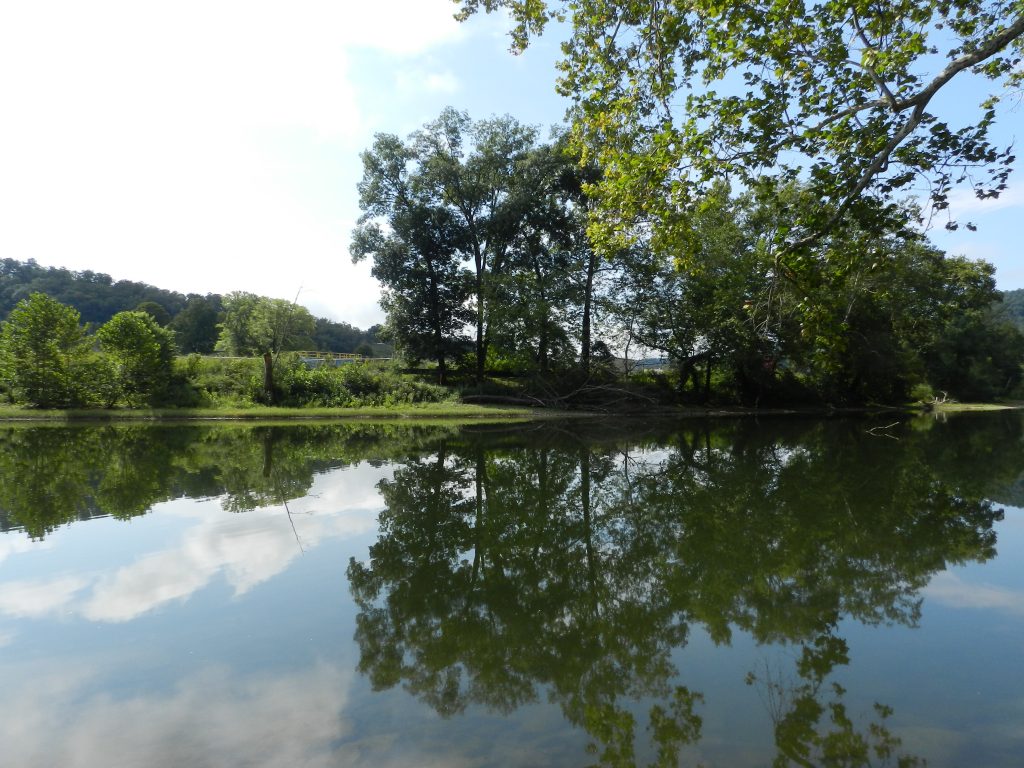
In September, the U.S. Environmental Protection Agency announced a new rule that restores certain protections for water under the Clean Water Act. The changes in the rule will give states and tribes more oversight over water protection within their boundaries.
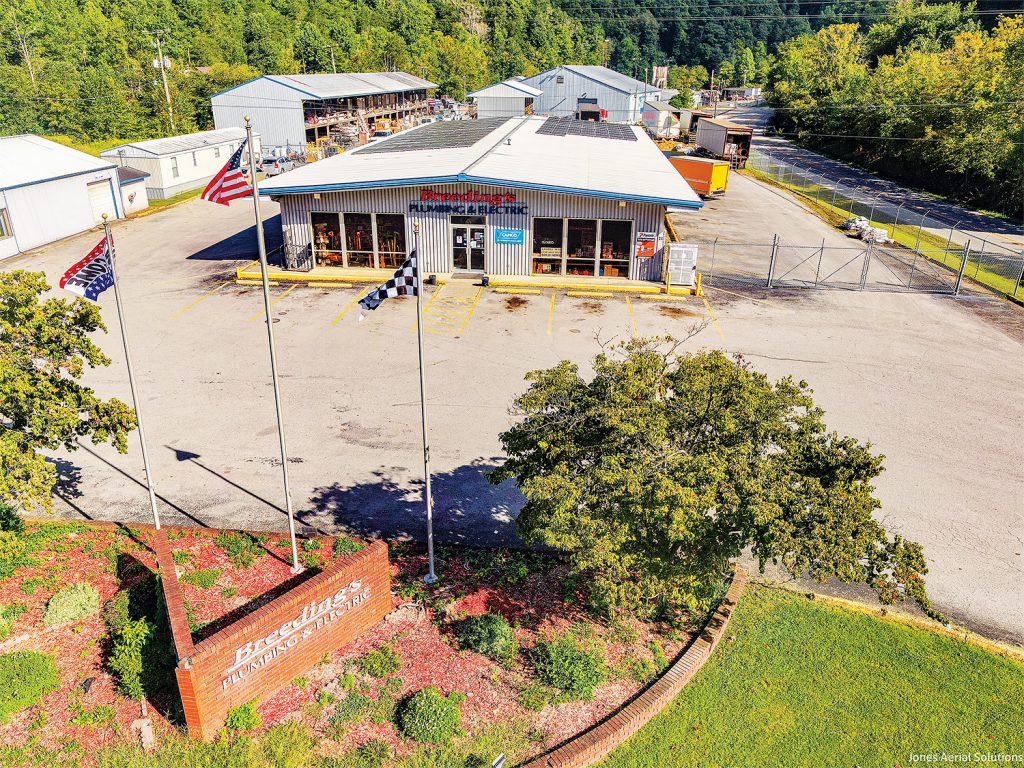
What the government spending fight means for Appalachia
Leaders in the Senate and the House need to come together to negotiate a final deal in order to keep the government funded. Appalachian Voices will keep fighting to fund these crucial programs and agencies to help protect coal mining communities and transition to clean energy.
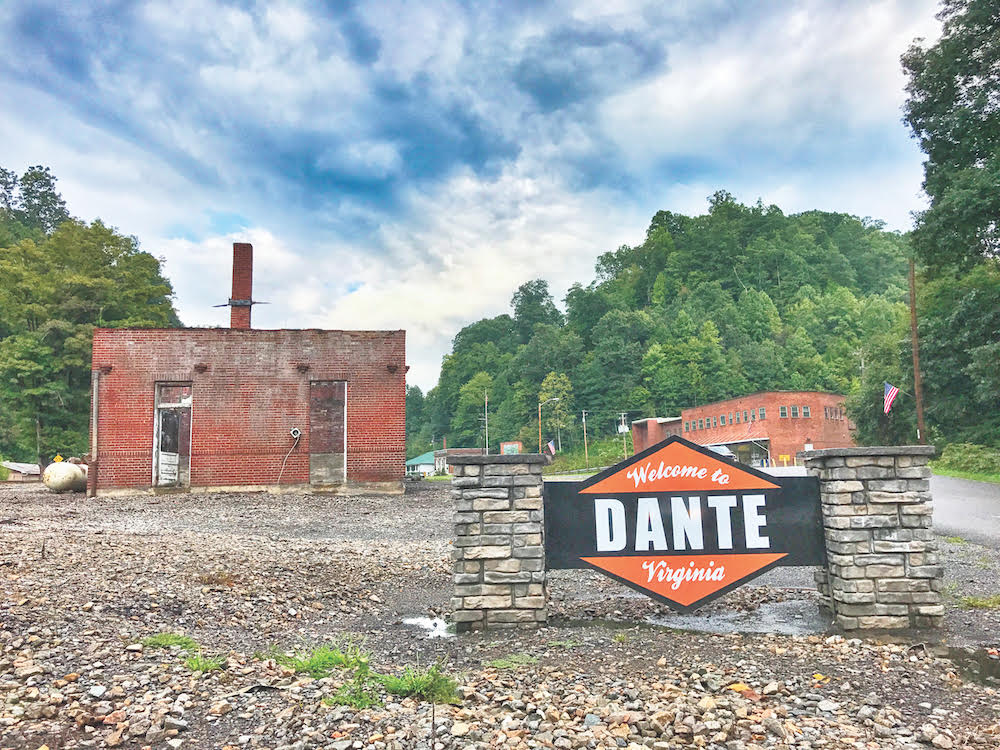
Mining agency encourages more, better stakeholder engagement for coal-impacted communities
For years, the Abandoned Mine Land Economic Revitalization program has been one of the only federal grant programs targeted at revitalizing coal mining communities. It’s now being funded at its highest level to date and is getting a spruce-up from the federal agency that administers it.