

Hidden Treasures #3 — Appalachian Blueways
Welcome to the third installment of our exploration of some of the most beautiful, off-the-beaten-path places in the Central and Southern Appalachian Mountains. In this issue, we hand picked some water-related hot spots perfect for late summer days: hikes, waterfalls, swimming holes and everything in between — areas that are perfect for dipping your toes, or your whole self, into the water.
Conservation on Paddle Trails
By Anna Norwood
Imagine floating down a river, soaking up the beauty of your surroundings while the only sounds you hear are birds chirping and the splash of your paddle. The Appalachian Mountains are decorated with a multitude of rivers, and exploring them by canoe or kayak can range from a peaceful to an exhilarating experience.

The French Broad Paddle Trail. Photo by Tom Taylor, randomconnections.com
The age-old concept of water travel and navigation has evolved into an ecological education tool, a paddle trails that encourage people to experience a river while learning to protect and appreciate it.
A paddle trail, or “blueway,” consists of multiple launch points, camping locations and points of interest for canoeists, paddle boarders and kayakers. These trails can be everything a hiking trail can be, short or long, historic or scenic, challenging or laid-back. These perfect prospects for paddle trails are the reason various blueways are scattered throughout Appalachia.
The French Broad Paddle Trail
In June, a nine-day grand opening float was held on the French Broad River, where participants paddled the entire length of the trail in North Carolina, camping at the seven new campsites along the way. Close to 30 people joined French Broad Riverkeeper Hartwell Carson on the trip.
The Western North Carolina Alliance and RiverLink, a non-profit devoted to the economic and environmental revitalization of the French Broad River, worked hard to create this paddle trail, spanning more than 120 miles of the river. The French Broad River runs through Asheville, N.C. and popular tourist destinations such as the Biltmore Estate and Pisgah National Forest.
Carson paddled the entire French Broad with a small group a number of years ago and it sparked an interest in others who wanted to paddle and camp along the way. At the time, there was no public camping along the river but Hartwell began daydreaming about the idea.
Now that idea has become reality. Carson envisions that when “folks start paddling the river, they will become more interested in seeing it protected.”
The first part of the French Broad trail is simple, with no real rapids or obstacles, a more family-friendly section of the river. The second part has some class II rapids, a few class III and one section is a class III or IV and attracts more skilled kayakers.
This trail will bring economic benefits as well as positive environmental impacts. WNCA reports that a 2001 economic impact study of eastern North Carolina indicated the Coastal Plain water trail system produced a significant $103.9 million for the local economy.
“One thing I like about it is that it’s a great overnight recreation option within minutes of Asheville,” Carson says.
“I like it from the local’s perspective too though, having this amenity in the backyard.”
If you’re interested in paddling the French Broad, visit: wnca.org/paddle
The Etowah River Trail
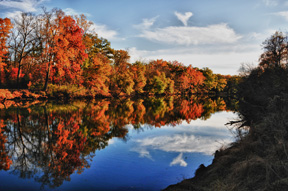
Photo by Gail Des Jardin
The Etowah River in northern Georgia is considered one of the country’s most biologically diverse river systems. The idea for the Etowah River Trail came from a group of students at the University of Georgia who wanted to create a blueway with multiple launch points, camping locations and points of interest for canoeists, paddle boarders and kayakers.
They took the idea to Matthew Pate, the manager of the Outdoor Division of Forsyth County Parks and Recreation, who has a passion for paddling. He researched the idea and, recognizing the growing trend, thought, “Why don’t we try that?”
Following Pate’s initiative, Forsyth and Cherokee counties as well as the city of Canton are working with Coosa River Basin Initiative, the Upper Etowah River Alliance and Mountain Stewards to build the trail. Forsyth, the county with the smallest portion of the river trail, purchased property adjoining the trail in 2008, and is planning a 226-acre park along the river that will accommodate campers and paddlers on overnight trips. In total, there are 40-plus nautical miles of river and the trail will eventually have seven- to ten-mile stretches of public launch access.
Pate explains that one of the key components of this blueway is using the Etowah as an educational opportunity as well as a recreational one.
“The more people are outdoors, the more they appreciate it. Having something like this helps us take out groups, educate them about litter, about trees that are down, even about substances leaking from people’s property.” The idea, Pate says, is to “educate the public in being good stewards.”
The troubled economy slowed construction on the Etowah River Trail in 2009, but it has recently picked back up and organizers hope the trail will be complete in the next year.
For more information about the Etowah River Trail, visit etowahriver.org.
Related Articles
Latest News
More Stories
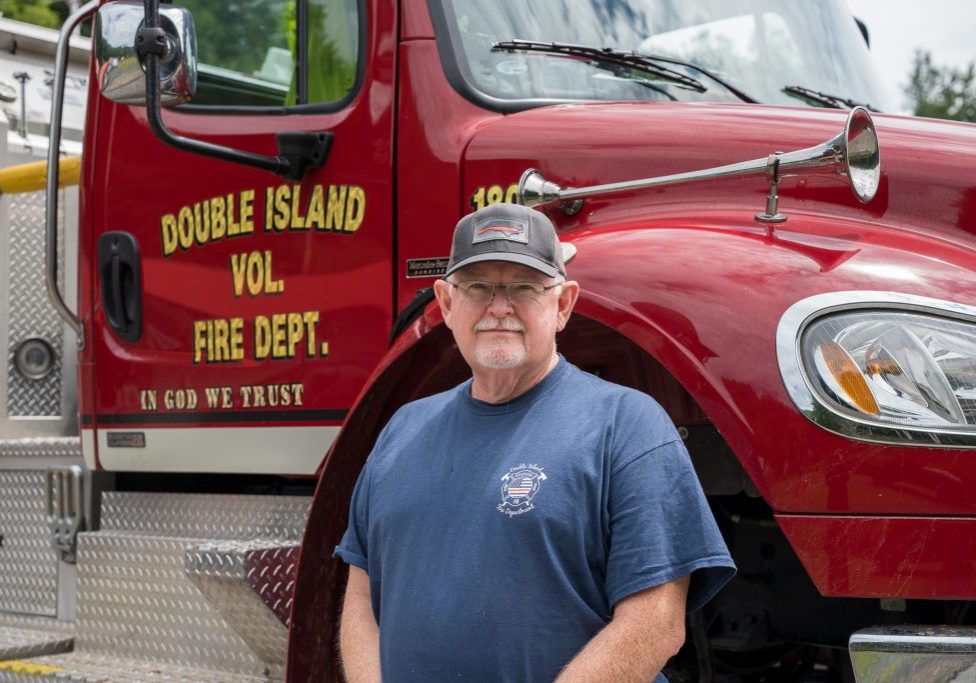
‘First Line of Defense’
During Hurricane Helene and its aftermath, rural fire departments and other first responder hubs played critical roles in keeping their communities safe, even without power and cut off from outside support for days or weeks after the storm. Two years later, plenty of work remains to ensure these hubs have the resources they need to operate day to day and be ready when emergencies or natural disasters strike.
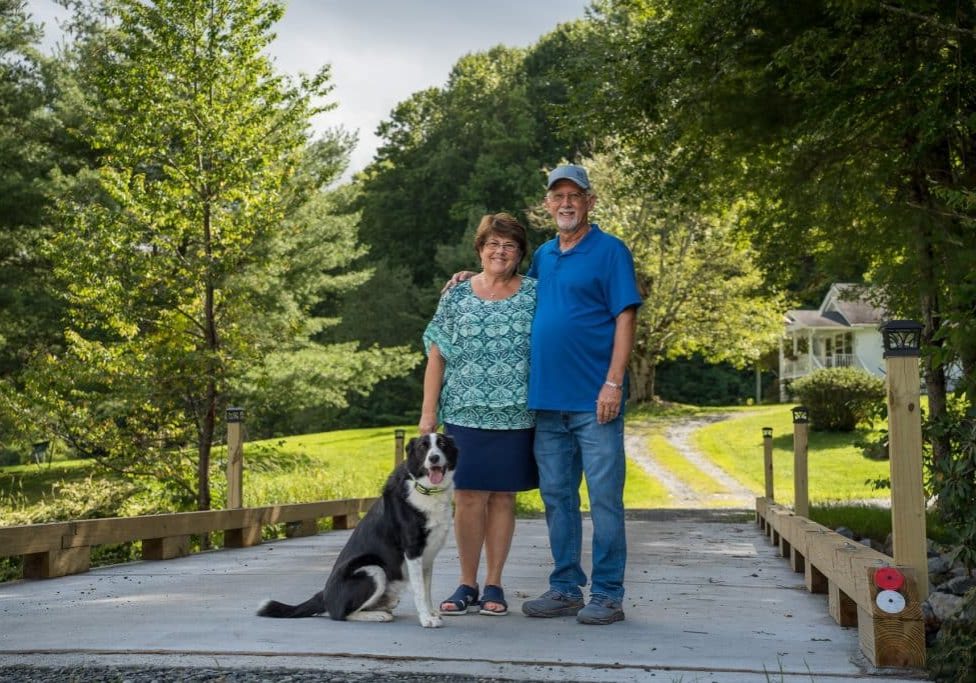
The Rocky Road — and Bridge — to Recovery
Hurricane Helene is estimated to have damaged nearly 7,000 private roads and bridges in Western North Carolina. Two years later, many restoration projects are complete, but the journey hasn’t been easy — and isn’t over for others.
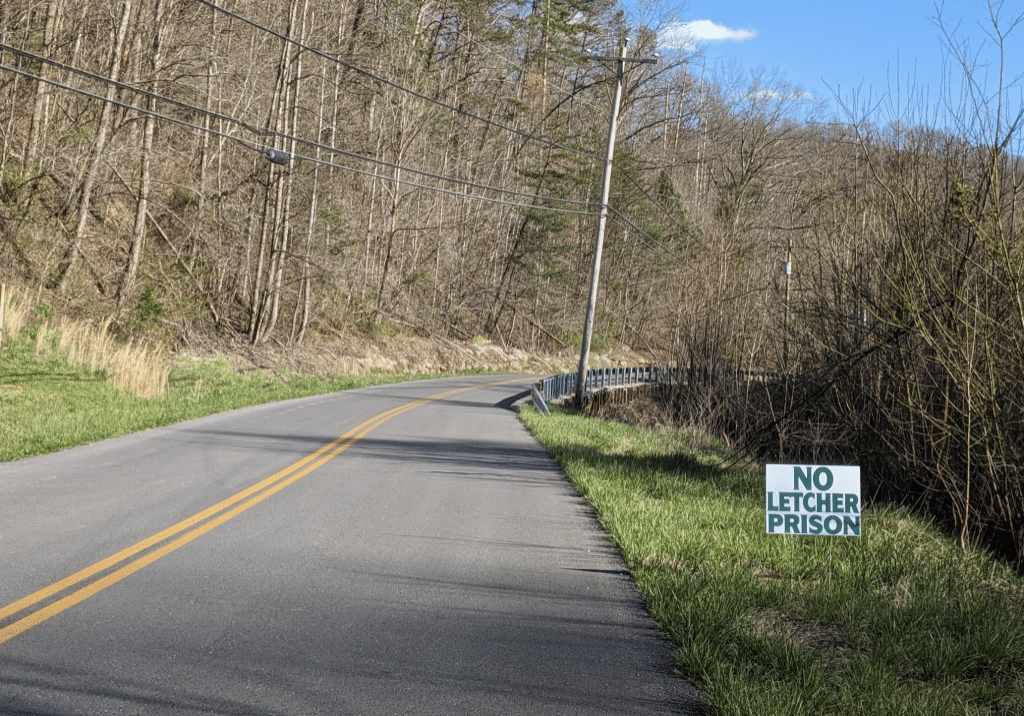
After 20 Years, Letcher County Prison Proposal Is Still Alive, Though Obstacles Remain
A $605 million proposal for a federal prison on a former strip mine site in Letcher County, Kentucky, championed by U.S. Rep. Hal Rogers, refuses to die, despite local opposition, a lack of support from the executive branch and numerous other obstacles.
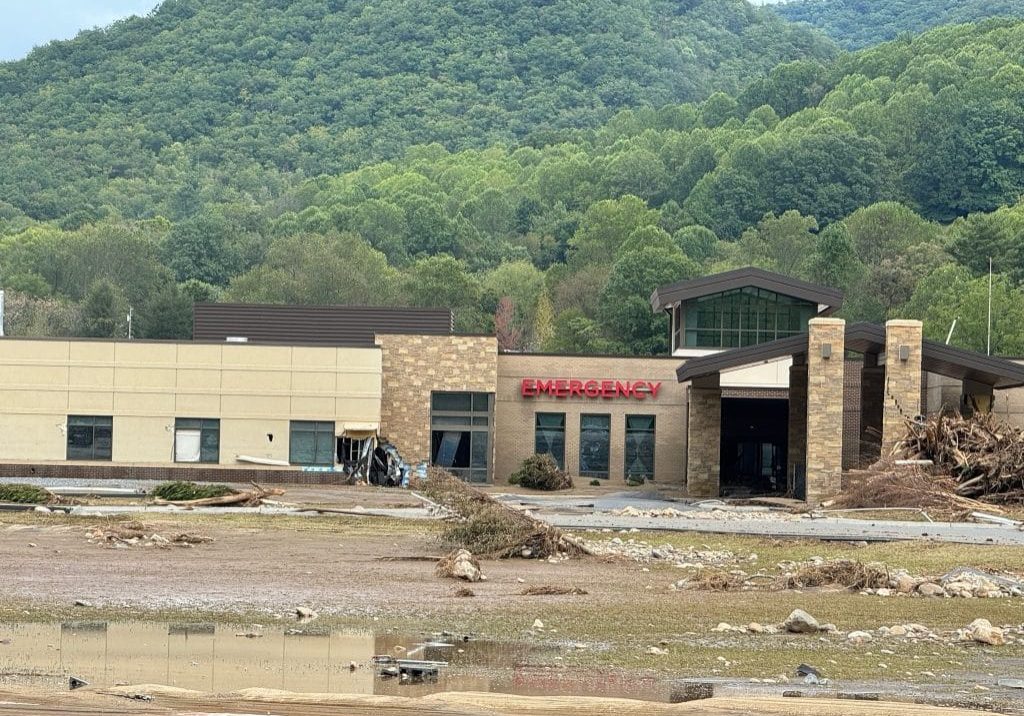
The Washout and Rebuild
For nearly two years, residents of Unicoi County, Tennessee, have had to make do without a hospital after Hurricane Helene destroyed the rural hospital. Ballad Health, which owns the hospital, broke ground on a new location — in another floodplain — in August 2026.

The Shenandoah Salamander
The Shenandoah salamander is a woodland salamander, which has adapted to life at higher elevations away from water. This sparkling rarity lives among the dry leaves, cracked logs, and stony hillocks on the highest peaks of Shenandoah National Park.
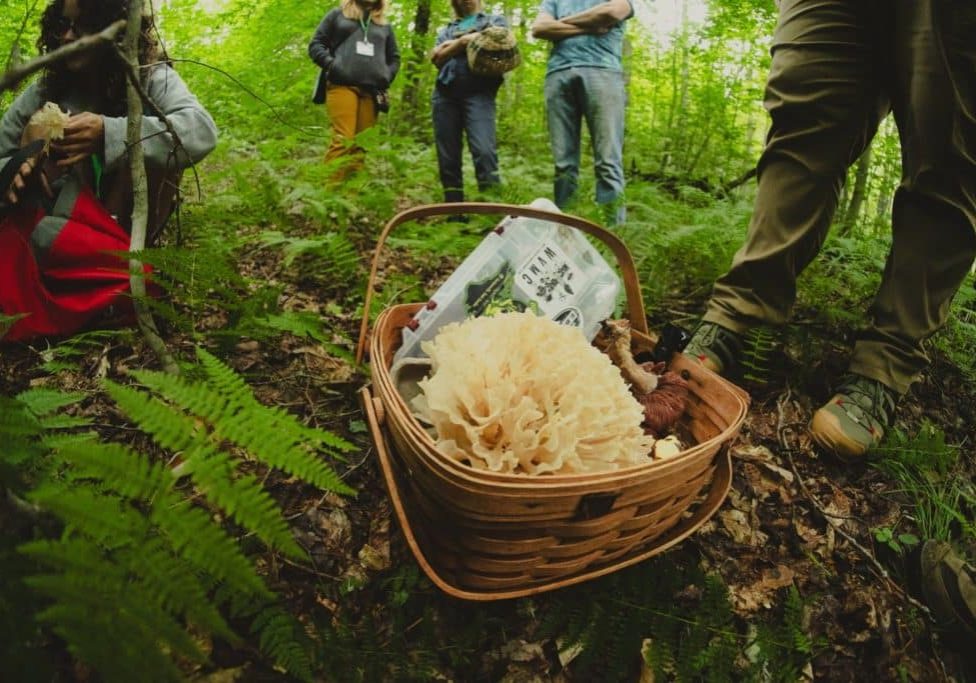
‘Foraging Is a Way of Connecting’
Foraging has experienced a modern resurgence, partly because of social media, online groups, the pandemic and people wanting to connect with nature. It also builds community, whether in person or online.

Leave a comment
Your email address will not be published. Required fields are marked *
Leave a Comment